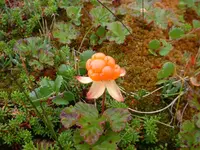
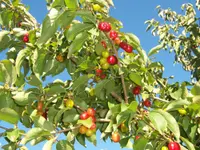
Rubus scaber Care

Rubus scaber

About Rubus scaber

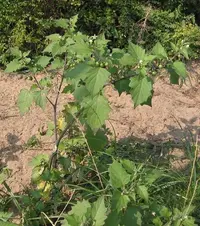
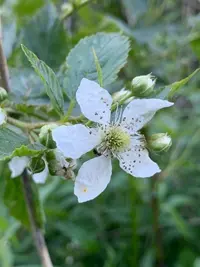
Rubus scaber is a wild bramble species in the rose family, related to raspberries and blackberries. It typically forms arching, prickly canes with compound leaves. The plant usually occurs in forest edges, clearings, and scrubby slopes, often in cool or temperate regions. It produces small white flowers followed by aggregate fruits that resemble other Rubus berries. Growth is often vigorous and spreading, so it can be somewhat invasive in suitable habitats. It is generally hardy and tolerant of poor soils, which makes it easy to maintain once established. Understanding how to care for Rubus scaber starts with providing sun to partial shade and reasonably moist, well-drained soil.

Main Plant Requirements

Care Difficulty

Moderate Care

Light Preference

Partial Sun

Water Requirements

Moderate Water

Temperature Preference

Cool Climate

Hardiness Zone

7–10

Soil Texture

Loamy, Sandy, Organic-rich

Soil pH

Acidic (5.5–6.5), Slightly acidic (6.5–7.0)

Soil Drainage

Moist but well-drained

Fertilization

Minimal (feed rarely)

Get Personalized Care Plan

Scan your plant to receive care tips personalized for your specific plant

Available on iOS and Android

How to Care for the Rubus scaber

This species performs best in open, bright conditions typical of hedgerows or woodland edges.

  • Provide 6–8 hours of direct sun daily, ideally with morning sun and light afternoon shade in hotter regions to reduce leaf scorch risk.
  • Tolerates partial shade (about 3–4 hours of direct sun) but flowering and fruiting of Rubus scaber decrease as shade increases.
  • In summer, protect young plants from intense mid-afternoon sun with neighboring vegetation; in cooler months, remove shading where possible to maximize light exposure.

Watering should aim for consistently moist but never waterlogged soil.

  • Allow the top 3–5 cm of soil to dry slightly between waterings, then water deeply so moisture reaches the root zone rather than just the surface.
  • Use well-drained, loamy soil or raised rows so excess water can escape; prolonged puddling or sour, swampy smell indicates poor drainage and overwatering risk.
  • In cool, rainy seasons, reduce supplemental watering and monitor for soft, yellowing leaves, while in hot, dry weather, watch for wilting or dull, folding leaves as signs to water.

This bramble prefers cool to mild climates and tolerates winter cold once established.

  • Optimal active growth occurs around 60–75°F (16–24°C), with strong cane and leaf development in spring and early summer under these conditions.
  • Mature plants usually tolerate down to about 5–10°F (-15 to -12°C) with adequate soil moisture and mulch; young canes benefit from 5–8 cm of organic mulch for extra insulation.
  • In hot spells above 85–90°F (29–32°C), growth slows and leaves may scorch, so maintain soil moisture and provide some afternoon shade to limit stress.

This species is mainly grown outdoors and humidity is rarely limiting under typical garden conditions.

Rubus scaber prefers moist, well‑structured, free‑draining soil that still holds organic matter.

  • Use a loamy soil rich in organic material such as compost or well‑rotted manure to support strong cane growth.
  • Aim for a slightly acidic to neutral pH around 6.0–7.0, avoiding strongly alkaline conditions that reduce nutrient availability.
  • Improve drainage and aeration by incorporating coarse sand or fine gravel into heavier clay sites before planting.
  • Avoid compacted, waterlogged, or very shallow soils, as these increase root disease risk and weaken Rubus scaber over time.

This species can be grown in containers if the pot is large and stable enough for its vigorous root and cane system.

  • Choose a deep, heavy container that resists tipping when canes grow tall or lean on supports.
  • Use a coarse, free‑draining mix, such as garden loam with compost and 20–30% grit or bark, to prevent waterlogging at the base.
  • Position the container where runoff can drain freely so excess water does not pool around the pot and saturate the lower root zone.

This shrub usually needs little feeding in fertile garden soil, but light fertilization supports fruitful, healthy canes.

  • Apply a thin layer of well-rotted compost around plants in early spring to boost soil organic matter.
  • Use a balanced granular or slow-release fertilizer (around 10-10-10) at low label rates once in spring.
  • In poor soils, repeat a light feeding in midsummer if growth and fruiting of Rubus scaber appear weak.
  • Avoid fertilizing in late fall or winter to prevent soft, frost-sensitive growth.

Pruning keeps Rubus scaber productive, manageable, and better lit inside the thicket.

  • Carry out main pruning in late winter or very early spring before buds break.
  • Remove dead, diseased, or damaged canes at ground level using clean, sharp bypass pruners or loppers.
  • Thin crowded or crossing stems to improve air flow and reduce fungal disease risk.
  • Shorten overly long canes to control spread and direct energy into stronger flowering and fruiting canes.

This species is usually grown in the ground, so focus on careful transplanting rather than frequent repotting.

  • Plan transplanting for late fall or early spring, when soil is workable and plants are dormant or just emerging.
  • Move plants when growth slows, canes are congested, or clumps outgrow their allocated space.
  • Lift with a generous root ball, disturb roots as little as possible, and replant at the same depth in prepared soil.
  • Water thoroughly after transplanting, then keep soil evenly moist and shaded for 1–2 weeks to reduce root stress.

Rubus scaber is commonly propagated vegetatively to maintain desirable traits.

  • Use tip layering in late summer by pegging a flexible cane tip into moist soil until roots form.
  • Divide established clumps in early spring, replanting vigorous rooted sections immediately.
  • Take semi-ripe stem cuttings in late spring to early summer and root in a moist, free-draining mix under high humidity.
  • Sow cleaned seed in fall or after cold stratification, as many Rubus seeds need chilling to break dormancy.

This bramble is generally cold hardy in temperate climates and needs only modest winter care in the ground.

  • Tolerates typical frosts once established, though very young plants benefit from extra protection.
  • Apply a 5–8 cm mulch layer around the root zone in late fall, keeping it slightly away from canes.
  • In very cold areas, bend and loosely tie canes closer to the ground, then mulch lightly over them for insulation.
  • Container-grown plants in colder regions can be moved into an unheated garage or sheltered porch to prevent root freezing.

Care Tips

Install sturdy support

Set up a strong trellis, wire fence, or strained wires before planting, then tie in new canes loosely as they grow so the arching stems stay upright, well-aired, and easier to harvest and prune.

Rotate fruiting canes

Mark 1st-year canes with colored ties and remove the older, fruited canes at ground level after harvest so light and nutrients go to young, productive growth each season.

Mulch for cane stability

Apply a 5–8 cm layer of coarse organic mulch around, but not touching, the crown to stabilize soil moisture, reduce weed competition, and protect shallow feeder roots from mechanical damage during maintenance.

Prevent cane diseases

Disinfect pruning tools between plants, avoid cutting in wet weather, and always prune out weak or spotted canes well below visible damage to reduce the spread of cane blights and other fungal problems when caring for Rubus scaber.

Manage suckers smartly

Allow only a limited number of strong shoots per plant and promptly remove unwanted suckers by cutting them just below soil level, keeping rows narrow, productive, and easier to net and harvest.

Common Pests and Diseases

Raspberry leaf spot

This disease causes small, round, tan to gray spots on leaves that can merge, leading to yellowing and premature leaf drop. Symptoms include thinning foliage and reduced cane vigor, especially in dense, moist plantings.

Solution

Prune to open the canopy and improve airflow, avoid overhead watering, and remove and destroy heavily spotted leaves and old canes at season’s end. Where the problem is recurrent, apply a labeled copper or chlorothalonil fungicide at early leaf emergence and repeat as directed, forming part of broader Rubus scaber care instructions focused on sanitation and spacing.

Cane blight

This disease produces sunken, dark lesions on canes, often developing at pruning wounds, with canes wilting or dying back above the affected area. Symptoms include poor shoot growth and reduced fruiting on affected canes.

Solution

Cut out and destroy blighted canes, making pruning cuts well below visible lesions and during dry weather, and disinfect tools between plants. Avoid injuring canes, keep plantings well spaced, and if needed use a registered fungicide timed to pruning or early shoot growth to protect fresh wounds.

Raspberry aphids

These insects cluster on young shoots and the undersides of leaves, sucking sap and causing leaf curling, distortion, and sticky honeydew that can attract sooty mold. This pest can also transmit virus diseases between plants.

Solution

Spray shoots thoroughly with a strong stream of water to dislodge colonies, and encourage natural predators such as lady beetles by avoiding broad-spectrum insecticides. For heavier infestations, use insecticidal soap or a horticultural oil, coating the undersides of leaves and repeating as needed according to label directions.

Two-spotted spider mites

These pests feed on the underside of leaves, causing fine stippling, a dull grayish appearance, and, in severe cases, webbing between leaves and shoots. Symptoms include leaf bronzing and reduced plant vigor during hot, dry weather.

Solution

Increase humidity around plants and rinse foliage with water to remove mites and webbing, focusing on leaf undersides. If populations remain high, apply insecticidal soap or a light horticultural oil, making 2–3 applications at 5–7 day intervals while monitoring for beneficial mites.

Botrytis fruit rot

This disease causes soft, watery berries that quickly develop gray, fuzzy mold, especially in cool, wet weather and dense plantings. Symptoms include clusters of rotting fruits and reduced usable harvest.

Solution

Improve air circulation by proper spacing and regular pruning, keep fruit off wet soil with mulches, and avoid overhead irrigation during flowering and fruiting. Promptly remove and discard infected berries and old fruiting trusses, and in high-pressure situations use a labeled Botrytis fungicide rotated between active ingredients to limit resistance.

Interesting Facts

New Zealand endemic bramble

Rubus scaber is a bramble species native to New Zealand, naturally occurring in lowland to montane forests and scrub rather than being widely distributed across multiple continents like many other Rubus species.

Distinctively harsh prickles

This species is named for its rough, scabrid stems, which bear firm, often hooked prickles that help it scramble over surrounding vegetation and deter many browsing animals.

Variable leaf texture

Leaves of Rubus scaber often show a noticeable contrast between the upper and lower surfaces, with a rougher, more textured underside that can trap moisture and fine debris in its forest habitats.

FAQs about Rubus scaber

This species spreads by arching canes and sometimes by suckers from the root system. In good conditions it can form dense thickets, so edging, regular pruning, and removing unwanted shoots help keep it within bounds.

Grow Healthy Plants with Botan Care

Keep your plants happy and healthy with plant identification, disease detection, and easy care guidance.

Botan plant care app — identify plants on mobile

Explore More Plants