shrubby Indian mallow Care (Abutilon abutiloides)

shrubby Indian mallow

About shrubby Indian mallow

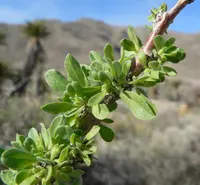
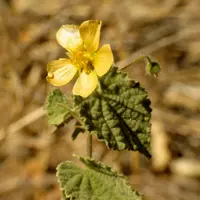
Shrubby Indian mallow (Abutilon abutiloides) is a soft-woody shrub from arid and semi-arid regions of Africa. It often grows in rocky or disturbed habitats in full sun. The plant forms a loose, branching shrub with velvety, gray-green leaves and nodding, bell-shaped yellow to orange flowers that attract pollinators. It can look somewhat untidy if not pruned, but this informal habit suits naturalistic or wildlife-friendly plantings. Abutilon abutiloides is generally forgiving, as long as it has good drainage and is not overwatered. Those learning how to care for shrubby Indian mallow should focus on bright light, free-draining soil, and protection from prolonged frost.

Main Plant Requirements

Care Difficulty

Moderate Care

Light Preference

Full Sun

Water Requirements

Moderate Water

Temperature Preference

Warm Climate

Hardiness Zone

8–11

Soil Texture

Sandy, Loamy, Rocky

Soil pH

Slightly acidic (6.5–7.0), Slightly alkaline (7.0–7.5)

Soil Drainage

Well-drained

Fertilization

Minimal (feed rarely)

Get Personalized Care Plan

Scan your plant to receive care tips personalized for your specific plant

Available on iOS and Android

How to Care for the shrubby Indian mallow

Abutilon abutiloides grows best in bright, direct light with some protection during the hottest hours.

  • Provide 4–6 hours of direct morning sun, then bright filtered light or light shade in early afternoon, especially in hot summer climates.
  • Allow light partial shade; shrubby Indian mallow tolerates 2–3 hours less sun but flowering and branching will decrease in heavier shade.
  • In hot regions, avoid harsh west-facing exposure that causes leaf scorch; in cooler seasons, shift plants or prune nearby shade to maintain at least 4 hours of direct sun.

Water Abutilon abutiloides to maintain lightly moist but never saturated soil.

  • Irrigate when the top 3–5 cm of soil feels dry, using a slow, deep soak that moistens the root zone but drains freely within 10–15 minutes.
  • Reduce watering in cool seasons when growth slows, checking soil before each watering rather than following a fixed calendar schedule.
  • Watch for limp, dull leaves and dry, crumbly soil as signs of underwatering; yellowing leaves, soft stems, or a sour soil smell indicate overwatering and poor drainage.

This species prefers warm, frost-free conditions with moderate seasonal variation.

  • Aim for 65–80°F (18–27°C) during active growth for best flowering and foliage quality.
  • Protect the plant from temperatures below 30°F (−1°C); light frost can damage leaves and young stems, while hard freezes can kill it to the ground or completely.
  • In hot regions, it tolerates brief spikes to 95–100°F (35–38°C) if soil moisture is stable and roots are mulched, but flowering may pause in extended extreme heat.

This species handles typical indoor humidity but benefits from moderately moist air.

  • Aim for 40–60% humidity, which suits both plant health and most homes.
  • It generally tolerates short dry spells, but very dry air plus heat can cause shrubby Indian mallow leaves to curl and brown at the edges.
  • Increase humidity with a nearby tray of damp pebbles or grouping plants, rather than misting leaves directly.

Abutilon abutiloides prefers loose, well‑aerated soil that drains freely yet holds some moisture.

  • Use a loamy mix combining 2 parts all‑purpose potting mix, 1 part coarse sand, and 1 part perlite or fine bark to keep structure open.
  • Ensure rapid drainage; water should pass through within seconds and not leave the mix soggy for more than a few hours.
  • A slightly acidic to neutral pH of about 6.0–7.0 supports nutrient uptake and limits micronutrient lockout.
  • Avoid heavy clay, compacted, or constantly wet substrates, which promote root rot and restrict oxygen around the roots.

This species adapts well to container growing when given stable support and controlled moisture.

  • Choose a pot just 2–5 cm wider than the root ball so the mix dries evenly and does not stay wet at the center.
  • Select a heavier material such as ceramic or clay to counterbalance the shrub’s branching top growth in windy spots.
  • Raise the pot slightly on feet or bricks so drainage holes clear quickly and runoff does not reabsorb into the root zone.

Abutilon abutiloides responds well to moderate feeding during the active growing season to support steady flowering and foliage growth.

  • Use a balanced liquid fertilizer (for example 10-10-10) at 1/2 strength every 3–4 weeks from spring through early fall.
  • In garden beds, light applications of compost around the root zone in spring suit shrubby Indian mallow well.
  • Avoid high-nitrogen lawn fertilizers, which can cause soft, weak growth with fewer flowers.
  • Stop feeding or reduce to 1 light application in late fall and none in winter, when growth slows.

Abutilon abutiloides benefits from light, planned pruning to maintain a compact, flowering shrub form.

  • Carry out main pruning in late winter or very early spring before strong new growth starts.
  • Remove dead, diseased, or damaged stems first, then thin out crossing or crowded branches to improve air flow.
  • Shorten long, leggy shoots by up to 1/3 to encourage bushier growth and more flowering points.
  • Use sharp, clean bypass pruners and make angled cuts just above a healthy outward-facing bud.

Container-grown or young landscape plants of Abutilon abutiloides occasionally need transplanting to support root health and stable growth.

  • Look for roots circling the pot, pushing through drainage holes, or noticeably slow top growth as signs it needs a larger space.
  • Plan repotting or transplanting for spring after frost risk passes, generally every 2–3 years for container specimens.
  • Step up only 1 pot size, using a free-draining mix, and keep the root ball as intact as possible to limit stress.
  • Water thoroughly after moving, keep the plant shaded or in bright indirect light for 3–7 days, and avoid fertilizing for about 2 weeks.

Abutilon abutiloides is commonly propagated by seeds and semi-ripe stem cuttings under warm, bright conditions.

  • Sow fresh seeds in spring in a sterile, well-drained mix at 70–75°F, barely covering them and keeping the surface evenly moist.
  • Take 8–10 cm semi-ripe cuttings in late spring or summer from non-flowering shoots with at least 2–3 nodes.
  • Remove lower leaves, dip the base in rooting hormone, and insert into a moist, free-draining medium such as perlite and peat.
  • Provide bright, indirect light, high humidity, and gentle bottom warmth if possible until roots form in 3–6 weeks.

Abutilon abutiloides is only moderately frost tolerant and benefits from basic winter protection in cooler regions.

  • In climates below about 25°F, grow in containers and move plants indoors to a bright, frost-free spot before hard frosts.
  • For in-ground plants in mild areas, apply a 5–8 cm mulch layer around the root zone, keeping it slightly away from stems.
  • After severe cold, delay pruning until new growth shows which stems remain alive, then remove obviously dead tips.

Care Tips

Use sturdy staking

Install a slim but firm stake early in the season and tie stems loosely with soft ties at 20–30 cm intervals to prevent wind rock and breakage on this tall, somewhat brittle shrub.

Pinch for bushiness

When new shoots reach 10–15 cm, pinch out just the soft tips with clean fingers or snips to encourage a denser, self-supporting framework rather than a few lanky stems.

Root-zone mulching

Apply a 3–5 cm layer of fine bark or composted mulch around but not touching the stems to buffer soil temperature, reduce surface drying, and protect shallow feeder roots.

Timely seed removal

If you do not need seed, remove developing pods as they form so the plant diverts energy back into vegetative growth and repeat flowering instead of heavy seed production.

Heat and wind shelter

In hot, dry or windy sites, position the plant behind a fence or taller shrub to cut direct wind and intense afternoon exposure, which reduces leaf scorch and water stress when caring for shrubby Indian mallow.

Common Pests and Diseases

Spider mites

This pest often appears on abutilons grown in warm, dry conditions and feeds by sucking sap from the undersides of leaves. Symptoms include fine webbing, pale stippling, and gradual leaf yellowing and drop.

Solution

Rinse foliage thoroughly with a strong but controlled stream of water, focusing on leaf undersides, and repeat weekly until populations drop. For heavier infestations, use insecticidal soap or a horticultural oil labeled for mites, applied in the early morning or evening, and increase humidity and airflow to make conditions less favorable for reinfestation when working on Abutilon abutiloides plant care.

Aphids

These insects cluster on shoot tips, buds, and soft stems and excrete sticky honeydew that can lead to sooty mold. Symptoms include distorted new growth, curling leaves, and sticky residue on leaves or nearby surfaces.

Solution

Pinch or wash off colonies with a gentle but thorough spray of water, then apply insecticidal soap to tender growth if needed, repeating every 5–7 days until controlled. Encourage or conserve natural predators such as lady beetles outdoors, and avoid excessive nitrogen fertilization that promotes very soft, aphid-prone growth.

Whiteflies

This pest commonly affects mallows in warm climates and greenhouses and is easy to spot as small white insects that fly up when the plant is disturbed. Symptoms include sticky honeydew, yellowing leaves, and reduced vigor.

Solution

Vacuum or tap flying adults into a container in the early morning when they are sluggish, then use yellow sticky traps to monitor and reduce populations. Treat leaf undersides with insecticidal soap or horticultural oil, repeating at 5–7 day intervals to catch newly emerged adults, and remove heavily infested leaves if practical.

Powdery mildew

This disease is favored by dry air combined with poor air movement and shows as white, powdery patches on leaves and young stems. Symptoms include dull, mottled foliage, leaf distortion, and premature leaf drop.

Solution

Prune to improve airflow, remove and discard affected leaves, and avoid overhead watering late in the day. If needed, apply a sulfur or potassium bicarbonate fungicide labeled for powdery mildew, coating both leaf surfaces, and space plants so foliage dries quickly after watering.

Leaf spot

This disease causes circular to irregular brown or tan spots that may have darker borders, often starting on lower, older leaves. Symptoms include scattered lesions that can coalesce, leading to yellowing and shedding of affected foliage.

Solution

Promptly remove and dispose of spotted leaves and plant debris, and water at soil level to keep foliage as dry as possible. Improve air circulation around the plant, avoid crowding, and, in recurring outdoor cases, use a copper-based fungicide during warm, wet periods to protect new growth.

Interesting Facts

Desert wash specialist

This species is naturally found in dry washes and disturbed sandy soils of the Sonoran and Chihuahuan Desert regions, where it tolerates intense sun, heat, and periodic drought better than many other Abutilon species.

Sticky, aromatic foliage

Its leaves and young stems are covered with glandular hairs that exude a resinous, slightly aromatic substance, which helps reduce water loss and can deter some herbivores and insects.

Long-season flower display

In frost-free climates it can flower over a very long season, often from spring well into fall, producing numerous small, nodding, yellow to orange, bell-shaped flowers that support native pollinators such as bees.

FAQs about shrubby Indian mallow

The flowers are highly attractive to bees and small native bees, and in warm regions also draw butterflies. Long bloom periods provide extended nectar and pollen, making this shrub useful for wildlife-friendly, low-maintenance gardens.

Grow Healthy Plants with Botan Care

Keep your plants happy and healthy with plant identification, disease detection, and easy care guidance.

Botan plant care app — identify plants on mobile

Explore More Plants