Benthamia nigrescens Care

About Benthamia nigrescens

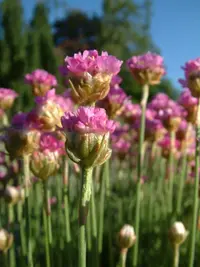
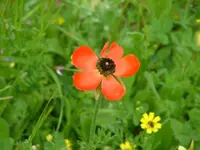
Benthamia nigrescens is a lesser-known terrestrial orchid, typically growing from underground tubers and producing a single flowering stem. It is usually compact, with small, dark-tinted blooms held above narrow foliage.

This species occurs naturally in specific regional habitats, often in grasslands or open, seasonally moist sites. It is not commonly available in general houseplant trade and suits experienced growers or collectors.

Its cultivation can be challenging because it has a marked seasonal cycle and dislikes root disturbance. Understanding how to care for Benthamia nigrescens includes providing a free-draining, low-organic substrate and avoiding prolonged waterlogging.

It generally prefers bright but not scorching light and moderate moisture during active growth, followed by a drier rest period after the foliage declines.

Main Plant Requirements

Care Difficulty

Moderate Care

Light Preference

Partial Shade

Water Requirements

Moderate Water

Temperature Preference

Warm Climate

Hardiness Zone

Unknown

Soil Texture

Loamy

Soil pH

Slightly acidic (6.5–7.0)

Soil Drainage

Well-drained

Fertilization

Minimal (feed rarely)

Get Personalized Care Plan

Scan your plant to receive care tips personalized for your specific plant

Available on iOS and Android

How to Care for the Benthamia nigrescens

This species prefers bright but gentle light that mimics open woodland or lightly shaded grassland conditions.

  • Provide 4–6 hours of morning sun with light afternoon shade; dappled or filtered light through shrubs or taller grasses suits Benthamia nigrescens well.
  • In hot climates, protect from intense sun between 11 a.m. and 3 p.m. to reduce leaf scorch and moisture stress, especially during dry periods.
  • In cooler seasons, allow more direct sun by thinning overhead cover; in summer, increase shade if leaves pale, curl, or show dry brown patches.

This plant prefers evenly moist, well-drained soil and is sensitive to prolonged drought or waterlogging.

  • Water when the top 2–4 cm of soil feel dry, applying a deep soak rather than a light sprinkle so moisture reaches the root zone.
  • Use soil with good drainage and, where possible, a slight slope or raised position to prevent standing water that can cause root rot and yellowing foliage.
  • Reduce watering in cooler months, but do not allow the soil to dry completely; wilting, rolled leaves signal drought stress, while soft, blackened roots indicate excess moisture.

This species performs best in mild, frost-free conditions with moderate seasonal variation.

  • Aim for 60–77°F (16–25°C) during active growth; this range supports steady root and leaf development without heat or cold stress.
  • Protect from temperatures below 40°F (4°C); light frost can damage foliage and repeated freezing can kill crowns and roots.
  • In hot spells above 86°F (30°C), provide extra shade and soil moisture, and avoid heat-reflective surfaces that can overheat the root zone.

This orchid prefers moderately humid air and reacts quickly to very dry conditions.

  • Aim for 50–70% humidity, as consistently lower levels slow growth and reduce flowering.
  • Crisping leaf tips and shriveling pseudobulbs indicate humidity stress rather than underwatering alone.
  • Use a humidity tray or group plants together instead of frequent misting, which can encourage fungal spots on foliage.

This terrestrial orchid needs loose, sharply drained, humus-rich soil to prevent root and tuber rot.

  • Use a mix such as 40% fine bark, 30% compost, 20% perlite, and 10% coarse sand to balance moisture retention and drainage.
  • Maintain a slightly acidic to neutral pH around 6.0–7.0, which supports nutrient availability without stressing roots.
  • In heavy native soil, build a raised bed or mound and blend in bark fines and grit to improve aeration.
  • Avoid compacted clay, peat-heavy mixes that stay wet, or pure sand, as these either suffocate roots or dry out too fast for Benthamia nigrescens.

This species can grow in containers if the pot is set up to prevent lingering moisture around the tubers.

  • Choose a tall, relatively narrow pot so roots have vertical depth while excess water drains quickly away from the crown area.
  • Use a rigid, heavier container material if the plant forms tall flowering spikes, reducing the risk of tipping in wind.
  • Elevate the pot slightly on feet or pot risers so drainage holes stay clear and water cannot pool under the base.

This species usually grows well in ordinary, reasonably fertile soil and needs only modest feeding in cultivation.

  • Use a light application of well-rotted compost or a balanced slow-release fertilizer (around 8-8-8 to 12-12-12) in early spring to support Benthamia nigrescens.
  • Apply granular or pelletized product over the root zone, keeping it away from direct contact with the trunk or stems.
  • During the active growing season, avoid additional high-strength feeding; use any liquid fertilizer at 1/2 strength if growth appears weak.
  • Do not fertilize in winter or dormancy, as inactive roots cannot use nutrients and salt buildup may occur.

Pruning is mainly used to maintain a sound framework and remove declining growth.

  • Carry out structural pruning in late winter or very early spring before new growth begins.
  • Remove dead, diseased, crossing, or storm-damaged branches first, cutting back to a healthy lateral or the branch collar.
  • Thin congested interior shoots to improve light and air movement, which supports overall vigor and canopy shape in Benthamia nigrescens.
  • Use sharp, clean hand pruners or a pruning saw, making smooth cuts to reduce the risk of infection or dieback.

This species is typically grown in the ground; transplanting young plants carefully is more important than frequent repotting.

  • Transplant in late winter or early spring while the plant is dormant, choosing a cool, overcast day to limit stress.
  • Look for signs such as slow growth, roots circling a nursery container, or the plant becoming unstable as indicators it has outgrown its pot.
  • Shift container-grown plants only 1 size up into a free-draining mix, keeping the root ball intact and disturbing roots as little as possible.
  • Water thoroughly after transplanting, then keep soil evenly moist and shaded for 1–2 weeks to help roots re-establish and reduce shock for Benthamia nigrescens.

Propagation is usually done by seed and requires patience and controlled conditions.

  • Collect ripe seed from healthy plants and sow in late winter to early spring in a sterile, well-drained seed mix.
  • Provide steady warmth around 68–72°F, bright indirect light, and lightly moist conditions to encourage slow, even germination.
  • If semi-ripe cuttings are attempted, take them in late spring to summer, treat bases with rooting hormone, and place in high humidity.
  • Maintain good air circulation and avoid overwatering young plants to reduce damping-off and root rot during early establishment.

This plant is moderately cold hardy but benefits from basic winter protection in colder regions.

  • In climates colder than its usual range, add a 5–8 cm layer of organic mulch around the root zone, keeping it away from the trunk.
  • Young or newly planted Benthamia nigrescens may need a breathable wrap or windbreak to limit freeze–thaw damage to stems.
  • Container-grown plants in marginal zones should be moved into a sheltered, frost-free but cool area until sustained freezes pass.

Care Tips

Sturdy staking

Install a slim, rust-proof stake at planting time and loosely secure the stem with soft ties, then adjust ties as the plant elongates to prevent wind damage and stem kinking.

Mulch for root comfort

Apply a 3–5 cm layer of fine, well-aged organic mulch around but not touching the stem to keep roots cool, reduce weed competition, and stabilize soil moisture during hot or windy periods.

Gentle clump division

Every 3–4 years, divide overgrown clumps when the plant is dormant, using a clean, sharp knife to separate healthy sections with intact roots and immediately replant them at the same depth.

Preventive pest scouting

Inspect leaf undersides and new growth weekly with a hand lens during warm months and remove early pest colonies by hand or with a targeted horticultural soap before damage becomes visible.

Seasonal protection strategy

In regions with harsh winters, mark the planting site, cut back dead top growth once it has completely browned, then cover the root zone with an insulating mulch layer and remove most of it in spring to support stable regrowth when growing Benthamia nigrescens.

Common Pests and Diseases

Scale insects

This pest feeds on sap and is often found on stems, leaf bases, and flower spikes, appearing as small brown or gray bumps. Symptoms include yellowing leaves, weak growth, and sticky honeydew that can lead to sooty mold.

Solution

Remove infested areas with a cotton swab dipped in alcohol or gently scrape scale from stems, then rinse the plant with lukewarm water. For heavier infestations, use a light horticultural oil or insecticidal soap, repeating every 7–10 days and improving air movement around the plant.

Mealybugs

These insects collect in leaf axils, on roots, and around pseudobulbs, forming white cottony masses. Symptoms include stunted growth, deformed new leaves, and honeydew that can attract mold and ants.

Solution

Physically remove visible clusters with cotton swabs dipped in alcohol and rinse the plant thoroughly, including the undersides of leaves. For persistent problems, apply insecticidal soap or a systemic insecticide labeled for orchids, and isolate the plant until new growth appears clean.

Spider mites

This pest thrives in warm, dry conditions and is more common under indoor or greenhouse cultivation with low humidity. Symptoms include fine webbing under leaves, pale stippling, and bronzed or dull foliage.

Solution

Increase humidity, regularly mist foliage, and rinse leaf undersides with a firm stream of lukewarm water to remove mites. In stronger infestations, use insecticidal soap or a miticide labeled for ornamentals and repeat treatments while monitoring with a hand lens.

Leaf spot disease

This disease is typically fungal and causes small water-soaked spots that enlarge into dark, sometimes sunken lesions on leaves. Symptoms include yellow halos around spots and premature leaf drop, especially in dense, poorly ventilated plantings.

Solution

Remove and discard affected leaves, avoid wetting foliage late in the day, and space plants to improve airflow. If new spots continue to appear, apply a broad-spectrum fungicide labeled for ornamental or orchid use and maintain consistent but moderate moisture levels as part of comprehensive Benthamia nigrescens care instructions.

Interesting Facts

Madagascan highland orchid

This terrestrial orchid is endemic to Madagascar, where it grows in highland grasslands and open habitats rather than in forest canopies like many other orchids.

Darkly pigmented flowers

The species is notable for its unusually dark, almost blackish floral coloration compared with many related orchids, which may influence the specific insects that visit it for pollination.

Terrestrial growth strategy

Unlike typical epiphytic orchids that grow on trees, this plant develops in soil with underground storage organs that help it survive seasonal changes in its native climate.

FAQs about Benthamia nigrescens

This species is generally slow-growing, often taking several years to reach a noticeable clump size. Growth rate depends on stable moisture, cool to mild temperatures, and nutrient availability. Disturbance of roots or irregular watering can slow development further.

Grow Healthy Plants with Botan Care

Keep your plants happy and healthy with plant identification, disease detection, and easy care guidance.

Botan plant care app — identify plants on mobile

Explore More Plants