sweet-Nancy Care (Achillea ageratum)

Also known as: Sweet Yarrow
sweet-Nancy

About sweet-Nancy

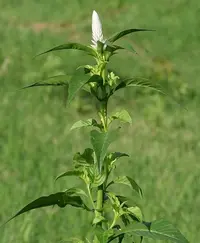
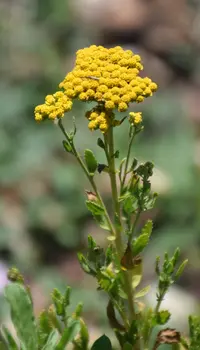
Sweet-Nancy, Achillea ageratum, is a low, clump-forming perennial in the yarrow family grown mainly for its soft, fern-like foliage and clusters of small white flowers. It stays compact and neat, making it suitable for borders, cottage-style plantings, and informal groundcover.

This species is native to parts of southeastern Europe and thrives in temperate gardens with good light and drainage. It is valued for being relatively drought tolerant once established and for its long flowering season. These traits generally make it easy to grow, provided the soil does not stay wet. Gardeners who care for sweet-Nancy usually appreciate its resilience and low-maintenance nature.

Main Plant Requirements

Care Difficulty

Easy Care

Light Preference

Full Sun

Water Requirements

Low Water

Temperature Preference

Cold Hardy

Hardiness Zone

3–7

Soil Texture

Sandy, Loamy, Rocky

Soil pH

Slightly acidic (6.5–7.0), Slightly alkaline (7.0–7.5)

Soil Drainage

Well-drained

Fertilization

Minimal (feed rarely)

Get Personalized Care Plan

Scan your plant to receive care tips personalized for your specific plant

Available on iOS and Android

How to Care for the sweet-Nancy

Achillea ageratum prefers bright, open conditions to flower well.

  • Provide full sun for 6–8 hours daily; 8–10 hours gives the best bloom density and compact growth.
  • Plant in a spot with morning sun and mild afternoon sun; it tolerates light partial shade (2–3 hours) but flowering decreases as shade increases.
  • Sweet-Nancy handles strong summer sun if soil does not dry to dust, but prolonged deep shade causes floppy stems, pale foliage, and sparse flowers.

Achillea ageratum prefers dry to moderately moist soil rather than constant moisture.

  • Water when the top 3–5 cm of soil feel dry; in most climates this means deep but infrequent watering, then allow the soil to dry again.
  • Use very well-drained soil or a sloped bed to prevent standing water; soggy conditions cause yellowing leaves, root rot, and weak, collapsing stems.
  • During hot, dry spells, watch for wilting or dull, curled leaves as a cue to water, and reduce watering in cool or rainy seasons to avoid overwatering Achillea ageratum.

This species is a hardy perennial that prefers moderate warmth but tolerates seasonal cold.

  • Optimal growth occurs around 65–80°F (18–27°C), with good flowering and sturdy stems in this range.
  • Plants tolerate winter lows down to about 0–5°F (-18 to -15°C) once established, but new plantings need protection from hard freezes their first season.
  • Heat up to 90–95°F (32–35°C) is usually tolerated if soil is not bone-dry, but extended extreme heat or hot, reflected surfaces can scorch foliage and shorten flowering.

Humidity is not a critical factor for Achillea ageratum, which thrives in dry air.

Achillea ageratum prefers lean, well-drained, mineral soils that prevent prolonged moisture around the roots.

  • Use sandy or sandy-loam soil with low to moderate organic matter to avoid excessive fertility and softness.
  • Aim for slightly alkaline to neutral pH, around 7.0–7.8, which supports strong, compact growth.
  • Improve drainage and aeration by blending garden soil with coarse sand or fine grit at roughly 2:1.
  • Avoid heavy clay, peat-heavy mixes, or soils that stay wet for more than a day after rain or watering.

This species can be grown in containers if the pot is set up to drain and dry quickly.

  • Choose a wide, relatively shallow pot so spreading roots can colonize the surface without sitting in deep, wet compost.
  • Use a gritty mix, such as 60% potting soil with 40% coarse sand or grit, to mimic dry, open ground.
  • Select a heavier material pot, like terracotta, to reduce water retention and keep taller flower stems more stable in wind.

Achillea ageratum is not a heavy feeder, but light nutrition supports compact growth and flowering.

  • Use a balanced, slow-release fertilizer (around 10-10-10) or a thin layer of compost in early spring for caring for sweet-Nancy.
  • Feed once more in mid-summer if growth or flowering declines, skipping extra feeding on rich soils.
  • Apply at half the label rate for perennials, keeping granules away from the crown to prevent rot.
  • Stop fertilizing in late summer so plants harden off before winter and avoid any feeding during winter dormancy.

Achillea ageratum responds well to thoughtful pruning that maintains a tidy, floriferous clump.

  • In late winter or very early spring, cut back all old stems to just above ground level to encourage fresh basal growth.
  • During flowering, deadhead spent flower heads to extend the blooming period and reduce unwanted self-seeding.
  • Remove damaged, weak, or crowded stems at the base to improve airflow and reduce foliar disease risk.
  • Use clean, sharp hand pruners or scissors and disinfect blades when moving between plants to limit pathogen spread.

This yarrow is most often grown in open ground and benefits from occasional division or transplanting rather than frequent repotting.

  • Plan transplanting or division in early spring or early fall when temperatures are mild and soil is workable.
  • Every 3–4 years, lift crowded clumps, separating healthy outer sections with strong shoots and white roots.
  • In containers, watch for roots circling the pot or slow growth, then shift to a slightly larger pot with free-draining soil.
  • Reduce transplant shock by watering well before and after moving, planting at the same depth, and shading for a few days in hot, sunny conditions.

Achillea ageratum is commonly propagated by division, cuttings, or seeds, allowing easy renewal of planting areas.

  • Divide established clumps in early spring, replanting vigorous outer pieces in well-drained soil and discarding woody centers.
  • Take 5–8 cm softwood or semi-ripe stem cuttings in late spring to early summer and root them in a light, moist, sandy mix.
  • Sow seeds in late winter to early spring on the surface of a sterile mix, since light helps trigger germination.
  • Keep cuttings or seed trays at 65–72°F with gentle brightness and lightly moist substrate until strong roots form.

This hardy perennial usually needs minimal winter care in most temperate gardens.

  • Established plants tolerate typical frost in USDA zones where they are commonly grown, especially in well-drained soil.
  • After hard frost, cut back dead stems to a few cm above the ground or leave them for winter interest, trimming in late winter.
  • In colder or exposed sites, apply a light mulch layer around, but not over, the crown to buffer freeze–thaw cycles.
  • Container plants are more vulnerable; move pots into a sheltered, unheated but frost-sheltered spot and keep soil just barely moist.

Care Tips

Staggered Planting Blocks

Plant in small groups with 20–30 cm spacing and cut back a different group every 2–3 weeks; this staggered shearing keeps the planting in continuous bloom and maintains a compact habit through summer.

Timely Deadheading Technique

Remove spent flower heads just above a leaf node before seed forms, using clean, sharp scissors, which encourages fresh flowering stems rather than diverting energy into seed production.

Support Against Lodging

In windy or exposed sites, install low, unobtrusive ring supports or a short grid of twine at 15–20 cm height in spring so stems grow through and stay upright without needing later tying.

Controlled Self-Seeding

If volunteer seedlings are welcome, allow a few flower heads to dry on the plant and drop seed, then thin or transplant young seedlings in early spring to keep clumps dense but not overcrowded.

Spring Clump Renewal

Every 3–4 years, lift and divide congested clumps in early spring, replanting only the vigorous outer sections, which improves flowering quality and is one of the most effective long-term practices for growing sweet-Nancy.

Common Pests and Diseases

Powdery mildew

This disease causes a white, powdery coating on leaves, stems, and flower stalks, especially in warm, dry conditions with poor air movement. Symptoms include distorted new growth and premature leaf yellowing or drop.

Solution

Remove and discard heavily affected leaves and any plant debris, then thin crowded stems or nearby plants to increase airflow. Water at soil level, avoid overhead watering, and use a sulfur or potassium bicarbonate fungicide labeled for ornamentals if conditions stay favorable for infection.

Botrytis blight

This disease produces brown, water-soaked spots on leaves, stems, and flower heads, which later develop gray, fuzzy mold in cool, humid weather. Symptoms include collapse of flower clusters and dieback of tender growth.

Solution

Cut off and discard all affected flower heads and foliage, and clear plant debris from around the clump to reduce inoculum. Improve air circulation, avoid wetting the foliage, and in prolonged wet periods use a fungicide labeled for gray mold if cultural measures are not sufficient.

Aphids

These insects cluster on young stems and flower stalks, sucking sap and causing puckered leaves, stunted growth, and sticky honeydew that can attract sooty mold. This pest is often most active on lush, fertilized growth and during mild weather.

Solution

Dislodge colonies by spraying plants with a strong stream of water, and prune off heavily infested tips if practical. Encourage natural enemies such as lady beetles, and use insecticidal soap or a light horticultural oil, making sure to coat the undersides of leaves and stems.

Spittlebugs

These insects produce frothy, white spittle masses on stems and in leaf axils while feeding on plant sap. This pest rarely kills plants but can cause distorted shoots and reduce flowering when populations are high.

Solution

Wash off spittle masses with a firm stream of water and remove heavily infested stems if needed. Reduce dense surrounding vegetation that shelters nymphs, and, if necessary, apply insecticidal soap directly to the remaining spittle-covered areas after rinsing off foam.

Leaf spot

This disease causes small, brown to purplish spots on leaves that may merge into larger blotches, sometimes leading to premature leaf drop in wet summers. Symptoms include a thinning, patchy appearance of the foliage while stems and flowers remain mostly intact.

Solution

Remove and discard spotted leaves from the plant and from the soil surface, and avoid overhead irrigation to keep foliage dry. Space clumps to promote faster drying, water in the morning, and use a copper-based or chlorothalonil fungicide if spotting progresses despite cultural adjustments.

Interesting Facts

Native Mediterranean yarrow

This species is native to southern Europe and the Mediterranean region, where it grows naturally in dry, open habitats and rocky slopes, tolerating poor, shallow soils better than many related ornamentals.

Soft, fernlike foliage

Its leaves are finely divided and softly textured, forming low, dense mounds that differ from the coarser foliage of many other yarrows and contribute to its use as a edging and rock-garden plant.

Long-lasting mauve blooms

The plant produces flat clusters of small, lilac to mauve flowers over a long summer period, and these inflorescences hold their color well when dried for use in arrangements.

Botan icon

Did you know?

The species epithet ageratum refers to the flower heads retaining their color for a relatively long time, a trait that historically led gardeners to grow Achillea ageratum for dried-flower work and old-fashioned border plantings.

FAQs about sweet-Nancy

This species forms clumps and can slowly expand by short rhizomes and self-seeding, but it is not usually aggressive. Occasional division and removal of unwanted seedlings keep it in bounds in mixed borders or meadow-style plantings.

Grow Healthy Plants with Botan Care

Keep your plants happy and healthy with plant identification, disease detection, and easy care guidance.

Botan plant care app — identify plants on mobile

Explore More Plants