Encourage Compact Growth
Pinch back the soft tips of young stems once or twice in early spring to keep plants low, dense, and better able to resist wind and heavy rain.

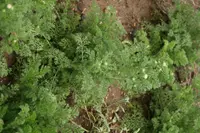
Anacyclus radiatus is a low-growing, herbaceous perennial in the daisy family, forming neat mounds or spreading patches. It produces many yellow, daisy-like flowers with radiating petals over finely divided, ferny foliage. Native to Mediterranean regions, it is adapted to sunny, dry, and often rocky habitats. This background makes it relatively tolerant of heat and short dry periods when established. In gardens, it suits rock gardens, gravel beds, and well-drained borders, where it can create a bright, informal groundcover. Light, free-draining soil and good sun exposure are the main factors that influence how to care for Anacyclus radiatus successfully.

Care Difficulty
Easy Care

Light Preference
Full Sun

Water Requirements
Low Water

Temperature Preference
Warm Climate

Hardiness Zone
8–11

Soil Texture
Sandy, Loamy, Rocky

Soil pH
Slightly acidic (6.5–7.0), Neutral (7.0)

Soil Drainage
Well-drained

Fertilization
Minimal (feed rarely)
Scan your plant to receive care tips personalized for your specific plant
Available on iOS and Android
This low, mat-forming perennial thrives in open, sunny sites typical of dry Mediterranean-style gardens.
This plant prefers dry, fast-draining conditions and is prone to stress if soil stays wet for long.
This sun-loving perennial is adapted to warm, dry climates with cool to mild winters.
This drought-tolerant species handles 30–50% humidity and rarely needs special humidity care.
This Mediterranean perennial prefers lean, well-drained, sandy soil that mimics its natural habitat.
This species can be grown in containers if drainage and shallow root needs are managed carefully.
This drought-tolerant perennial from poor soils needs only light feeding to stay healthy.
This compact plant benefits from light, timely pruning to maintain shape and flowering.
This species is usually grown in the ground, but small container plants may need occasional transplanting.
New plants are most often raised from seed, with some potential for division in mature clumps.
This plant is relatively cold hardy in well-drained soil and usually needs only minimal winter attention.

Plant Health Check
Not sure what's wrong with your plant? Check your plant's health inside the app.
This short-lived species is native to the central and western Mediterranean Basin, where it behaves as a pioneer plant that quickly colonizes disturbed, open, and often compacted soils such as roadsides and field margins.
The flower heads have conspicuously radiating white ray florets with a yellow base around a central yellow disc, forming a classic daisy-like target that is highly visible to pollinating insects in dry, bright habitats.
In its native range it commonly grows in shallow, rocky, or sandy soils with low organic matter, showing clear adaptation to seasonal drought and high light rather than to fertile, moisture-retentive substrates.
This species forms a low, spreading mat but is not typically aggressive. It fills small gaps between stones or in dry borders, yet stays manageable and is unlikely to overwhelm neighboring drought-tolerant plants.
Keep your plants happy and healthy with plant identification, disease detection, and easy care guidance.