desert sand verbena Care (Abronia villosa)

desert sand verbena

About desert sand verbena

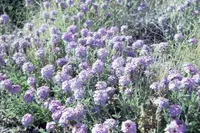
Desert sand verbena (Abronia villosa) is a low, spreading annual wildflower native to arid regions of the southwestern United States and northern Mexico. It often carpets sandy deserts with color after seasonal rains. Plants form soft, hairy stems and leaves, topped with rounded clusters of small, fragrant pink to purple flowers. The foliage is sticky to the touch, which helps the plant cope with dry, windy conditions. In gardens, it suits dry, sandy, fast-draining soils and full sun, and it dislikes heavy or wet ground. Understanding these desert adaptations makes it easier to care for desert sand verbena in low-water landscapes or wildflower plantings.

Main Plant Requirements

Care Difficulty

Moderate Care

Light Preference

Full Sun

Water Requirements

Low Water

Temperature Preference

Warm Climate

Hardiness Zone

8–11

Soil Texture

Sandy, Rocky, Loamy

Soil pH

Slightly acidic (6.5–7.0), Neutral (7.0)

Soil Drainage

Well-drained

Fertilization

Minimal (feed rarely)

Get Personalized Care Plan

Scan your plant to receive care tips personalized for your specific plant

Available on iOS and Android

How to Care for the desert sand verbena

This desert annual thrives in strong, direct sun typical of open sandy habitats.

  • Provide full sun for 6–8 hours daily, with exposure from midmorning through late afternoon for best flowering and compact growth.
  • Plant in an open site; it tolerates light afternoon shade in very hot regions, but dense shade leads to leggy stems and fewer blooms.
  • In late winter and early spring, ensure unobstructed sun as days lengthen, since desert sand verbena flowers most heavily with increasing light.

This species is adapted to dry, fast-draining desert soils and is sensitive to excess moisture.

  • Allow sandy soil to dry at least through the top 5–8 cm before watering; roots should not sit in damp soil for long periods.
  • During active growth and bloom in late winter–spring, water only after foliage looks slightly less turgid and the soil feels dry deep down.
  • Reduce or stop irrigation in hot, dormant periods; pale, limp leaves can indicate underwatering, while yellowing, soft stems suggest overwatering in Abronia villosa.

This desert annual favors warm, dry conditions and is not tolerant of hard frost.

  • Ideal growth occurs around 65–80°F (18–27°C), especially during late winter to spring when soils are moist but air remains mild.
  • Plants can survive brief dips to about 28–30°F (-2 to -1°C), but repeated or hard freezes damage foliage and can kill young plants.
  • In hot spells above 95°F (35°C), flowering may slow; provide open airflow and avoid reflected heat from walls or pavement to limit stress.

Abronia villosa thrives in dry air and rarely needs humidity adjustment in typical home or outdoor conditions.

This desert annual prefers loose, very fast-draining sandy soil that mimics its native habitat.

  • Use a mix of roughly 60–80% coarse sand with the rest light potting soil or fine gravel for structure.
  • Keep organic matter low to moderate, as highly rich mixes promote weak, lush growth and root problems.
  • Ensure water drains through in seconds, not minutes; waterlogged or compacted soil quickly causes root rot.
  • Aim for slightly acidic to neutral pH, around 6.0–7.5, which is typical of many sandy garden soils.

This species can be grown in containers if the pot and substrate are managed to stay very free-draining.

  • Choose a wide, shallow container so spreading stems can trail over the rim while roots stay in a thin, aerated layer.
  • Select a mineral-heavy, sandy mix that dries quickly, preventing the base of the plant from sitting in moisture near the pot bottom.
  • Use unglazed terracotta to increase evaporation, which helps match the naturally arid conditions this desert sand verbena prefers.

This native annual generally needs little feeding, especially in lean, sandy soils.

  • If growth is weak in very poor soil, apply a light top-dressing of compost at the start of the growing season.
  • Use a low-dose balanced NPK liquid fertilizer at 1⁄4 strength every 4–6 weeks during active growth only, if needed.
  • Avoid feeding in fall and winter once foliage declines, as desert sand verbena naturally completes its life cycle without extra nutrients.

Pruning Abronia villosa is minimal and mainly supports tidy growth and flowering.

  • In late spring to early summer, shear back lightly after main bloom to encourage a neater mound and some rebloom.
  • Remove dead, damaged, or diseased stems with clean, sharp scissors or hand pruners whenever noticed.
  • Trim back excessively sprawling or crowded stems to improve air flow and prevent plants from smothering neighbors.

This species is usually grown in the ground, with only occasional transplanting or container moves.

  • Transplant in early to mid spring once frost risk has passed and soil is warming.
  • Move plants only if growth is poor or if overcrowded, as Abronia villosa dislikes frequent disturbance.
  • If in a container, shift to a slightly larger pot only when roots circle the drainage holes or growth slows noticeably.
  • Transplant with a generous soil ball, keep roots shaded, water lightly, and avoid disturbing sandy, fibrous roots to reduce stress.

Propagation of Abronia villosa is most reliable from seed under warm, bright conditions.

  • Sow fresh seeds in late winter to early spring in a very well-drained, sandy mix, barely covering them.
  • Maintain 65–75°F, good light, and moderate moisture; allow the surface to dry slightly between waterings.
  • Outdoors, surface-sow seeds where plants are to grow and let natural winter chilling improve germination.
  • Stem cuttings are less consistent but can root in a sharply drained mix kept warm and just barely moist.

In mild, dry climates this annual or short-lived perennial needs little specific winter care.

  • In regions with light frost, allow top growth to die back naturally and leave roots undisturbed in sandy soil.
  • Where winters are wetter and cooler, improve drainage and avoid waterlogged conditions around the root zone.
  • Container plants in cold areas can be moved to a bright, cool, frost-free spot to extend their life.

Care Tips

Encourage Compact Mounds

Pinch back the soft tips of longer stems early in the season to encourage bushier growth and a denser flowering mound instead of a few sprawling, weak shoots.

Use Deep, Fast-Draining Beds

Plant in a raised mound or low berm of sandy soil 10–20 cm high so rainwater and irrigation run off quickly, which closely mimics native conditions and reduces root disease risk.

Limit Organic Mulches

Avoid wood chips or compost mulches around the crown and instead use a thin gravel or coarse sand top layer, which keeps the collar dry and warm while suppressing some weeds.

Protect From Heavy Rains

In climates with occasional heavy storms, use a simple, clear rain shield or temporary cold frame over the planting area to prevent prolonged saturation that this desert annual does not tolerate when growing desert sand verbena.

Timed Reseeding Strategy

Allow some spent flower heads to dry fully on the plant, then gently shake or crumble them over the same sandy patch so seeds drop where conditions are already suitable, supporting a natural reseeding cycle year to year.

Common Pests and Diseases

Spider mites

This pest often appears during hot, dry periods and feeds on the undersides of leaves, causing stippling and fine webbing on foliage and stems. Symptoms include dull, speckled leaves and reduced flowering in stressed plants.

Solution

Rinse plants with a firm stream of water to dislodge mites, focusing on the undersides of leaves, and repeat weekly during outbreaks. For persistent problems, apply a horticultural oil or insecticidal soap in the evening, and reduce stress by avoiding overhead irrigation that splashes sand onto foliage while still meeting the plant’s low water needs typical for Abronia villosa care.

Leafhoppers

These insects suck sap from leaves and young stems, causing pale spots, leaf curling, and general decline in vigor. Symptoms include quick scattering of small, wedge-shaped insects when the plant is disturbed.

Solution

Prune and discard heavily infested stems, then use a strong water spray to knock remaining insects off the plant. If needed, apply insecticidal soap or a neem-based product in several treatments 5–7 days apart, and limit excess nitrogen fertilizer, which encourages soft growth that leafhoppers prefer.

Powdery mildew

This disease produces white, powdery patches on leaves, stems, and sometimes flower stalks, more often when cool nights follow warm days. Symptoms include distorted new growth and reduced flowering when infections are severe.

Solution

Remove and discard affected leaves to reduce spore levels, then improve airflow by thinning crowded stems and nearby vegetation. Avoid overhead watering late in the day, water at soil level, and if conditions stay favorable for the disease, use a sulfur or potassium bicarbonate fungicide labeled for ornamental plants according to the product directions.

Rust

This disease causes small yellow spots on upper leaf surfaces and orange to brown pustules on the undersides. Symptoms include premature leaf drop in stressed plants growing outside their preferred dry, open conditions.

Solution

Promptly remove and dispose of infected leaves and severely affected plants to limit spread, and avoid overhead irrigation that keeps foliage wet. Space plants to increase airflow, keep leaves dry, and, if needed, apply a rust-specific fungicide early in the infection period following label guidance.

Interesting Facts

Sticky sand specialist

This species has sticky, glandular hairs on its stems and leaves that trap wind-blown sand, helping anchor the plant and reduce moisture loss in its desert habitat.

Night-scented blooms

Its magenta to pink flower clusters open widest and release the strongest fragrance in the evening and night, attracting nocturnal moths and other night-active pollinators in arid regions.

Short-lived desert annual

Abronia villosa is typically a short-lived annual that germinates after seasonal desert rains, flowers quickly, then sets seed before heat and drought intensify, an adaptation to unpredictable desert rainfall.

Botan icon

Did you know?

Some populations of Abronia villosa help stabilize loose desert dunes by forming low, spreading mats whose roots and sand-catching foliage reduce soil erosion and create tiny microhabitats for insects and other small organisms.

FAQs about desert sand verbena

Flowers produce abundant nectar and a strong evening scent that draws native bees, butterflies, moths, and other pollinators. In dry gardens it can be an important early-season food source for these beneficial insects.

Grow Healthy Plants with Botan Care

Keep your plants happy and healthy with plant identification, disease detection, and easy care guidance.

Botan plant care app — identify plants on mobile

Explore More Plants