common columbine Care (Aquilegia vulgaris)

Also known as: Columbine, European columbine
common columbine

About common columbine

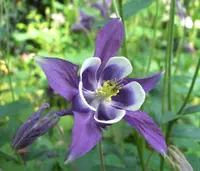
Common columbine, Aquilegia vulgaris, is a short-lived perennial known for its nodding, spurred flowers and delicate, fern-like foliage. It typically forms loose clumps that fit well into mixed borders and naturalistic plantings.

This species is native to Europe but has long been grown in gardens across North America, especially in cottage-style and pollinator-friendly plantings. Flowers appear in late spring to early summer in shades of blue, purple, pink, or white.

Aquilegia vulgaris generally prefers cool conditions, partial shade, and moist but well-drained soil. Self-seeding and moderate toughness make it relatively easy to care for common columbine in typical garden settings.

Main Plant Requirements

Care Difficulty

Moderate Care

Light Preference

Partial Shade

Water Requirements

Moderate Water

Temperature Preference

Cold Hardy

Hardiness Zone

3–8

Soil Texture

Loamy, Sandy, Organic-rich

Soil pH

Acidic (5.5–6.5), Slightly acidic (6.5–7.0)

Soil Drainage

Moist but well-drained

Fertilization

Minimal (feed rarely)

Get Personalized Care Plan

Scan your plant to receive care tips personalized for your specific plant

Available on iOS and Android

How to Care for the common columbine

Aquilegia vulgaris grows best in bright but not harsh outdoor light conditions.

  • Provide 4–6 hours of sun daily, ideally with morning sun and light afternoon shade, especially in warmer climates.
  • Allow partial shade (dappled light under trees) in summer to prevent leaf scorch and premature flowering decline.
  • In cooler regions, the plant tolerates more direct sun, but monitor common columbine for paling, crisping leaves, or drooping as signs of excessive exposure.

Aquilegia vulgaris prefers evenly moist, well-drained soil without staying soggy.

  • Water when the top 3–5 cm of soil feels dry, aiming for deep soaking rather than light, frequent splashes.
  • Ensure soil drains freely; wilting with wet soil, yellowing lower leaves, or a sour smell indicate overwatering and poor aeration.
  • During hot, dry periods increase watering frequency, while in cool or rainy seasons reduce input and rely more on natural rainfall.

This perennial handles cool climates well but has clear limits for both cold and heat.

  • Active growth and flowering occur best around 55–70°F (13–21°C), typical of mild spring and early summer conditions.
  • Established plants tolerate winter lows near 5–10°F (-15 to -12°C) under mulch, with crowns usually surviving normal garden frosts.
  • In hot spells above 85°F (29°C), expect some leaf decline; provide shade and consistent soil moisture to reduce heat stress.

Aquilegia vulgaris manages well in typical outdoor humidity and rarely needs special adjustment.

  • Performs reliably across roughly 30–70% humidity, making it suitable for most temperate gardens.
  • Tolerates relatively dry air if soil moisture is consistent, so avoid letting the root zone dry out completely in hot, arid weather.
  • Symptoms of humidity stress include crisp leaf edges and faster wilting; in very dry, windy sites, shelter with nearby planting or low windbreaks.

Aquilegia vulgaris prefers cool, moist but well-drained soil with a loose, airy structure.

  • Use a loamy mix rich in organic matter, such as garden loam blended with compost and leaf mold, to support deep, fibrous roots.
  • Ensure drainage by avoiding heavy, compacted clay; incorporate sharp sand or fine grit if water lingers after rain.
  • Aim for slightly acidic to neutral conditions, around pH 6.0–7.0, which supports nutrient availability and healthy foliage growth.
  • Improve aeration by working in coarse compost or pine bark fines to prevent crusting and reduce the risk of root rot.

This species can be grown successfully in containers for a few seasons with careful moisture and root-space management.

  • Choose a pot at least 25–30 cm deep so the taproot can develop without curling tightly at the base.
  • Select a heavier material like ceramic or clay to keep tall flower stems stable against wind and accidental knocks.
  • Use a free-draining potting mix and elevate the container slightly so drainage holes stay clear and excess water escapes quickly.

Aquilegia vulgaris benefits from modest feeding but performs well in reasonably fertile garden soil.

  • Apply a light layer of garden compost or well-rotted manure around plants in early spring to support flowering.
  • Use a balanced, slow-release granular fertilizer (around 10-10-10) once in spring for common columbine, avoiding high-nitrogen lawn products.
  • Dilute liquid balanced fertilizer to 1/2 strength and use only if growth appears weak, no more than every 4–6 weeks in the growing season.
  • Stop feeding in late summer as foliage declines, and avoid fertilizer in winter dormancy to prevent soft, frost-prone growth.

Pruning Aquilegia vulgaris is mainly about tidiness and encouraging repeat or stronger flowering.

  • Deadhead spent flower stems in late spring or early summer to promote a neater clump and sometimes a light rebloom.
  • Cut entire flower stalks down to the basal foliage with clean hand pruners once most blooms fade.
  • Remove dead, damaged, or diseased leaves at any time to improve air circulation and reduce fungal issues.
  • In late fall or very early spring, shear back old, tatty foliage to a few cm above the crown to make room for fresh growth.

Aquilegia vulgaris is most often grown in garden beds and prefers minimal disturbance once established.

  • Transplant in early spring or early fall when temperatures are mild and soil is moist but not waterlogged.
  • Move plants only when necessary, such as poor flowering, overcrowding, or slow growth from exhausted soil.
  • Dig a wide, deep root ball to protect the taproot, then replant at the same depth in well-drained soil and water thoroughly.
  • Water consistently for several weeks after transplanting and apply a light mulch to limit moisture stress around the root zone.

Aquilegia vulgaris is commonly propagated from seed, with division used more sparingly due to its taproot.

  • Sow fresh seeds in late summer or fall outdoors, allowing natural winter cold to break dormancy, or cold-stratify in a refrigerator for 3–4 weeks.
  • Use a free-draining seed mix, keep evenly moist, and provide bright, indirect light for germination in spring.
  • Transplant seedlings when they have several true leaves, handling gently to avoid damaging the developing taproot.
  • Divide only young, vigorous clumps in early spring, cutting large sections with a sharp knife and replanting immediately.

Aquilegia vulgaris is generally cold hardy in most temperate climates and needs little special winter care.

  • After frost blackens foliage, cut stems back to just above the crown to reduce disease carryover.
  • Apply a 3–5 cm layer of mulch around, but not on top of, the crown in colder regions to buffer soil temperature swings.
  • Container-grown plants in very cold areas can be moved into an unheated garage or sheltered spot to prevent root damage from repeated freeze–thaw cycles.

Care Tips

Shade seedling crowns

When seedlings emerge, mulch lightly with fine compost or leaf mold around but not over the crowns to keep the root zone cool and moist while preventing heaving in freeze–thaw periods.

Rotate planting zones

Replant new seedlings or self-sown volunteers into a fresh bed every 3–4 years to reduce buildup of fungal spores and maintain vigorous flowering plants.

Deadhead in stages

First, remove only spent flowers to extend bloom, then later cut back selected seed heads while leaving a few to ripen if you want controlled self-seeding and new color variations.

Ventilate for mildew control

Space plants so foliage just touches at maturity and thin out crowded clumps in early spring to improve air flow and lower the risk of powdery mildew on leaves.

Mark and move seedlings

In late summer, flag the strongest self-sown seedlings and transplant them on a cool, overcast day with a soil plug kept intact, which is an efficient way of growing common columbine without constant reseeding.

Common Pests and Diseases

Columbine leaf miner

This pest creates winding, pale tunnels inside the leaves that eventually cause large blotches and premature leaf drop. Symptoms include distorted foliage that looks unsightly but rarely kills the plant.

Solution

Remove and discard mined leaves as soon as damage is seen to break the life cycle, and clean up all fallen foliage at the end of the season. For heavy infestations, cover plants with fine insect netting in spring to block egg-laying adults, or use a systemic insecticide labeled for ornamental perennials if non-chemical methods are not sufficient.

Powdery mildew

This disease causes a white, powdery coating on leaves, stems, and sometimes flower stalks, leading to yellowing and early leaf drop. It tends to appear in crowded, shaded, or poorly ventilated plantings, especially in humid weather.

Solution

Thin or divide plants to improve airflow and avoid overhead watering so foliage dries quickly. Remove and destroy heavily infected leaves, and if needed apply a sulfur or potassium bicarbonate fungicide labeled for ornamentals at the first sign of symptoms.

Columbine sawfly

These insects feed on foliage, leaving ragged or skeletonized leaves that can strip plants in late spring or early summer. Larvae resemble small green caterpillars but are actually sawfly larvae, which do not respond to Bacillus thuringiensis (Bt) treatments that target true caterpillars.

Solution

Handpick larvae and drop them into soapy water when first noticed, checking leaf undersides regularly during the main feeding period. For larger infestations, use a contact insecticidal soap or horticultural oil sprayed thoroughly on foliage, repeating as directed until feeding stops.

Rust

This disease produces small yellow spots on upper leaf surfaces and orange-brown pustules on the undersides. Infected leaves may curl, dry, and drop early, weakening plants over time.

Solution

Promptly remove and discard affected leaves and any plant debris around the base to reduce spore spread. Improve spacing for better air circulation, avoid wetting foliage, and if the problem recurs, use a labeled ornamental fungicide containing myclobutanil or chlorothalonil according to package directions.

Aphids

These insects cluster on young stems, leaf undersides, and flower stalks, sucking sap and excreting sticky honeydew that can attract sooty mold. Symptoms include curled or distorted new growth and reduced vigor, especially on young plants.

Solution

Spray plants with a strong stream of water to dislodge aphids, repeating every few days as needed, and encourage natural predators such as lady beetles by avoiding broad-spectrum insecticides. Persistent infestations can be managed with insecticidal soap or neem oil, applied thoroughly to all infested surfaces in cool, shaded conditions.

Interesting Facts

European woodland native

This species is naturally distributed across much of Europe, where it often grows along woodland edges, clearings, and rocky slopes rather than in deep forest shade.

Specialized pollinator spurs

Its backward-curving floral spurs store nectar that is most easily accessed by long-tongued pollinators such as bumblebees, which influences which insects can effectively pollinate it.

Variable flower colors

Wild populations typically show blue to violet flowers, but long cultivation and natural crossing with garden forms have produced a wide range of colors and bicolors in this species.

Botan icon

Did you know?

Historical records show that this species was widely grown in European cottage gardens by at least the Middle Ages, and traditional herbals often illustrated it, which makes Aquilegia vulgaris care one of the oldest documented cases of ornamental cultivation in temperate Europe.

FAQs about common columbine

Poor flowering usually comes from too little light, excess shade from overgrown plants, or nutrient imbalance from high-nitrogen fertilizer. Overcrowding and old, exhausted clumps also reduce blooms. Divide older plants and deadhead spent flowers to encourage better display.

Grow Healthy Plants with Botan Care

Keep your plants happy and healthy with plant identification, disease detection, and easy care guidance.

Botan plant care app — identify plants on mobile

Explore More Plants