showy milkweed Care (Asclepias speciosa)

showy milkweed

About showy milkweed

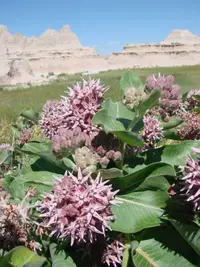
Showy milkweed, Asclepias speciosa, is a perennial wildflower native to western and central North America. It typically grows in sunny meadows, prairies, and roadsides. The plant forms upright stems with broad, velvety leaves and large, star-shaped pink flower clusters that attract bees, butterflies, and especially monarch caterpillars. It spreads by both seed and underground rhizomes, so it can gradually form colonies in suitable conditions. Showy milkweed is generally easy to grow if it receives full sun, has well-drained soil, and is not overwatered. Gardeners who learn how to care for showy milkweed often find it a durable, low-input plant once established.

Main Plant Requirements

Care Difficulty

Easy Care

Light Preference

Full Sun

Water Requirements

Low Water

Temperature Preference

Cold Hardy

Hardiness Zone

3–9

Soil Texture

Sandy, Loamy, Rocky

Soil pH

Slightly acidic (6.5–7.0), Neutral (7.0)

Soil Drainage

Well-drained

Fertilization

Minimal (feed rarely)

Get Personalized Care Plan

Scan your plant to receive care tips personalized for your specific plant

Available on iOS and Android

How to Care for the showy milkweed

This sun-loving perennial performs best in open, bright conditions that mimic prairie or roadside habitats.

  • Provide 6–8 hours of direct sun daily; showy milkweed flowers and grows sturdily in full sun from morning through late afternoon.
  • Accepts light afternoon shade, especially in hotter regions, but too much shade causes lanky stems, fewer blooms, and reduced leaf quality for caterpillars.
  • Avoid dense shade from buildings or trees; in cool climates prioritize full south-facing exposure, while in hot, dry areas combine strong morning sun with light filtered afternoon light.

This species is drought-tolerant once established but needs thoughtful watering during its first seasons.

  • For new in-ground Asclepias speciosa, water when the top 5–8 cm of soil are dry, then water deeply so moisture reaches the full root zone.
  • Use fast-draining, sandy or loamy soil so water does not pool; persistent wetness causes yellowing leaves, stem rot, and root loss.
  • Reduce watering in fall as stems die back; established plants in the ground often need only occasional deep soaking during extended heat or visible wilting.

This hardy perennial tolerates a wide range of outdoor temperatures when grown in suitable climates.

  • Active growth and flowering occur best around 70–85°F (21–29°C), with plants emerging in spring as soil warms and thriving through summer.
  • Established plants tolerate winter lows near 0°F (−18°C) in many regions, surviving underground even when top growth dies back after hard frosts.
  • Mature clumps handle dry heat up to about 95–100°F (35–38°C) if roots are deep, but young plants need extra water and mulch protection during extreme heat or cold snaps.

This species is naturally adapted to dry air, so humidity is rarely a concern indoors or outdoors.

  • Target 30–50% humidity, which matches typical indoor air and many outdoor summer conditions.
  • Showy milkweed tolerates very dry air but may drop leaves faster in hot, drafty indoor spots.
  • If foliage edges brown while soil moisture is correct, relocate away from heating vents rather than adding humidifiers.

This species prefers mineral, well-draining ground that never stays waterlogged.

  • Use a sandy or sandy-loam mix with coarse particles so water drains through within a few minutes of watering.
  • Blend roughly 60–70% native or bagged sandy topsoil with 20–30% coarse sand and 10–20% fine gravel or perlite for aeration.
  • Keep pH slightly acidic to slightly alkaline, about 6.0–7.8, as Asclepias speciosa tolerates a wide range if drainage is sharp.
  • Avoid heavy clay, peat-heavy mixes, or spots where water pools; standing moisture encourages root and crown rot.

This species can be grown in containers but performs best when root depth and drainage are carefully managed.

  • Choose a deep, heavy pot (at least 30–40 cm tall) so the long taproot can extend without circling tightly.
  • Use a gritty, fast-draining mix and elevate the pot on feet or bricks so drainage holes never sit in collected runoff.
  • Place the container where wind exposure is high but the pot is sheltered or weighted, since tall stems can act like a sail and tip lightweight pots.

This native perennial generally needs minimal feeding but benefits from light nutrition in very poor soils when caring for showy milkweed.

  • Use a balanced, low-strength fertilizer (for example 10-10-10) at 1/2–1/4 label rate if growth is weak or foliage is pale.
  • Apply once in late spring and again mid-summer only if soil is low in organic matter.
  • Prefer slow-release granules or a thin layer of compost over high-nitrogen liquids.
  • Stop feeding in late summer so stems harden before winter dormancy.

Pruning Asclepias speciosa is simple and mainly supports tidiness, flowering, and safety for wildlife.

  • In mid to late spring, remove dead, broken, or winter-killed stems with clean bypass pruners.
  • During bloom, deadhead spent flower clusters to reduce self-seeding if desired, leaving some pods for wildlife if appropriate.
  • Thin crowded stems at ground level to improve air flow and maintain an upright, open clump.
  • In late fall or very early spring, cut back old stems to a few cm above soil once monarch activity has ended.

Transplanting this deep-rooted milkweed requires planning because mature plants dislike disturbance.

  • Look for roots circling inside pots, water running straight through, or stalled growth as signs a container plant needs more space.
  • Transplant young plants in early spring or early fall, allowing cool temperatures and moisture to support recovery.
  • Use deep containers or ground sites with loose, well-drained soil so the taproot can extend without curling.
  • Dig generously around outdoor plants, keep soil on the root ball, replant at the same depth, then water thoroughly to settle soil and limit shock.

Asclepias speciosa is most often propagated from seed, with some additional options for gardeners managing established clumps.

  • Collect ripe pods in late summer to early fall when they start to split, then dry and separate the seeds from fluff.
  • Provide cold stratification at 35–40°F for 4–6 weeks in moist medium to improve germination.
  • Sow seeds in trays or direct in the garden in early spring, keeping the surface just moist until seedlings establish.
  • For established patches, carefully divide small peripheral shoots in early spring, preserving as much taproot as possible.

This cold-hardy perennial usually needs little winter care once established in the ground.

  • As frost arrives, allow stems to die back naturally, then cut them to near soil level in late fall or very early spring after insect use has finished.
  • In colder zones or exposed sites, apply a light 5–8 cm mulch layer after the ground cools to moderate freeze–thaw cycles.
  • Container plants are more vulnerable; overwinter them in an unheated garage, cold frame, or sheltered spot, keeping soil barely moist.

Care Tips

Deep taproot protection

Mark planting spots and avoid frequent digging or cultivation around clumps so the deep taproot stays intact and the plant can resprout strongly each spring.

Seed pod management

If you want to limit self-seeding, remove most green pods early and leave only a few mature pods to dry on the plant for intentional seed collection.

Targeted staking support

In windy sites, loosely tie taller stems to a discreet stake or nearby shrub so flower umbels stay upright and accessible to pollinators without snapping.

Aphid control strategy

Use a strong water spray or gloved fingers to remove clusters of orange oleander aphids rather than insecticides, which also harm butterflies and beneficial insects.

Spring shoot thinning

In established patches, thin crowded new shoots in spring so remaining stems have better airflow, reduced foliar disease pressure, and stronger flowering, which is helpful when caring for showy milkweed in small gardens.

Common Pests and Diseases

oleander aphids

These insects form dense yellow clusters on young stems, buds, and leaves, sucking sap and causing distortion, sticky honeydew, and sooty mold growth.

Solution

Squash small colonies by hand or rinse plants with a firm stream of water every few days, focusing on stems and buds. For heavier infestations, use insecticidal soap or a light horticultural oil, applied in the early morning or evening, and remove heavily infested shoot tips to protect flowers and monarch larvae when present.

milkweed beetles

These insects chew leaves, stems, and developing seedpods, sometimes girdling stems and reducing flowering and seed production.

Solution

Handpick adults and larvae and drop them into soapy water, especially early in the season before populations build. Prune and destroy heavily damaged stems or pods, and avoid broad-spectrum insecticides so that beneficial predators can help keep numbers in check.

leaf miners

These insects create winding, pale tunnels inside leaves, which can reduce photosynthesis and make foliage look unsightly but rarely kill established plants.

Solution

Remove and discard leaves showing fresh mines to interrupt the life cycle before larvae pupate in the soil. Encourage natural predators by avoiding broad-spectrum chemicals, and if damage is repeatedly severe on young plants, use a labeled systemic product early in the season, applied according to local guidelines for Asclepias speciosa care.

powdery mildew

This disease appears as white or gray powdery patches on upper leaf surfaces, which can lead to yellowing and premature leaf drop under crowded, humid conditions.

Solution

Increase spacing and airflow, water at the base rather than overhead, and remove heavily infected leaves to reduce spores. In recurring cases, apply a sulfur or potassium bicarbonate fungicide labeled for ornamentals, starting at the first signs of infection and repeating as directed.

fusarium wilt

Symptoms include sudden wilting, yellowing, and collapse of stems, often starting on one side of the plant while the soil remains adequately moist.

Solution

Promptly remove and discard affected plants, including as much root material as possible, and avoid replanting milkweed in the same spot for several years. Improve soil drainage, avoid overwatering, and sanitize tools between plants to limit spread through contaminated soil and equipment.

Interesting Facts

Specialized monarch host

Showy milkweed is one of the primary larval host plants for monarch butterflies in western North America, providing both food and chemical defense compounds for developing caterpillars.

Distinctive woolly hairs

This species has noticeably fuzzy, gray-green leaves and stems covered in short hairs, which help reduce water loss and reflect intense sunlight in its typically dry habitats.

Explosive seed dispersal

The mature pods of showy milkweed split open to release numerous flat seeds, each attached to a tuft of silky hairs that catch the wind and can carry seeds long distances across open landscapes.

Botan icon

Did you know?

In parts of its native range, showy milkweed naturally hybridizes with other milkweed species, such as Asclepias fascicularis, creating intermediate plants that can complicate field identification for botanists.

FAQs about showy milkweed

This species spreads by both seed and shallow rhizomes, so it can slowly form colonies. It is not usually invasive in managed gardens, but seed pods should be removed if unwanted volunteers become a problem.

Grow Healthy Plants with Botan Care

Keep your plants happy and healthy with plant identification, disease detection, and easy care guidance.

Botan plant care app — identify plants on mobile

Explore More Plants