Pre-bloom pinching
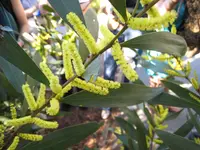
Pinch back soft shoot tips in early spring to 2–3 leaf pairs to encourage a denser framework and more flowering branches later in the season.

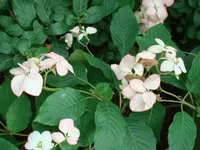
Mussaenda philippica, commonly called queen of Philippines, is a tropical evergreen shrub known for its showy, leaflike bracts surrounding small star-shaped flowers. It typically forms a dense, upright to spreading bush that can be trained as a large shrub or small ornamental tree in warm climates.
This plant is native to the Philippines and other parts of Southeast Asia, where it grows in warm, humid, frost-free conditions. Its lush foliage and long-lasting bracts make it attractive but slightly demanding, as it dislikes cold, drought, and neglect.
It generally prefers bright light, consistent moisture, and fertile, well-drained soil, so understanding how to care for queen of Philippines helps maintain strong growth and flowering.

Care Difficulty
Moderate Care

Light Preference
Partial Sun

Water Requirements
Regular Water

Temperature Preference
Tropical / Frost Sensitive

Hardiness Zone
10–11

Soil Texture
Loamy, Sandy, Organic-rich

Soil pH
Acidic (5.5–6.5), Slightly acidic (6.5–7.0)

Soil Drainage
Moist but well-drained

Fertilization
Moderate (every 2–4 weeks)
Scan your plant to receive care tips personalized for your specific plant
Available on iOS and Android
This tropical shrub needs bright outdoor light to flower well without scorching its foliage.
This species prefers consistently moist but not waterlogged soil for healthy roots and flowering.
This tropical shrub thrives in warm, frost-free conditions throughout the year.
This shrub prefers warm, humid air and reacts quickly to dry indoor conditions.
Mussaenda philippica grows best in consistently moist, well-aerated soil that drains freely but does not dry out fast.
This species adapts well to container growing when the pot setup supports its vigorous, top-heavy growth.
Mussaenda philippica responds well to modest, consistent feeding during its active growing season.
Pruning helps keep Mussaenda philippica compact, branching well, and flowering on vigorous new growth.
This shrub is often grown in the ground but can be container-grown and moved or transplanted as it outgrows its space.
Mussaenda philippica is most commonly propagated from semi-hardwood stem cuttings taken during warm months.
This tropical shrub is frost-sensitive and needs protection in climates with cool or freezing winters.

Plant Health Check
Not sure what's wrong with your plant? Check your plant's health inside the app.
What look like large pastel petals on this shrub are actually enlarged sepals, called bracts, that surround the small tubular flowers and act as visual lures for pollinators.
Flowering in this species is strongly influenced by warm temperatures and relatively stable tropical daylength, so it performs and blooms far more reliably in frost-free, low-latitude climates.
This species has produced numerous ornamental forms with bracts in white, pink, red, or apricot tones, making it one of the most commonly bred and traded mussaendas for gardens in Southeast Asia and tropical regions worldwide.

In the Philippines, selected forms of this species have been officially named and promoted as ornamental symbols in some localities, and the shrub is popularly known as queen of Philippines due to its showy, crown-like bracts around the flowers.
Lack of blooms usually comes from insufficient light, heavy pruning at the wrong time, or low nutrients. Avoid cutting new shoots before flowering, feed with a balanced fertilizer, and ensure warm conditions to support bud formation when growing queen of Philippines.
Keep your plants happy and healthy with plant identification, disease detection, and easy care guidance.