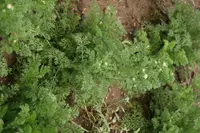
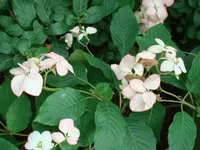
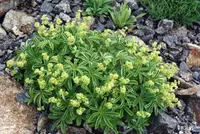
Pink Djirrie Care (Rogeria adenophylla)

About Pink Djirrie

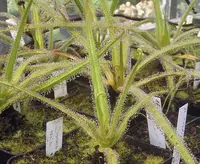
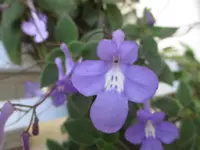
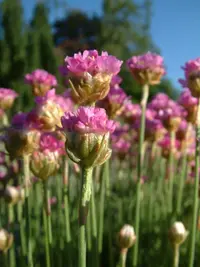
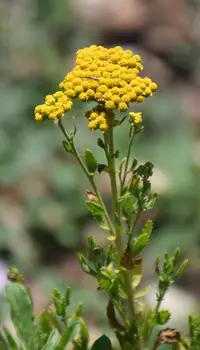
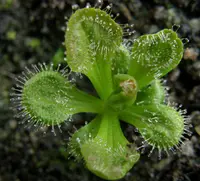
Pink Djirrie, Rogeria adenophylla, is a compact, often cushion-forming perennial known for its small, densely clustered leaves and delicate, usually pale pink flowers. It tends to grow low to the ground and slowly spreads, giving it a neat, mounded appearance that suits rock gardens and containers.

This species is native to arid and semi-arid regions of South America, so it is naturally adapted to bright light and well-drained, often rocky soils. Its drought tolerance makes it relatively low-maintenance once established but less forgiving of waterlogged conditions.

Gardeners who care for Pink Djirrie should focus on providing strong light, good air circulation, and soil that dries between waterings to support healthy, compact growth.

Main Plant Requirements

Care Difficulty

Moderate Care

Light Preference

Partial Sun

Water Requirements

Moderate Water

Temperature Preference

Warm Climate

Hardiness Zone

Unknown

Soil Texture

Sandy, Loamy, Rocky

Soil pH

Acidic (5.5–6.5), Slightly acidic (6.5–7.0)

Soil Drainage

Well-drained

Fertilization

Minimal (feed rarely)

Get Personalized Care Plan

Scan your plant to receive care tips personalized for your specific plant

Available on iOS and Android

How to Care for the Pink Djirrie

This species prefers bright, open conditions with protection from extreme midday sun.

  • Provide 4–6 hours of direct morning sun, then light afternoon shade or filtered light, especially in hotter regions where Pink Djirrie can scorch in intense sun.
  • In cooler climates, it tolerates full sun if soil moisture is adequate, but monitor leaves for bleaching or crispy edges as signs of excess exposure.
  • During shorter winter days, ensure at least 3–4 hours of unobstructed light, thinning nearby growth if necessary to reduce deep shade that weakens stems.

Watering should balance brief surface dryness with consistent subsoil moisture.

  • Allow the top 2–4 cm of soil to dry between waterings, then soak thoroughly so moisture reaches the root zone without leaving the site soggy.
  • In active growth and flowering, increase watering frequency, while in cooler months reduce it, watching the soil rather than the calendar for Rogeria adenophylla.
  • Yellowing, soft leaves and a sour soil smell indicate overwatering and poor drainage, while dull, wilting foliage and very light soil suggest underwatering.

Stable mild to warm conditions support strong growth and flowering.

  • Aim for 65–80°F (18–27°C) during the growing season, when stems elongate and flowering potential is highest.
  • Protect plants from temperatures below 35–40°F (2–4°C), since prolonged exposure near freezing or any frost can damage foliage and young shoots.
  • Short periods up to 90°F (32°C) are tolerated if soil moisture is maintained, but extended heat above this range can slow growth and increase stress.

Rogeria adenophylla prefers moderately dry air and usually does not need special humidity control.

  • Aim for 30–50% humidity, similar to most heated indoor homes.
  • Plant tolerates brief dips below 30% but may show brown, crisp leaf edges if air stays very dry.
  • Increase humidity only if leaves shrivel by grouping plants or placing the pot on a pebble tray with water below the pot base.

Rogeria adenophylla grows best in a sharply drained, mineral-based mix that prevents waterlogging.

  • Use a gritty blend such as 50–60% coarse sand or fine gravel with the rest split between loam and a small amount of compost.
  • Ensure very fast drainage; water should run through the pot in seconds, leaving no soggy pockets.
  • Keep pH slightly acidic to neutral (pH 6.0–7.0), avoiding strongly alkaline or saline substrates.
  • Improve aeration with added pumice or perlite and avoid heavy clay, peat-heavy, or compacted mixes that stay wet for many hours.

This species is well suited to container culture, especially in dry or rocky-style plantings.

  • Choose a wide, shallow pot to accommodate the relatively shallow root system and keep the crown slightly above the mix surface.
  • Use a heavy clay or ceramic container to prevent tipping when the top growth is fuller or exposed to wind.
  • Check that drainage holes never sit directly in a saucer of water to avoid prolonged saturation around the fine feeder roots.

Rogeria adenophylla is adapted to low-nutrient soils and usually needs only light feeding in cultivation.

  • Use a balanced, low-strength liquid fertilizer (such as 10-10-10) diluted to 25–50% during active spring–summer growth if foliage looks pale or growth is weak.
  • Apply every 4–6 weeks at most, always onto pre-watered soil to reduce root burn risk.
  • Pause feeding in fall and winter when growth slows, as Pink Djirrie is less able to use added nutrients.
  • For a gentler option, top-dress with a thin layer of well-rotted compost in spring instead of frequent liquid feeding.

Rogeria adenophylla benefits from light, targeted pruning mainly to maintain health and a balanced outline.

  • Schedule pruning for late winter or very early spring before vigorous new growth starts.
  • Remove dead, diseased, or storm-damaged stems first, cutting back to healthy wood with clean, sharp hand pruners.
  • Thin congested interior shoots to improve light and air flow, which supports healthier foliage and flowering.
  • Shape the canopy gradually by shortening overly long shoots rather than making heavy cuts in a single season.

This species is usually grown in the ground, so focus on careful transplanting rather than frequent container repotting.

  • Plan transplanting for early spring or early fall, when temperatures are mild and soil moisture is stable.
  • Move the plant only when growth is clearly slowed, roots are circling a pot, or space is limiting canopy development.
  • Dig a wide planting hole, keep as much of the root ball intact as possible, and set at the same soil depth as before.
  • Water thoroughly after transplanting, then keep soil evenly moist but not waterlogged for several weeks to limit transplant shock.

Rogeria adenophylla is typically propagated by seed, with vegetative methods used less often.

  • Collect mature seeds and sow in late winter to early spring in a free-draining, sandy mix.
  • Provide 65–75°F temperatures, consistent light moisture, and bright, indirect light to support germination.
  • Use semi-ripe stem cuttings in late spring or summer, placing them in a gritty, well-aerated medium.
  • Cover cuttings with a clear humidity dome or plastic tent while ensuring some ventilation to reduce rot.

This plant is moderately cold tolerant but may need some winter attention in colder regions.

  • In climates with hard frost, apply a 5–8 cm mulch layer around the root zone in late fall, keeping it slightly away from the stem.
  • For young or marginally hardy plants, wrap the lower stems with breathable horticultural fleece during the coldest nights.
  • Container-grown specimens in frost-prone areas should be moved to a cool, bright, frost-free space until temperatures stabilize.

Care Tips

Rocky root zone

Plant into a shallow, very gritty mix over larger stones or scoria so the crown sits high and excess water drains away from the root neck, which greatly reduces rot in this alpine species.

Winter moisture control

In climates with wet winters, place containers under a simple rain shield or in a cold frame so the soil stays almost dry while the plant is dormant, mimicking its naturally dry resting period.

Gentle air circulation

Position pots where there is constant but gentle air movement, such as an open cold frame vent, to keep leaves dry and limit fungal issues without stressing the plant with strong winds.

Careful top-dressing

Apply a 0.5–1 cm layer of fine grit or sharp sand around the base each spring to keep the crown dry, prevent soil splash on the foliage, and suppress moss and algae that can smother young shoots.

Seed collection timing

Monitor fading flowers closely and collect seed as capsules just begin to dry and split, then sow promptly in a cool, gritty medium, which is often the most reliable method for growing Pink Djirrie long term.

Common Pests and Diseases

Spider mites

This pest often appears in warm, dry indoor conditions and can cause fine stippling, dull foliage, and webbing on Rogeria adenophylla leaves. Symptoms include slow decline and leaf drop when infestations are heavy.

Solution

Rinse foliage thoroughly under a gentle stream of lukewarm water, including leaf undersides, then allow the plant to dry in bright, indirect light; repeat every few days for several cycles. For persistent cases, use a ready-to-use insecticidal soap or neem oil spray, applied to all leaf surfaces and stems, and increase humidity and air movement to make conditions less favorable for mites.

Mealybugs

These insects hide in leaf axils and along stems, producing white cottony masses and sticky honeydew that can lead to sooty mold on leaves. This pest weakens shoots and can stunt new growth on compact rosettes and cushion-like clumps typical when you grow Rogeria adenophylla in pots or troughs.

Solution

Isolate the plant, then dab visible insects with cotton swabs dipped in 70% isopropyl alcohol and remove any heavily infested segments. Follow with repeated treatments of insecticidal soap or neem oil every 7–10 days, ensuring good coverage of tight leaf clusters, and inspect neighboring plants to prevent re-infestation.

Leaf spot

This disease causes small, dark, water-soaked or tan lesions on the leaves that may coalesce into larger blotches, reducing the ornamental value of the compact foliage. Symptoms include premature yellowing and drop of affected leaves under humid, stagnant air conditions.

Solution

Remove and discard affected leaves, avoid overhead watering, and water at the base in the morning so foliage dries quickly. Improve air circulation around the plant and, if the problem progresses, apply a labeled broad-spectrum ornamental fungicide according to directions, targeting both upper and lower leaf surfaces.

Powdery mildew

This disease shows as a white to gray powdery coating on leaves and stems, which can cause distortion, reduced growth, and reduced flowering in cushion-forming plants grown in partial shade or crowded containers. Symptoms include dull, tired-looking foliage even when the plant is otherwise well-watered.

Solution

Increase air movement, avoid crowding plants, and water the soil rather than the foliage. Remove heavily affected leaves and treat remaining foliage with a sulfur-based or potassium bicarbonate fungicide labeled for ornamentals, repeating at intervals recommended on the product label until new growth appears clean.

Interesting Facts

Specialized desert shrub

Rogeria adenophylla is a small shrub native to the Atacama region of northern Chile, where it grows in extremely arid, high-radiation environments that only a limited number of plant species can tolerate.

Glandular leaf surfaces

The leaves and young stems have glandular (secretory) hairs, which give them a slightly sticky texture and are thought to help reduce water loss and protect tissues from intense sun and wind-blown particles.

Showy tubular flowers

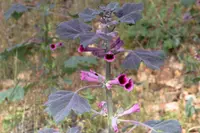
It produces pink to purplish tubular flowers that are adapted to attract specific pollinators in its native habitat, contributing to reproduction in an ecosystem where pollinating insects are relatively sparse.

FAQs about Pink Djirrie

Lack of flowers usually comes from insufficient light, nutrient-poor soil, or stress after repotting or pruning. Ensure stable conditions, moderate feeding, and avoid cutting healthy stems just before the usual flowering period.

Grow Healthy Plants with Botan Care

Keep your plants happy and healthy with plant identification, disease detection, and easy care guidance.

Botan plant care app — identify plants on mobile

Explore More Plants