Whittaker's sundew Care (Drosera whittakeri)

Whittaker's sundew

About Whittaker's sundew

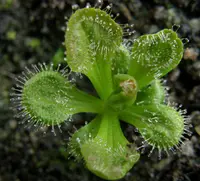
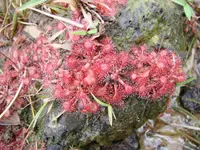
Whittaker's sundew (Drosera whittakeri) is a small, rosette-forming carnivorous plant native to southern Australia. It grows close to the ground, with flat leaves arranged in tight circles. The leaves are covered in sticky, glistening hairs that trap small insects, which the plant digests to supplement nutrients from its often poor, sandy soils. In season, it produces delicate white flowers on slender stalks held above the leaves. This species prefers bright light, consistently damp, low‑nutrient substrate and clean, mineral‑poor water. For those who learn how to care for Whittaker's sundew and provide cool, moist conditions, it can be a manageable carnivorous species.

Main Plant Requirements

Care Difficulty

Hard Care

Light Preference

Full Sun

Water Requirements

Aquatic

Temperature Preference

Cool Climate

Hardiness Zone

8–10

Soil Texture

Sandy, Peaty, Organic-rich

Soil pH

Strongly acidic (4.5–5.5)

Soil Drainage

Waterlogged tolerant

Fertilization

Minimal (feed rarely)

Get Personalized Care Plan

Scan your plant to receive care tips personalized for your specific plant

Available on iOS and Android

How to Care for the Whittaker's sundew

This winter-growing sundew needs strong light to form compact, colorful rosettes.

  • Provide 4–6 hours of direct morning sun plus bright light the rest of the day; in very hot regions, give light afternoon shade to avoid scorching of leaves and dew.
  • Tolerates light, dappled shade, but plants in too much shade develop pale, elongated leaves and reduced sticky secretion for trapping insects.
  • In summer dormancy, protect Whittaker's sundew from intense, all-day sun; partial shade helps prevent overheating of the resting tubers.

Watering for this tuberous sundew must respect its distinct wet winter and dry summer cycle.

  • During active winter growth, keep the soil consistently moist to wet, never allowing more than the top 0.5–1 cm to dry, using low-mineral rain, distilled, or RO water.
  • Avoid waterlogged, stagnant conditions; if foliage yellows or turns mushy while soil feels saturated, reduce watering slightly and improve drainage in the sandy, open mix.
  • In summer dormancy, when leaves die back, allow the soil to dry almost completely, giving only very light, infrequent sips to prevent shriveling of Drosera whittakeri tubers.

This species is adapted to cool, wet winters and hot, dry summers in its native habitat.

  • Aim for cool-season growth at 50–68°F (10–20°C), with brief drops to 40°F (4°C) tolerated if soil is not waterlogged and air circulation is good.
  • Mature tubers survive short light frosts near 32°F (0°C), but repeated hard freezes below 28°F (-2°C) can damage crowns, so use mulch or overhead protection in exposed sites.
  • In summer dormancy, plants tolerate 86–95°F (30–35°C) if the pot or soil does not overheat; avoid extreme heat above 100°F (38°C) which can cook shallow tubers.

This species prefers moderately humid air but adapts to typical indoor levels if the root zone stays wet.

  • Aim for 40–60% humidity; brief dips lower than 35% are tolerated if the substrate does not dry out.
  • Fine tentacles curling weakly or drying at the tips indicate humidity or moisture stress.
  • Increase humidity with nearby water trays or grouped plants rather than enclosing Whittaker's sundew in stagnant, sealed covers.

Use a nutrient-poor, open, and consistently wet mix that mimics bog conditions for Drosera whittakeri.

  • Choose a base of 50–70% unfertilized sphagnum peat or finely milled sphagnum with 30–50% silica sand or perlite for structure.
  • Maintain a loose, airy texture so water drains slowly but does not leave the roots standing in stagnant, foul-smelling water.
  • Target a slightly acidic pH around 4.5–5.5 by avoiding lime, compost, or fertilized potting mix, which raise pH and add nutrients.
  • Avoid bark, manure, standard potting soil, and slow-release fertilizers, which burn the roots and disrupt this carnivorous plant’s trapping surfaces.

This species is suitable for container growing when the pot maintains a cool, evenly wet root zone.

  • Use a relatively deep pot, about 10–15 cm, to protect the tuber from surface temperature swings and drying.
  • Select plastic or glazed ceramic containers, which slow evaporation and keep the bog-style mix wet longer than unglazed clay.
  • Stand the pot in a shallow tray of rainwater or distilled water, allowing only the bottom 1–2 cm of the pot to sit in water.

This carnivorous species gains most nutrients from captured insects, so Drosera whittakeri needs little to no conventional fertilization.

Pruning Drosera whittakeri focuses on hygiene and keeping rosettes open to light and air.

  • Cut away dead or blackened leaves throughout the growing season using small, clean scissors or tweezers.
  • Remove spent flower stalks at the base if seed is not needed, to conserve energy for leaf and root growth.
  • Thin congested or overlapping rosettes gently, taking only clearly weakened tissue to avoid stressing the plant.

Container-grown plants benefit from occasional repotting to refresh the nutrient-poor, acidic mix they require.

  • Check for roots circling the pot, slow growth, or compacted, algae-covered peat as signs Drosera whittakeri needs new substrate.
  • Repot every 2–3 years in late summer to autumn, when growth slows but before full winter dormancy.
  • Use a low-mineral mix such as 1:1 peat and perlite or sand, and water thoroughly with rain or distilled water after repotting.
  • Handle tubers and roots very gently, keeping them moist at all times to limit shock and avoid mechanical damage.

Propagation of this tuberous sundew is possible but requires careful handling and suitable seasonal timing.

  • Divide tubers in late summer to early autumn, just before new growth starts, selecting only firm, healthy pieces.
  • Plant tuber divisions shallowly in fresh, low-mineral carnivorous-plant mix and keep evenly moist, not waterlogged.
  • Grow Drosera whittakeri from seed by sowing on the surface of damp peat-sand mix and avoiding any covering layer.
  • Provide bright light, cool nights, and consistent moisture to support germination and early rosette development.

This species forms underground tubers and enters dormancy, giving reasonable cold tolerance when kept in suitable soil conditions.

  • Allow leaves to die back naturally as winter dormancy develops, then reduce watering so the mix stays barely moist.
  • In cold regions, mulch outdoor containers lightly to insulate tubers from repeated freeze–thaw cycles.
  • Move small pots under cover in climates with prolonged hard frost, keeping them cool but above severe freezing.

Care Tips

Winter rest timing

Allow the plant to form its tight resting buds and keep the pot just barely moist during late summer–autumn so the natural dormancy is not disrupted and new season growth starts strongly.

Shallow potting strategy

Use a wide, shallow container 8–12 cm deep to match the plant’s natural growth habit and reduce the risk of waterlogging around the resting tubers.

Top‑dressing control

Keep the surface free of moss and algae by gently lifting them off with tweezers, since a clean surface improves air flow around the crown and reduces rot during dormancy.

Insect feeding management

Place the plant outdoors in mild weather for a few hours on still, insect-active days so it can catch natural prey rather than hand‑feeding, which lowers the risk of mold on dead insects.

Labeling and rotation

Label pots clearly with location and dormancy dates, and rotate them by 90° every few weeks in active growth to keep rosettes symmetrical and make tracking seasonal patterns in caring for Whittaker's sundew easier.

Common Pests and Diseases

Aphids

These insects feed on the plant’s tender leaves and flower stalks, sucking sap and sometimes spreading fungal spores. Symptoms include distorted new growth, sticky residue, and clusters of small insects on stems or leaf bases.

Solution

Rinse plants gently with rainwater or distilled water to dislodge aphids, taking care not to damage the sticky traps. For persistent infestations, use a dilute insecticidal soap safe for carnivorous plants and improve air movement around the plant to discourage reinfestation.

Fungus gnats

These insects are attracted to constantly moist carnivorous plant substrates and lay eggs in the media. Larvae can damage fine roots and disturb the plant’s resting tuber, especially in poorly drained or organic-heavy mixes.

Solution

Allow the surface of the potting mix to dry slightly between waterings during the active growing season, while keeping the tuber zone moist. Use yellow sticky traps for adults and, if needed, apply a biological control such as Bacillus thuringiensis israelensis (BTI) to the water used for tray watering.

Botrytis blight

This disease appears as grey, fuzzy mold on old leaves, dead insects, or damaged tissue, especially in cool, stagnant air. Symptoms include browning, water-soaked spots, and collapse of affected leaves or flower stalks.

Solution

Remove and discard all affected leaves and spent insect prey, and improve air circulation while avoiding direct drafts. Keep foliage drier by watering from below, and if conditions remain humid and cool, use a low-toxicity fungicide labeled for ornamental plants, applied carefully to avoid wetting the leaf glands more than necessary.

Rhizoctonia tuber rot

This disease attacks the underground tuber, especially when grown in overly wet, warm, or organic-rich media. Symptoms include sudden collapse of aboveground rosettes and failure to resprout after dormancy, with the tuber showing brown, dry or spongy decay.

Solution

Discard severely affected plants and any obviously contaminated media, then repot remaining healthy tubers into a fresh, low-nutrient, well-aerated mix such as sand and peat. Maintain cool, well-drained conditions, avoid overwatering during dormancy, and ensure clean pots and tools to reduce reinfection risk as part of careful Drosera whittakeri plant care.

Interesting Facts

Winter-growing strategy

This species is a temperate tuberous sundew from southern Australia that grows actively in cool, wet winters and retreats to an underground tuber during the hot, dry summer dormant period.

Rosette trap design

The plant forms a flat, ground-hugging rosette whose sticky leaves lie close to the soil surface, an adaptation that targets small crawling insects rather than flying ones.

Nocturnal flower opening

Its pale flowers often open in the late afternoon or evening, a pattern thought to align with the activity of specific native pollinators while reducing the risk of trapping them in the sticky leaves.

Botan icon

Did you know?

Drosera whittakeri is one of relatively few carnivorous plants with a true underground storage tuber, allowing it to survive extended periods of drought and fire in its native South Australian and Victorian habitats by remaining fully dormant beneath the soil surface.

FAQs about Whittaker's sundew

This species usually performs best outdoors in cool, bright, frost-prone climates that mimic southern Australian conditions. Indoors it often struggles with low light and stagnant air, so successful Whittaker's sundew indoor care is relatively challenging.

Grow Healthy Plants with Botan Care

Keep your plants happy and healthy with plant identification, disease detection, and easy care guidance.

Botan plant care app — identify plants on mobile

Explore More Plants