Water Tray Management
Use a shallow tray with 0.5–1 in of rain, distilled, or reverse-osmosis water and allow it to nearly dry before refilling to avoid long-term stagnation while keeping roots consistently moist.

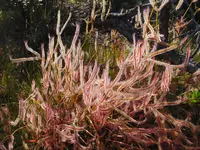
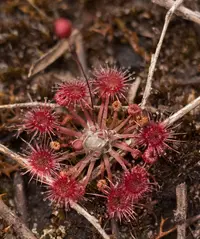
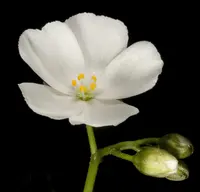
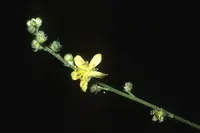
Forked sundew (Drosera binata) is a carnivorous, bog-dwelling plant known for its branching, forked leaves covered in sticky, glistening tentacles. It traps small insects on these dew-like droplets to supplement nutrition in nutrient-poor habitats.
This species naturally occurs in Australia and New Zealand, where it often grows in sunny, wet, acidic environments. In cultivation it forms graceful clumps and can become quite large under stable, bright conditions.
Drosera binata is considered moderately easy for growers who understand carnivorous plant basics. It demands consistently moist, low-mineral substrate and good light, so learning how to care for Forked sundew is important for long-term success.

Care Difficulty
Moderate Care

Light Preference
Full Sun

Water Requirements
Keep Soil Moist

Temperature Preference
Cool Climate

Hardiness Zone
8–11

Soil Texture
Sandy, Peaty, Organic-rich

Soil pH
Strongly acidic (4.5–5.5)

Soil Drainage
Waterlogged tolerant

Fertilization
Minimal (feed rarely)
Scan your plant to receive care tips personalized for your specific plant
Available on iOS and Android
This carnivorous species needs strong, consistent light to produce healthy red traps and sticky dew.
This bog plant prefers constantly wet, low‑mineral conditions that mimic its natural marshy habitat.
This species grows best in mild, frost‑free conditions with moderate seasonal variation.
This species prefers moderately humid air but adapts to typical indoor levels if other needs are met.
This carnivorous species needs nutrient-poor, airy, consistently moist substrate rather than standard potting soil.
This species is well suited to container growing when the pot supports its wet, low-nutrient conditions.
Drosera binata gains most nutrients from insects, so use fertilizers sparingly to avoid root and leaf damage.
Drosera binata benefits from light pruning to keep the clump tidy and support healthy new growth.
This species adapts well to containers and occasional repotting helps maintain vigorous growth.
Drosera binata is commonly propagated by division, leaf cuttings, and seeds under suitable conditions.
Drosera binata often experiences a cool dormancy, and winter care depends on local climate and container use.

Plant Health Check
Not sure what's wrong with your plant? Check your plant's health inside the app.
This species develops repeatedly forked leaves, forming a branching pattern that can resemble antlers, a trait not seen in most other sundews. The number of forks often increases as the plant matures, creating a highly efficient insect-trapping surface.
Native to southeastern Australia, it grows actively in the warmer months and often slows or partly dies back in cooler or drier periods. In its habitat it helps control small flying insect populations around wet, open sites such as peat bogs and seasonally wet sands.
Its long leaf tentacles secrete both sticky mucilage and digestive enzymes, allowing it to capture and digest relatively large or agile prey compared to many other small sundews. The tentacles can slowly bend toward struggling insects, increasing contact and digestion efficiency.

Some forms of Drosera binata can develop very long, extensively forked leaves that may exceed 30–40 cm in length in ideal outdoor conditions, making them among the largest and most visually complex foliage structures in the sundew genus.
Browning usually comes from low humidity, intense direct sun, mineral buildup from tap water, or old age of individual leaves. Use rain or distilled water, keep the soil wet, and remove only fully dead foliage.
Keep your plants happy and healthy with plant identification, disease detection, and easy care guidance.