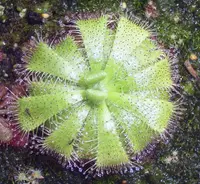
Drosera porrecta Care

Drosera porrecta

About Drosera porrecta

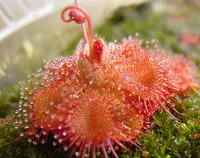
Drosera porrecta is a carnivorous sundew native to nutrient-poor, seasonally wet habitats of southwestern Australia. It forms tall, upright stems lined with narrow leaves covered in sticky, glistening glands that trap small insects for nutrition.

This species has a distinct, somewhat architectural growth habit compared with many low-growing sundews, which can make it attractive to collectors with some prior carnivorous plant experience. It prefers bright light, consistently moist conditions, and low-mineral, acidic substrates. Understanding how to care for Drosera porrecta becomes easier once its need for clean water and a pronounced seasonal cycle is recognized.


Main Plant Requirements

Care Difficulty

Hard Care

Light Preference

Full Sun

Water Requirements

Aquatic

Temperature Preference

Warm Climate

Hardiness Zone

10–11

Soil Texture

Sandy, Peaty, Organic-rich

Soil pH

Strongly acidic (4.5–5.5)

Soil Drainage

Waterlogged tolerant

Fertilization

Minimal (feed rarely)

Get Personalized Care Plan

Scan your plant to receive care tips personalized for your specific plant

Available on iOS and Android

How to Care for the Drosera porrecta

This sundew needs strong light to form abundant, sticky traps and maintain healthy color.

  • Provide 6–8 hours of direct morning sun plus bright light the rest of the day; in very hot climates, shift to filtered light after midday to prevent leaf scorch.
  • Tolerates light, dappled shade, but prolonged low light leads to pale leaves, weak dew production, and elongated, floppy growth.
  • In summer, monitor for bleaching or crisping on exposed leaves; in winter, move Drosera porrecta to the brightest frost-free position to compensate for shorter days.

This carnivorous plant prefers continuously moist, low-mineral conditions rather than alternating wet and dry cycles.

  • Keep the rooting zone damp to wet at all times; do not allow the soil surface to dry more than 2–3 mm, as traps lose dew and leaf tips may brown.
  • Use rainwater, distilled water, or reverse osmosis water; mineral-rich tap water can cause leaf burn, salt crust on the surface, and gradual decline.
  • In warm weather, increase watering or tray depth so the lower medium stays saturated, while in cooler seasons reduce water slightly to avoid stagnant, sour-smelling soil that signals oxygen deprivation.

Temperature strongly influences growth rate, dew production, and seasonal behavior in this species.

  • Aim for 65–80°F (18–27°C) during active growth, as this range supports strong foliage and reliable insect capture.
  • Protect from frost; brief drops to 40°F (4°C) may be tolerated, but freezing conditions can damage crowns and dormant buds, especially in wet, exposed sites.
  • In heat waves above 90°F (32°C), provide light shade and good air movement; if nights stay above 75°F (24°C), growth may slow and leaves can lose dew until conditions moderate.

This species prefers consistently moist air but tolerates brief dips if the roots stay wet.

  • Target 60–80% humidity; plant growth and dew production decline noticeably below 50%.
  • In drier rooms, leaves may curl inwards, dew beads shrink, and traps look dull or crusty.
  • Increase humidity with a nearby water tray, grouped pots, or a loose clear cover that still allows air movement.

Use a very low-nutrient, airy, and consistently wet medium for Drosera porrecta to protect its sensitive roots.

  • Choose a mix of 1:1 sphagnum peat moss and silica sand or perlite to create a loose, open structure.
  • Ensure the medium stays wet but not waterlogged by using a deep pot that allows vertical drainage through the mix.
  • Keep pH mildly acidic around 4.5–5.5, which suits carnivorous plant roots and limits nutrient availability.
  • Avoid compost, fertilizers, bark, or standard potting soil, which add minerals that can burn roots and weaken growth.

This species is suitable for container growing when pots are chosen to support its tall, wiry stems.

  • Use a tall, narrow pot so the long roots remain cool and evenly wet while the crown stays above standing water.
  • Select plastic over clay to slow evaporation and maintain the constantly damp conditions this carnivorous species needs.
  • Place the container in a stable tray or cachepot to prevent tipping as stems elongate and shift the plant’s center of gravity.

This carnivorous species obtains most nutrients from prey, so Drosera porrecta needs only minimal supplemental fertilization, if any.

  • If growth is weak in nutrient-poor media, use a very dilute orchid or carnivorous plant fertilizer at 1⁄4–1⁄8 strength.
  • Apply only during active growth in spring–summer, no more than every 4–6 weeks.
  • Feed via soil drench, never on the leaves, to avoid damaging the sticky traps.
  • Do not fertilize during dormancy; keep the medium clean and low in minerals.

Pruning needs for Drosera porrecta are light and mainly focused on hygiene and maintaining healthy growth.

  • Best time is late winter to early spring, before strong new growth starts.
  • Remove dead, blackened, or damaged leaves at the base with small, clean scissors or forceps.
  • Thin out crowded, older rosettes only if rot or airflow problems appear.
  • Hygienic pruning reduces fungal issues and keeps new leaves well exposed to light.

This species prefers stable conditions, so repotting or transplanting Drosera porrecta is done infrequently and with care.

  • Repot when roots circle the pot, medium compacts, or growth becomes noticeably slower.
  • Plan repotting for late winter or very early spring, before vigorous growth resumes.
  • Typical frequency is every 2–3 years, mainly to refresh the low-mineral, airy substrate.
  • Keep the original root ball as intact as possible, water gently afterward, and shade from strong sun for 3–5 days to limit stress.

Propagation of Drosera porrecta is possible for patient growers but requires stable, humid, low-mineral conditions.

  • Sow fresh seeds in late winter–spring on the surface of moist peat-sand mix; do not cover them.
  • Provide bright light, high humidity, and temperatures around 60–75°F to support germination.
  • Use leaf cuttings on damp sphagnum, keeping them under high humidity until plantlets form.
  • Avoid disturbing tiny seedlings; pot them on only when roots and several leaves are well developed.

This species dislikes hard frost, so winter care focuses on temperature control and stable, moist substrate.

  • In regions with frost, grow in containers and move plants indoors or into a cool greenhouse before temperatures drop below 40°F.
  • Maintain cool but frost-free conditions around 40–55°F during dormancy.
  • Keep the medium just moist, not waterlogged, as growth slows significantly.
  • Avoid cold drafts and sudden temperature swings to reduce stress on dormant crowns.

Care Tips

Seasonal dormancy handling

Allow a cool, drier dormancy in summer by gradually reducing water depth in the tray and giving the plant access to slightly lower night temperatures, then resume wetter conditions when new growth points appear at the end of dormancy.

Tray water management

Use a shallow tray and let it periodically dry to just damp before refilling, which encourages deeper, healthier root systems and reduces the risk of stagnant, anaerobic conditions in tall pots.

Tall pot selection

Grow this tuberous sundew in deep, narrow pots (20–30 cm) to give the underground tuber room to develop and to keep the root zone cooler and more stable in fluctuating room temperatures.

Minimal disturbance repotting

Repot only when the plant is fully dormant, carefully sliding the soil mass out of the pot and handling it like a solid plug to avoid damaging the fragile tuber and fine roots.

Controlled feeding strategy

Offer very small, soft-bodied insects every 2–3 weeks during active growth and remove any oversized prey within 24 hours to prevent mold, which is one of the most common issues when growing Drosera porrecta in enclosed or still-air setups.

Common Pests and Diseases

Aphids

These insects cluster on young flower stalks and leaf bases, sucking sap and weakening the plant, which can deform new growth and reduce mucilage production.

Solution

Rinse affected areas gently with rainwater or distilled water and remove heavily infested flower stalks. If needed, apply a dilute insecticidal soap only to the pests, avoiding contact with the soil, and repeat at 5–7 day intervals while monitoring for reinfestation as part of broader Drosera porrecta care instructions.

Fungus gnat larvae

These insects live in wet peat and can chew on fine roots and the plant’s crown, stressing the plant and slowing growth in constantly saturated carnivorous media.

Solution

Use yellow sticky traps to reduce adult populations and let the tray water level drop slightly so the surface layer is not permanently flooded. In persistent cases, apply a Bacillus thuringiensis israelensis (BTI) biological treatment to the water to target larvae without harming the plant.

Botrytis blight

This disease appears as grey, fuzzy mold on old traps, dead insects, and crowded foliage, especially in cool, still, very humid air, and can spread to living tissue if not removed.

Solution

Remove and discard all dead leaves and insect remains, and increase air movement around the plants while keeping humidity moderate. In severe outbreaks, isolate affected pots and use a sulfur-based or other carnivorous-plant-safe fungicide, applied lightly and only to diseased tissue.

Powdery mildew

This disease shows as white, powdery patches on leaves and stems, often during warm days and cool, humid nights, and can reduce photosynthesis and distort new growth.

Solution

Improve air circulation, avoid overcrowding, and remove the worst-affected leaves to slow spread. If needed, apply a very light treatment with a sulfur-based fungicide suitable for carnivorous plants, testing on a small area first and avoiding spray runoff into the water tray.

Interesting Facts

Winter-rosette growth

This species forms a compact, non-carnivorous winter rosette with reduced leaves, then produces tall, erect carnivorous stems in the growing season, an adaptation to the strongly seasonal climate of southwestern Australia.

Elevated trapping strategy

The long, upright stems can raise the sticky leaves well above surrounding low vegetation, allowing the plant to trap more mobile flying and crawling insects than many ground-hugging Drosera species.

Restricted Australian range

Drosera porrecta is naturally confined to nutrient-poor, seasonally wet habitats in a limited area of southwestern Western Australia, where it grows in sandy or peaty soils that experience cool, wet winters and dry summers.

FAQs about Drosera porrecta

Brown leaves usually result from low humidity, mineral-rich tap water, or intense direct sun scorching the delicate glands. Use rain, distilled, or RO water, keep humidity moderate to high, and avoid hot midday sun exposure.

Grow Healthy Plants with Botan Care

Keep your plants happy and healthy with plant identification, disease detection, and easy care guidance.

Botan plant care app — identify plants on mobile

Explore More Plants