Rubus leightonii Care

Rubus leightonii

About Rubus leightonii

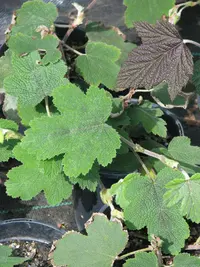
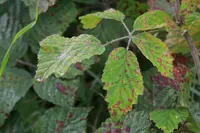
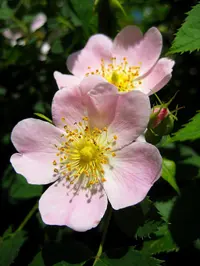
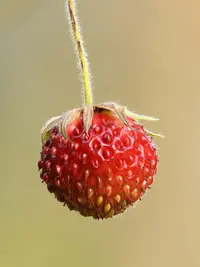
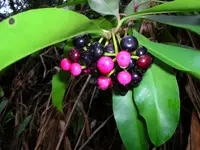
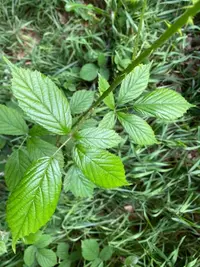
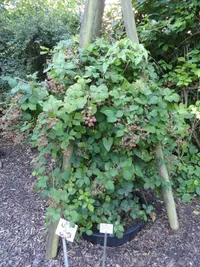
Rubus leightonii is a bramble species in the rose family, related to blackberries and raspberries. It usually forms arching, thorny canes and a dense, shrubby habit. Leaves are typically divided and mid to dark green, with white to pale pink flowers followed by aggregate fruits that resemble small blackberries. It is thought to originate from temperate regions and is often found in hedgerows, woodland edges, or similar semi-wild habitats. The plant tends to be vigorous and hardy, which makes it relatively straightforward to care for Rubus leightonii if space is available. It generally prefers sun to light shade, moisture-retentive but well-drained soil, and room for its canes to spread.

Main Plant Requirements

Care Difficulty

Moderate Care

Light Preference

Full Sun

Water Requirements

Moderate Water

Temperature Preference

Cold Hardy

Hardiness Zone

5–8

Soil Texture

Loamy, Sandy, Organic-rich

Soil pH

Acidic (5.5–6.5), Slightly acidic (6.5–7.0)

Soil Drainage

Moist but well-drained

Fertilization

Minimal (feed rarely)

Get Personalized Care Plan

Scan your plant to receive care tips personalized for your specific plant

Available on iOS and Android

How to Care for the Rubus leightonii

This bramble thrives in bright outdoor conditions with protection from extreme midday exposure.

  • Provide 6–8 hours of direct sun daily, with morning sun and light afternoon shade ideal, especially in hotter regions.
  • Plant where it receives at least 3–4 hours of unshaded light; deep shade reduces flowering and fruiting and leads to weak, leggy growth for Rubus leightonii.
  • In hot summers, shield from harsh afternoon sun with dappled shade or nearby taller plants to prevent leaf scorch and excessive soil drying.

This shrub prefers consistently moist but not saturated soil, especially during active growth and fruiting.

  • Allow the top 3–5 cm of soil to dry slightly between waterings, then water deeply so moisture reaches the full root zone.
  • Increase watering frequency in late spring and summer, watching for wilted, dull leaves or small fruit as signs the plant is too dry.
  • Improve drainage with organic matter; yellowing, soft leaves and constantly wet soil signal overwatering and risk of root rot in Rubus leightonii.

This hardy bramble tolerates a broad outdoor temperature range but performs best in moderate conditions.

  • Optimal growth occurs around 60–75°F (16–24°C) during the growing season, supporting strong canes and reliable flowering.
  • The plant is cold hardy, often tolerating winter lows near 0°F (−18°C) once established, though young plants benefit from mulch protection.
  • In hot spells above 90°F (32°C), provide soil moisture and some afternoon shade; prolonged extreme heat can reduce fruit set and stress canes.

This bramble tolerates a wide humidity range and rarely needs special humidity management outdoors.

Rubus leightonii prefers moist, well-structured soil that drains freely yet holds some organic moisture.

  • Use a loamy, crumbly structure with plenty of organic matter such as compost or well-rotted manure to support strong cane and root growth.
  • Ensure drainage is rapid enough that water does not pool after heavy rain; avoid compacted or heavy clay that stays wet for long periods.
  • Aim for slightly acidic to neutral pH around 6.0–7.0, amending alkaline soil with organic matter or elemental sulfur if needed.
  • Improve aeration and drainage in dense ground by incorporating coarse sand or fine gravel through the top 20–30 cm before planting.

This species can be grown in large outdoor containers if the pot provides enough root volume and stability for vigorous canes.

  • Choose a wide, heavy container that resists tipping once canes are supported on a trellis or wires.
  • Use a deep pot, at least 35–45 cm, so roots can explore downward and avoid drying out too quickly in summer heat.
  • Position the container where runoff can escape freely, as frequent watering in warm weather produces substantial drainage flow.

This vigorous bramble needs only light feeding in most garden soils to fruit well.

  • Apply a thin layer of garden compost or well-rotted manure around the root zone in early spring.
  • If growth or fruiting is weak, use a balanced granular or slow-release fertilizer (around 10-10-10) once in spring.
  • Keep granules off stems and foliage, then water thoroughly to move nutrients into the root zone.
  • Avoid high-dose summer feeding, and do not fertilize Rubus leightonii after late summer to prevent soft, frost-prone growth.

Thoughtful pruning keeps Rubus leightonii productive, manageable, and well-lit.

  • In late winter or very early spring, remove all dead, damaged, or diseased canes at ground level with clean, sharp loppers or pruners.
  • After fruiting, cut out spent floricanes (the canes that fruited) to make space for new primocanes.
  • Thin overcrowded new canes, leaving the strongest 5–8 per plant to improve air flow and berry quality.
  • Tie retained canes to wires or supports to maintain shape, ease harvest, and reduce wind damage.

This blackberry-type shrub is usually grown in the ground, with transplanting done only when necessary.

  • Transplant in late fall or very early spring when the plant is dormant and soil is workable.
  • Choose a sunny site with well-drained soil and space for future cane spread, following standard Rubus leightonii care instructions.
  • Lift the plant with a wide root ball, disturb roots as little as possible, and replant at the same depth.
  • Water deeply after planting, then keep soil evenly moist for several weeks to limit transplant stress.

New plants are most often produced from vegetative material rather than seed for reliable traits.

  • Use tip layering in late summer: bend a young cane tip to the soil, peg it down, and cover with 5–8 cm of loose soil.
  • Allow roots to form over several months, then sever the new plant from the parent cane and transplant while dormant.
  • Softwood or semi-ripe stem cuttings taken in late spring–summer root best in a moist, free-draining, low-nutrient medium.
  • Division of young clumps is possible in late winter, keeping several healthy buds and roots on each section.

This bramble is generally cold hardy in temperate climates and needs only modest winter care outdoors.

  • In late fall, apply 5–8 cm of organic mulch around the root zone, keeping it just clear of the crown.
  • In colder regions, lay canes along low wires and secure them to reduce wind damage and snow breakage.
  • For container-grown plants, move pots into a sheltered, unheated area and prevent the root ball from freezing solid.

Care Tips

Structured cane training

Install a sturdy trellis or wire system and tie new canes horizontally or in gentle arcs, which encourages more lateral shoots and significantly increases fruiting wood along the length of each cane.

Two-tier cane management

Maintain a clear distinction between 1-year vegetative canes and 2-year fruiting canes by labeling or color-tying them, then remove fruited canes immediately after harvest to reduce disease pressure and open the canopy to light and air.

Mulch for crown protection

Apply a 5–8 cm layer of organic mulch around but not against the crown to stabilize soil moisture, suppress weeds, and protect shallow feeder roots from heat and mechanical damage during maintenance.

Targeted pest scouting

Inspect flower clusters and the underside of young leaves weekly during active growth for aphids, spider mites, and cane borers, and prune out or destroy any infested cane sections promptly before pests spread through the planting.

Post-harvest renovation

Right after the main harvest, thin remaining young canes to the strongest 6–8 per plant and shorten excessively long tips, which focuses energy on building sturdy, well-lit canes that support higher yields when growing Rubus leightonii the following season.

Common Pests and Diseases

Raspberry beetle

This pest causes dry, misshapen berries with brownish patches where larvae have fed inside the fruit. Symptoms include small white grubs in ripening berries and reduced usable harvest.

Solution

Pick and destroy infested fruits, then lightly cultivate the soil in late winter to expose overwintering pupae to predators and cold. In spring, use fine mesh or insect netting over flowering canes, and if needed apply a targeted spinosad-based spray at early flowering, following label directions and avoiding spray during peak bee activity.

Raspberry cane blight

This disease causes dark, sunken lesions on canes, often around pruning wounds, leading to wilting and dieback of shoots above the infection point. Symptoms include poor new cane growth and brittle, easily snapping stems.

Solution

Prune out and dispose of infected canes well below visible lesions during dry weather, disinfecting tools between cuts. Avoid wounding canes, improve air circulation by correct spacing, and keep irrigation at soil level rather than wetting stems and foliage to reduce infection risk.

Raspberry root and crown weevil

This pest feeds as larvae on roots and crowns, causing weak growth, wilting in dry conditions, and eventual plant decline. Adult feeding creates characteristic notches along the edges of leaves.

Solution

Hand-pick adult weevils at night using a flashlight and shake canes over a sheet to collect them, then destroy collected insects. For larvae, apply beneficial nematodes (Steinernema or Heterorhabditis species) to moist soil in late summer or early fall according to label directions, and keep the planting area free of dense weeds and debris where adults hide.

Verticillium wilt

This disease blocks water movement in the plant, leading to one-sided wilting, yellowing, and eventual death of canes, often starting on older leaves. Symptoms include brown streaking in the vascular tissue when canes are cut open.

Solution

Remove and destroy affected plants including as much root material as possible, and avoid replanting Rubus or other susceptible crops in the same spot for several years. Improve drainage, avoid overwatering, and plant only certified disease-free stock; crop rotation with non-host plants helps reduce soil inoculum over time.

Powdery mildew

This disease produces a white, powdery coating on leaves, young stems, and sometimes fruit, leading to distorted growth and reduced yield. Symptoms include yellowing leaves and premature leaf drop in severe cases.

Solution

Increase airflow by proper spacing and pruning of crowded canes, and avoid overhead watering, especially in the evening. Remove and discard heavily infected leaves, then use a sulfur or potassium bicarbonate-based fungicide labeled for caneberries at the first sign of disease, repeating as directed to protect new growth while growing Rubus leightonii.

Interesting Facts

Hybrid blackberry origin

This plant is a complex hybrid cultivar raised by British breeder Derek L. Leighton, created by crossing several blackberry-type Rubus lines to combine large fruit size with heavy cropping.

Very large berries

It produces unusually long, conical berries for a garden blackberry, typically much larger than those of standard Rubus fruticosus cultivars, with soft, aromatic flesh suited to fresh eating and dessert use.

Vigorous, thorny growth

The canes are extremely vigorous and very thorny, forming long arching stems that need firm support and regular training to prevent dense, impenetrable thickets in cultivation.

FAQs about Rubus leightonii

This bramble spreads by arching canes and underground suckers, so it can become wide and dense over time. Use root barriers, regular pruning, and timely removal of unwanted shoots to prevent it from overtaking nearby planting areas.

Grow Healthy Plants with Botan Care

Keep your plants happy and healthy with plant identification, disease detection, and easy care guidance.

Botan plant care app — identify plants on mobile

Explore More Plants