Control Suckering Shoots
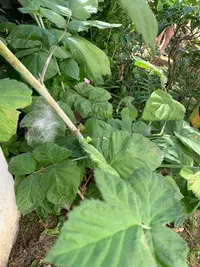
Inspect the root zone every 4–6 weeks and cut or pull up suckering shoots promptly so the plant does not form a dense, hard‑to-manage thicket.

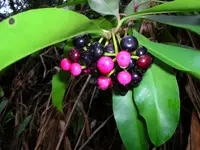
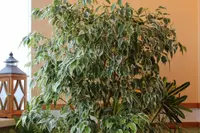
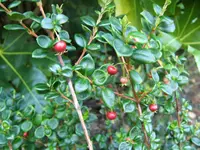
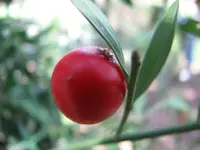
Shoebutton (Ardisia elliptica) is an evergreen shrub or small tree known for its glossy leaves and clusters of dark purple to black berry-like fruits. It often forms a dense, rounded canopy and can be grown as an ornamental hedge or container plant in warm climates.
This species is native to tropical Asia but has naturalized in many coastal and subtropical regions, where it can become invasive outdoors. It is generally resilient and adaptable, which makes it relatively easy to grow when kept in check. To care for shoebutton, provide bright light, evenly moist but well-drained soil, and protection from cold or frost.

Care Difficulty
Moderate Care

Light Preference
Partial Shade

Water Requirements
Moderate Water

Temperature Preference
Tropical / Frost Sensitive

Hardiness Zone
10–11

Soil Texture
Sandy, Loamy, Organic-rich

Soil pH
Acidic (5.5–6.5), Slightly acidic (6.5–7.0)

Soil Drainage
Moist but well-drained

Fertilization
Minimal (feed rarely)
Scan your plant to receive care tips personalized for your specific plant
Available on iOS and Android
This tropical shrub prefers bright, filtered light that mimics dappled forest conditions.
This species prefers consistently moist, not saturated, soil similar to a forest-edge habitat.
This plant performs best in warm, frost-free conditions typical of lowland tropics and subtropics.
This species prefers moderately humid air but tolerates typical indoor levels with minor adjustment.
This shrub prefers loose, moist, well-drained soil with moderate organic content.
This species adapts well to container growing when given adequate root space and drainage.
Ardisia elliptica benefits from moderate, consistent feeding during the warm growing season for steady foliage and berry production.
Thoughtful pruning helps Ardisia elliptica maintain a dense, compact canopy and encourages branching.
Container-grown plants appreciate occasional repotting or transplanting to maintain root health and steady growth.
New plants are commonly produced from both seeds and semi-ripe stem cuttings taken in the warm season.
This tropical shrub is frost-sensitive and needs protection in regions with cool or freezing winters.

Plant Health Check
Not sure what's wrong with your plant? Check your plant's health inside the app.
This species is considered a serious invasive plant in parts of Florida, Hawaii, and several tropical regions, where it escapes cultivation and forms dense thickets that outcompete native understory vegetation.
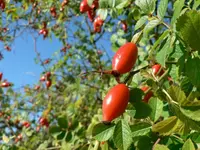
Its glossy purple to black fruits are attractive to birds, which eat the drupes and disperse the seeds over long distances, greatly aiding the plant’s spread in suitable climates.
Mature plants can fruit in relatively deep shade and produce many seedlings beneath them, creating multi-layered stands that alter light levels and understory structure in invaded habitats.
This species is listed as a Category I invasive plant by the Florida Exotic Pest Plant Council, meaning it is recognized as altering native plant communities and is not recommended for planting in that region.
This species spreads readily by seed and root suckers. In warm, frost-free regions it can form dense thickets and displace native vegetation. Many areas classify it as invasive, so check local regulations before planting outdoors.
Keep your plants happy and healthy with plant identification, disease detection, and easy care guidance.