Green Strawberry Care (Fragaria viridis)

Green Strawberry

About Green Strawberry

Green strawberry, Fragaria viridis, is a low-growing perennial herb in the rose family, related to common garden strawberries. It forms small rosettes of trifoliate leaves and spreads slowly by short runners, creating loose groundcover rather than dense mats.

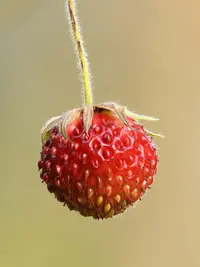
The plant occurs naturally in dry, sunny meadows, open woodlands, and calcareous grasslands across parts of Europe and western Asia. Its fruits are small, often tinged green or reddish, with a strong, sweet aroma.

Fragaria viridis is generally considered undemanding if given well-drained soil and good light. Stable conditions and avoidance of waterlogged sites are the main points in how to care for Green Strawberry.

Main Plant Requirements

Care Difficulty

Moderate Care

Light Preference

Full Sun

Water Requirements

Regular Water

Temperature Preference

Cold Hardy

Hardiness Zone

3–8

Soil Texture

Loamy, Sandy, Organic-rich

Soil pH

Acidic (5.5–6.5), Slightly acidic (6.5–7.0)

Soil Drainage

Moist but well-drained

Fertilization

Light (every 4–6 weeks)

Get Personalized Care Plan

Scan your plant to receive care tips personalized for your specific plant

Available on iOS and Android

How to Care for the Green Strawberry

This wild strawberry species prefers full sun with some tolerance for light shade, especially in warmer regions.

  • Aim for 6–8 hours of direct sun daily, with morning sun and light afternoon shade ideal to support flowering and fruiting for Green Strawberry.
  • Allow partial shade (3–4 hours sun) in hot summers, as filtered light reduces leaf scorch and keeps soil from drying too fast.
  • Watch for pale, lanky growth as a sign of too little light, and for crisp, bronzed leaf edges as a sign of excessive intense afternoon sun.

This species prefers evenly moist, well-drained soil rather than constant wetness.

  • Water when the top 2–3 cm of soil feels dry, soaking the root zone, then allow excess to drain away fully to avoid root rot.
  • In spring and early summer, monitor more often during flowering and fruiting; reduce frequency in cool, rainy periods or in autumn dormancy.
  • Watch for wilting, small berries, and dry, brittle leaves as underwatering signs; yellowing, limp leaves and a sour smell hint at overwatering in Fragaria viridis.

This hardy strawberry tolerates cool climates but grows best in mild conditions.

  • Optimal growth occurs around 60–75°F (16–24°C), with steady temperatures in this range supporting active leaf, flower, and runner production.
  • Plants survive down to about 10–15°F (-12 to -9°C) with snow cover or mulch, but repeated freeze–thaw cycles without protection can damage crowns.
  • In hot spells above 85°F (29°C), growth slows; provide mulch and some afternoon shade, since prolonged heat and dry winds can stress foliage and reduce fruit set.

This species grows well in average outdoor humidity and usually does not need special humidity control.

Fragaria viridis prefers loose, moisture-retentive but free-draining soil with moderate organic content.

  • Use a loamy mix made from garden soil, well-rotted compost, and coarse sand for structure and drainage.
  • Keep drainage high so roots never sit in stagnant water, which quickly encourages root rot.
  • Aim for slightly acidic soil, around pH 5.5–6.5, to support nutrient availability and healthy growth.
  • In heavy or compact soils, add coarse sand or fine grit to improve aeration and prevent waterlogging.

This species is well suited to container growing when the pot allows for shallow, spreading roots.

  • Choose a wide, shallow container so runners can root around the edges without crowding the center plant.
  • Use a slightly heavier pot material, such as ceramic, to keep the spreading plant stable in wind or on balconies.
  • Elevate the pot on feet or bricks so drainage holes clear freely and excess water does not pool under the container.

Fragaria viridis benefits from light, consistent feeding rather than heavy fertilization.

  • Use a balanced NPK fertilizer at half strength or apply a thin layer of compost around plants in early spring.
  • Feed every 4–6 weeks during the main growing season while plants are actively producing foliage and flowers.
  • Avoid high-nitrogen products that promote soft, leafy growth at the expense of flowers and fruit.
  • Stop feeding Green Strawberry in late summer, and do not apply fertilizer during winter dormancy.

Pruning Fragaria viridis is mainly about hygiene and controlling spread rather than shaping.

  • In late winter or very early spring, remove dead, diseased, or damaged leaves and crowns using clean scissors or hand pruners.
  • Thin crowded runners to keep plants from forming dense mats that reduce airflow and increase disease risk.
  • After fruiting, cut back old, tattered foliage to encourage fresh leaf growth and maintain plant vigor.
  • Discard infected material in household trash rather than compost to limit spread of fungal problems.

Fragaria viridis is usually grown in the ground, so focus on careful transplanting rather than frequent repotting.

  • Transplant in early spring or early fall when temperatures are mild and soil is evenly moist.
  • Move plants when growth slows, clumps become crowded, or roots circle a container and emerge from drainage holes.
  • Lift plants with a trowel, keep as much root ball intact as possible, and replant at the same soil level in enriched, well-drained soil.
  • Water thoroughly after transplanting, shade for a few days if sun is strong, and keep soil evenly moist until new growth appears.

Fragaria viridis is most commonly propagated from runners, with seed and division used less often.

  • In late spring to midsummer, select healthy runners with well-formed plantlets and pin them into loose, moist soil or small pots.
  • Once roots are established and plantlets resist gentle tugging, cut the runner connection and grow them on as individual plants.
  • For division, lift older clumps in early spring, separate healthy crowns with roots attached, and replant immediately.
  • Sow fresh seed on the surface of moist seed mix, provide cool stratification if needed, and maintain bright, indirect light for germination.

Fragaria viridis is cold hardy in many temperate climates and usually needs only modest winter care.

  • Plants tolerate typical winter frosts once established, but young crowns appreciate extra protection in exposed sites.
  • After the first hard frost, apply a 5–8 cm layer of straw or shredded leaves around crowns to insulate the root zone.
  • In very cold regions, move container plants into a cold, bright, frost-free spot and water sparingly to keep soil slightly moist.

Care Tips

Mulch For Berry Quality

Apply a 3–5 cm layer of clean straw or pine needles under plants just before flowering to keep fruits clean, reduce soil splashing, and lower the risk of gray mold on ripening berries.

Timely Runner Management

Select 2–4 strong runners per plant and peg them down into small pots or firm soil in late spring, then remove all extra runners so the mother plant does not waste energy and fruit size remains good.

Post-Harvest Renovation

Right after the main harvest, cut back old foliage to 5–7 cm, remove weak or diseased plants, and lightly cultivate between rows to reduce pests and stimulate compact, healthy regrowth for next season.

Targeted Pest Monitoring

Check flower clusters and young fruits weekly for tarnished plant bug, slugs, and spider mites, and use yellow sticky cards and simple slug traps so problems are caught at an early, manageable stage when growing Green Strawberry.

Crop Rotation Planning

Move the bed to a fresh spot every 3–4 years, avoiding ground where tomatoes, peppers, or raspberries recently grew, to lower soil-borne disease pressure and maintain productive plants.

Common Pests and Diseases

Strawberry leaf spot

This disease causes small purple spots on leaves that turn brown or gray in the center and can lead to premature leaf drop. Symptoms include weakened plants and reduced yield, especially in humid conditions.

Solution

Remove and discard heavily spotted leaves and any old plant debris to reduce fungal spores. Improve air circulation, avoid overhead watering, and if the problem is recurrent, use a labeled copper or strawberry-safe fungicide applied according to Fragaria viridis plant care recommendations for timing and frequency.

Gray mold (Botrytis)

This disease produces soft, brown areas on flowers and fruit that quickly develop a fuzzy gray mold, especially in cool, damp weather. Symptoms include berries that rot on the plant and a general decline in fruit quality.

Solution

Promptly remove and dispose of all affected fruit and spent flowers, and keep the soil surface clear of decaying plant material. Improve airflow, water at the base early in the day, and use clean straw or another dry mulch to keep fruit off wet soil; in severe, recurrent cases a strawberry-approved fungicide can be used during flowering and early fruiting.

Powdery mildew

This disease shows as a white, powdery coating on leaves, petioles, and sometimes fruit, often causing leaf curling and reduced vigor. Symptoms include slower growth and smaller, less flavorful berries.

Solution

Thin crowded plants and remove the most affected leaves to lower humidity around foliage. Water at the root zone, avoid wetting leaves, and if needed apply a sulfur or potassium bicarbonate product labeled for strawberries, following label directions closely.

Strawberry aphids

These insects are small, soft-bodied sap feeders that cluster on young leaves and flower stalks, causing curling, distortion, and sticky honeydew on plants. This pest also acts as a vector for several strawberry viruses, which can weaken Fragaria viridis stands over time.

Solution

Regularly inspect young growth and wash colonies off with a strong but controlled stream of water. Encourage or introduce natural enemies like lady beetles, remove heavily infested plant tips, and if populations remain high use an insecticidal soap or horticultural oil, making sure to coat the undersides of leaves.

Strawberry weevils

These insects, also called strawberry blossom weevils, chew holes in flower buds and may cause buds to drop before opening, which directly reduces fruit set. This pest often affects wild and cultivated strawberries growing near woodland edges or hedgerows.

Solution

Inspect flower trusses early in the season and remove and destroy clipped or damaged buds to reduce larvae. If damage is consistent each year, use physical barriers such as fine mesh over plants during early bud development and consider targeted use of a labeled insecticide timed to the adult activity period.

Interesting Facts

Aromatic wild fruits

This species produces small, pale red berries with a notably strong, sweet aroma and complex flavor, often considered more intense than that of the common garden strawberry.

Calcareous soil specialist

It is naturally associated with dry, open habitats on calcareous (lime-rich) soils such as steppe grasslands and light woodland edges, which distinguishes its ecology from many other wild strawberries.

Distinctive leaflet shape

The leaflets are typically more rounded with a more pronounced terminal tooth and a bluish‑green tone compared with related wild species, which helps botanists identify it in mixed populations.

Botan icon

Did you know?

In parts of central and eastern Europe, this species is considered an indicator plant for ancient, undisturbed grasslands and light wood pastures, so its presence can help ecologists identify long‑continuity semi‑natural habitats.

FAQs about Green Strawberry

All parts are technically edible, but the ripe berries are the main edible portion, used fresh or in jams. The flavor is aromatic but mild. Leaves are sometimes used sparingly in herbal teas, preferably young and healthy.

Grow Healthy Plants with Botan Care

Keep your plants happy and healthy with plant identification, disease detection, and easy care guidance.

Botan plant care app — identify plants on mobile

Explore More Plants