Rotate Crop Sites
Shift plantings to a new bed every 2–3 years, ideally following non-rosaceae crops, to reduce buildup of soil-borne diseases and pests that commonly affect Fragaria moschata.

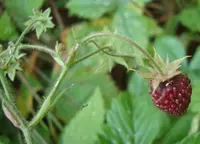
Hautbois strawberry, Fragaria moschata, is a perennial fruiting plant known for its aromatic, soft berries and slightly taller, more upright habit than common garden strawberries. It forms leafy clumps with trifoliate leaves and sends out fewer runners, so it spreads more slowly and stays relatively contained.
This species is native to parts of Europe and prefers cooler, temperate climates with mild summers. It is somewhat less vigorous and productive than modern hybrids, which can make it a bit more challenging to grow well.
To care for Hautbois Strawberry successfully, gardeners usually provide full sun to light shade, consistently moist but well-drained soil, and protection from extreme heat or drought.

Care Difficulty
Moderate Care

Light Preference
Full Sun

Water Requirements
Regular Water

Temperature Preference
Cold Hardy

Hardiness Zone
4–8

Soil Texture
Loamy, Sandy, Organic-rich

Soil pH
Acidic (5.5–6.5), Slightly acidic (6.5–7.0)

Soil Drainage
Moist but well-drained

Fertilization
Light (every 4–6 weeks)
Scan your plant to receive care tips personalized for your specific plant
Available on iOS and Android
This species prefers cool, bright conditions with several hours of gentle sun for best flowering and fruiting.
This strawberry needs steadily moist but not waterlogged soil to fruit well and avoid root stress.
This species prefers cool to mild conditions and tolerates winter cold once established.
This species prefers moderate outdoor humidity but copes with a fairly wide range.
This woodland strawberry prefers moist, fertile, well‑structured soil with steady drainage.
This species is suitable for container growing if moisture and root space are managed carefully.
This woodland strawberry benefits from moderate feeding to support flowering and fruiting in garden conditions.
Pruning Fragaria moschata is mainly about hygiene and controlling spread rather than shaping tall growth.
This species is usually grown in beds or ground, so transplanting young plants and runners is more common than repotting.
Fragaria moschata is most often propagated by runners, with seeds or division used for specific selections.
This strawberry is cold hardy in many temperate climates and usually needs only light winter preparation.

Plant Health Check
Not sure what's wrong with your plant? Check your plant's health inside the app.
This species produces strongly aromatic berries with a distinct musky fragrance, noticeably different from the typical garden strawberry and similar species.
It is a wild strawberry species native to much of central and western Europe and was cultivated in European gardens for its flavor long before the modern large-fruited garden strawberry was developed.
Many populations of this species are functionally dioecious, meaning individual plants are often either male or female, which makes nearby compatible plants important for good fruit set.

This species contributed genetically to the development and selection of historical garden strawberry varieties in Europe, where its intense aroma and flavor were valued traits before modern commercial strawberries became dominant.
This species spreads by short stolons but is usually moderate, not rampant. In fertile soil it can form patches over several seasons, yet it rarely overwhelms beds if runners are thinned and surplus plants removed regularly.
Keep your plants happy and healthy with plant identification, disease detection, and easy care guidance.