Rubus pallidus Care

Rubus pallidus

About Rubus pallidus

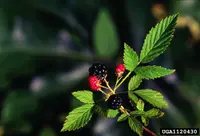
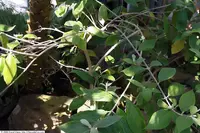
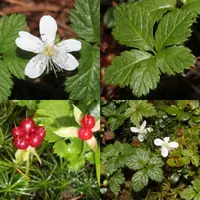
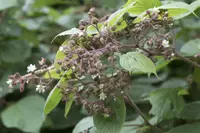
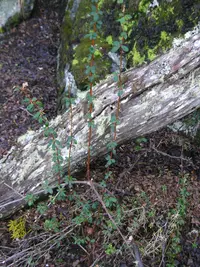
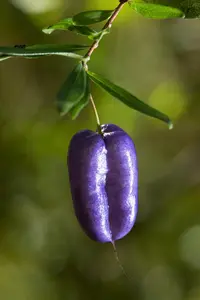
Rubus pallidus is a deciduous bramble species in the rose family, related to raspberries and blackberries. It typically forms arching, thorny canes with compound leaves. The plant produces small white to pale flowers followed by clustered berries, which may vary in color depending on the form. It usually occurs in woodland edges, scrub, and other semi-shaded habitats in its native range. Growth can be vigorous, and the thorns make handling and pruning more challenging for beginners. To care for Rubus pallidus, provide a sunny to lightly shaded spot, moderately moist, well-drained soil, and enough space for its spreading habit.

Main Plant Requirements

Care Difficulty

Moderate Care

Light Preference

Partial Shade

Water Requirements

Moderate Water

Temperature Preference

Warm Climate

Hardiness Zone

Unknown

Soil Texture

Loamy

Soil pH

Slightly acidic (6.5–7.0)

Soil Drainage

Well-drained

Fertilization

Minimal (feed rarely)

Get Personalized Care Plan

Scan your plant to receive care tips personalized for your specific plant

Available on iOS and Android

How to Care for the Rubus pallidus

This species prefers cool, bright conditions with protection from intense midday sun.

  • Provide 4–6 hours of direct morning sun with light shade or filtered light in the afternoon to prevent leaf scorch.
  • Tolerates partial shade, but stems become weak and fruiting drops if light falls below about 3–4 hours of sun daily for long periods.
  • In hot summers, increase shade from 11 a.m. to 3 p.m.; in cooler seasons, allow more open exposure to support growing Rubus pallidus.

Watering should keep the root zone consistently moist but never saturated.

  • In the growing season, water when the top 3–5 cm of soil feel dry, aiming for deep soaking that moistens 15–20 cm down, then allow slight surface drying.
  • Ensure free-draining soil or raised beds; prolonged puddling, sour smell, or wilting with wet soil signals overwatering and possible root rot.
  • Reduce watering in late fall and winter, giving just enough to prevent complete drying; dull, curling leaves and dry soil indicate underwatering.

This bramble prefers cool to mild conditions and copes better with cold than with extreme heat.

  • Optimal growth occurs around 60–75°F (16–24°C), with steady temperatures supporting strong canes and reliable flowering.
  • Mature plants tolerate brief drops to about 10–14°F (-12 to -10°C), but young plants benefit from mulch insulation over roots in winter.
  • In hot spells above 86°F (30°C), increase shade and soil moisture, as prolonged heat stress can reduce fruit set and scorch exposed leaves.

This shrub handles a broad humidity range and rarely needs special humidity control outdoors.

Rubus pallidus grows best in moist, well‑structured mineral soil that drains freely yet retains some organic moisture.

  • Use a loamy, slightly sandy base enriched with 20–30% compost to support root growth and fruiting.
  • Aim for slightly acidic to neutral pH, around 6.0–7.0, avoiding strongly alkaline or saline sites.
  • Improve drainage and aeration by incorporating coarse sand or fine grit, especially in heavier clay soils.
  • Avoid compacted, waterlogged, or very shallow soils, which promote root rot and weak, disease‑prone canes.

This species can be grown in containers if the pot is large and stable enough for its spreading, suckering habit.

  • Choose a deep, heavy container at least 40–50 cm wide to keep vigorous roots and canes stable in wind.
  • Use a coarse, draining mix and raise the pot on feet or bricks so runoff clears the drainage holes quickly after watering.
  • Place the container where canes can be tied to a trellis or railing to prevent the plant from pulling the pot off balance.

This species is usually adapted to low-nutrient soils, so use fertilizer sparingly for cultivated Rubus pallidus.

  • Apply a light layer of compost or well-rotted manure around the root zone once in early spring.
  • If needed, use a balanced NPK granular or slow-release fertilizer at 1/2 label strength in spring.
  • Avoid summer overfeeding, which encourages weak, lush growth and may reduce flowering or fruiting.
  • Do not fertilize in late fall or winter, when the plant is dormant.

Pruning helps maintain health, structure, and productivity in Rubus pallidus stands.

  • Carry out main pruning in late winter or very early spring, before new growth starts.
  • Remove dead, diseased, or damaged canes first, then thin crowded or crossing stems to open the clump.
  • Shorten overly long canes to control spread and support upright, manageable growth.
  • Use sharp, clean bypass pruners and make cuts just above a bud or side branch.

This shrub is usually grown in the ground, so management focuses on transplanting rather than frequent repotting.

  • Transplant in early spring or early fall, when temperatures are mild and soil is workable.
  • Choose a site with well-drained soil and similar light conditions to reduce transplant shock.
  • Lift the plant with as much root ball as possible, disturbing roots minimally and watering thoroughly afterward.
  • For container-grown plants, shift to a slightly larger pot only when roots circle the container or growth slows.

Rubus pallidus is commonly propagated vegetatively to maintain desired traits and growth habit.

  • Use tip or simple layering in spring or early summer, pegging flexible stems into moist, well-drained soil until rooted.
  • Take semi-ripe stem cuttings in summer, place in a free-draining mix, and keep humidity high but not waterlogged.
  • Divide established clumps in early spring or fall, ensuring each division has healthy buds and roots.
  • Seeds can be used but may require cold stratification and show variable offspring.

This bramble is generally cold hardy, needing only modest winter care in most temperate regions.

  • Tolerates typical frosts once established, but young plants benefit from extra protection the first 1–2 winters.
  • Apply 5–8 cm of organic mulch around the root zone in late fall, keeping it slightly away from canes.
  • In very cold or exposed sites, loosely tie canes together and use a breathable fabric wrap to limit desiccation.

Care Tips

Permanent trellis choice

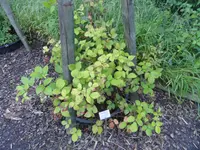
Install a sturdy, permanent trellis or wire framework before the plant reaches full size so canes can be tied in loosely with soft ties and kept off the ground for better air flow and cleaner fruit.

Cane renewal system

Mark this year’s fruiting canes with colored ties, then remove them completely at ground level right after harvest while leaving new primocanes spaced 15–20 cm apart to maintain a productive, well-lit framework.

Mulch management

Maintain a 5–8 cm layer of organic mulch, pulling it back 5–8 cm from the crown to suppress weeds, stabilize soil moisture, and reduce splash that can spread cane and leaf diseases.

Targeted pest scouting

Inspect developing flower clusters and young fruit weekly during the main season for small beetles, caterpillars, and aphids, and remove or treat early so infestations do not build up inside the dense canopy.

Winter cane protection

In colder regions, gently bend and secure flexible canes closer to the ground and cover the base with extra mulch in late fall to reduce winter injury and support long-term success when growing Rubus pallidus.

Common Pests and Diseases

Cane blight

This disease causes dark, sunken lesions on canes, often starting at pruning wounds, and can lead to cane dieback and reduced fruiting. Symptoms include brittle, cracked stems that may wilt above the infected area.

Solution

Prune out and destroy infected canes back to healthy wood during dry weather, disinfecting tools between cuts. Avoid wounding canes, improve airflow with proper spacing, and keep the base area free of dense weeds or debris to reduce humidity and infection risk.

Verticillium wilt

This disease affects the vascular system, causing sudden wilting, yellowing, and dieback of individual canes or sections of the plant, often with one side worse than the other. Symptoms include brown streaking inside cut stems.

Solution

Remove and destroy affected canes and avoid replanting Rubus species in the same spot if wilt is confirmed. Improve soil drainage, avoid overwatering, and plant in sites with a history free of verticillium-susceptible crops such as tomatoes, potatoes, or strawberries to lower long-term risk when growing Rubus pallidus.

Raspberry cane borer

This pest is a beetle whose larvae tunnel inside young canes, causing wilting and drooping of cane tips in midsummer. Symptoms include two narrow girdling rings on the cane several cm below the wilted tip.

Solution

Cut off wilted cane tips 5–10 cm below the lower girdle and destroy them to remove larvae before they mature. Monitor new growth regularly in early summer and maintain a diverse, insect-friendly garden to support natural predators while avoiding broad-spectrum insecticides that harm beneficial insects.

Raspberry cane midge

These insects lay eggs in cane cracks or pruning wounds, and the larvae feed under the bark, leading to swelling, cracking, and eventual cane breakage. Symptoms include rough, blistered areas on young canes that snap easily in wind.

Solution

Prune and dispose of damaged cane sections promptly, cutting well below visible injury and cleaning tools between plants. Reduce stress on plants through balanced fertilizing and irrigation, and avoid leaving long, ragged pruning stubs where adults can lay eggs.

Raspberry leaf spot

This disease produces small, round, pale spots on leaves that may turn tan or gray with dark borders and can lead to early leaf drop. In humid conditions, severe infections weaken plants and reduce fruit quality and winter hardiness.

Solution

Remove and discard heavily spotted or fallen leaves to reduce fungal spores and avoid overhead watering that keeps foliage wet. Improve air circulation by thinning crowded canes, and if the problem recurs annually, apply a labeled fungicide early in the season as part of broader Rubus pallidus care instructions focused on sanitation and airflow.

Interesting Facts

Restricted distribution range

Rubus pallidus is known from a relatively limited geographic area in tropical Africa, where it occupies specific mid- to high-elevation habitats rather than being broadly widespread like many other Rubus species.

High-altitude bramble

This species is associated with cooler, montane environments, often occurring in forest margins and disturbed upland sites, which distinguishes it ecologically from lowland brambles that prefer warmer conditions.

Part of complex genus

Rubus pallidus belongs to a taxonomically difficult genus where frequent hybridization and variable morphology complicate identification, so its recognition as a distinct species relies on detailed floral and leaf characters rather than fruit alone.

FAQs about Rubus pallidus

Lack of blooms usually comes from insufficient light, heavy pruning of 1–2-year-old canes, or excess nitrogen fertilizer. Ensure good sun exposure, avoid cutting all older canes, and use a balanced, low-nitrogen fertilizer if needed.

Grow Healthy Plants with Botan Care

Keep your plants happy and healthy with plant identification, disease detection, and easy care guidance.

Botan plant care app — identify plants on mobile

Explore More Plants