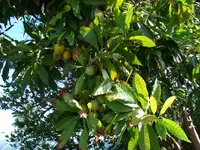
blackwood Care (Acacia penninervis)

blackwood

About blackwood

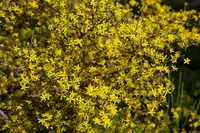
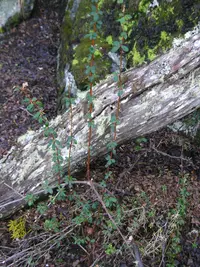
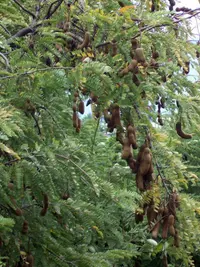
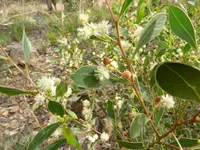
Blackwood, Acacia penninervis, is a medium to large evergreen tree from the dry forests and woodlands of eastern Australia. It is grown mainly as an ornamental and for timber. The tree forms a rounded to spreading crown with fine, feathery foliage and produces cream to pale yellow, ball-shaped flower clusters. Bark is typically dark and furrowed on older trees, giving a strong structural presence in landscapes. It adapts relatively well to a range of soils if drainage is good and tolerates dry periods once established, which simplifies basic care for blackwood. In cultivation it suits larger gardens, windbreaks, or habitat plantings rather than small indoor spaces.

Main Plant Requirements

Care Difficulty

Moderate Care

Light Preference

Full Sun

Water Requirements

Low Water

Temperature Preference

Warm Climate

Hardiness Zone

8–10

Soil Texture

Sandy, Loamy, Rocky

Soil pH

Acidic (5.5–6.5), Slightly acidic (6.5–7.0)

Soil Drainage

Well-drained

Fertilization

Minimal (feed rarely)

Get Personalized Care Plan

Scan your plant to receive care tips personalized for your specific plant

Available on iOS and Android

How to Care for the blackwood

Acacia penninervis prefers bright, open conditions with several hours of direct sun each day.

  • Provide 4–6 hours of direct sun, ideally morning to early afternoon, with light shade during the harshest mid-afternoon hours in hot inland climates.
  • Young trees benefit from some filtered light or dappled shade to reduce leaf scorch, while established blackwood tolerates full sun in coastal or mild regions.
  • In winter, ensure sites are not heavily shaded by buildings or trees, as prolonged low light leads to sparse, elongated growth.

Acacia penninervis prefers deep but infrequent watering once established.

  • Outdoors in the ground, let the top 5–8 cm of soil dry before watering, then soak the root zone thoroughly so moisture reaches 20–30 cm deep.
  • Use sharply draining, sandy or gravelly soil and avoid low spots where water pools, as prolonged saturation encourages root rot and yellowing foliage.
  • In the first 1–2 growing seasons, water when new leaves droop slightly or soil feels dry at finger depth; mature trees often need only rainfall except in long droughts.

This species tolerates a wide temperature range but grows best in mild, frost-light climates.

  • Optimal growth occurs around 60–80°F (16–27°C), with steady spring and autumn temperatures promoting strongest extension growth and flowering.
  • The tree usually survives brief drops to about 20–25°F (-6 to -4°C), but repeated hard frosts can kill young shoots and damage bark, especially on exposed sites.
  • In hot summers, it handles 95–105°F (35–40°C) if soil is not waterlogged and roots are mulched; avoid heat traps near walls that can create higher reflected temperatures.

Acacia penninervis handles typical indoor humidity but stays healthiest with slightly dry‑leaning air.

  • Aim for 30–50% humidity; avoid consistently above 60% to reduce fungal risk on foliage and stems.
  • It generally tolerates heated, dry rooms, but prolonged air below 25% can cause leaf edge browning and slight leaf drop.
  • Increase humidity only if air is very dry by grouping plants or placing a water tray nearby, rather than misting leaves.

Acacia penninervis prefers lean, fast-draining, slightly acidic to neutral soil that does not stay wet.

  • Use a sandy or sandy-loam mix with coarse structure, such as 50–60% peat-free potting mix blended with sharp sand and fine bark chips.
  • Ensure very rapid drainage; water should exit the pot within seconds, leaving the mix just evenly moist, never waterlogged.
  • Aim for pH 6.0–7.0; avoid strongly alkaline mixes that can lock out micronutrients and cause chlorotic, yellowing leaves.
  • Improve aeration by adding 10–20% coarse perlite or pumice and avoid heavy clay-based mixes or those rich in manure.

This species can be grown in containers for several years if the pot is chosen and managed carefully.

  • Select a deep, heavy pot that counterbalances the tall, woody canopy and prevents tipping in strong winds.
  • Prioritize wide drainage holes and elevate the pot slightly so water exits quickly and does not pool under the base.
  • Use thick-walled terracotta or similar porous material to moderate moisture swings and keep roots from overheating in full sun.

Acacia penninervis is adapted to low-nutrient soils, so use light fertilization to support container or young landscape plants without overfeeding.

  • For containers, use a balanced slow-release fertilizer (such as 10-10-10) at 1/2 strength at the start of spring and midsummer.
  • In the ground, a thin layer of compost around the drip line in spring usually provides enough nutrients for blackwood.
  • Avoid high-nitrogen products that can cause soft, weak growth and reduce stress tolerance.
  • Stop feeding in late summer to fall so new growth hardens before winter and stays compact.

Pruning Acacia penninervis helps maintain a stable framework and safe clearance while preserving its natural form.

  • Carry out structural pruning in late winter to very early spring, before active growth starts.
  • Remove dead, diseased, crossing, or storm-damaged branches first using clean, sharp bypass pruners or a pruning saw.
  • Thin congested inner branches lightly to improve airflow and light penetration without over-opening the canopy.
  • Shorten or remove awkward or low limbs to shape the crown and maintain clear access around paths and buildings.

This species is most often grown in the ground, with transplanting of young trees more important than long-term container repotting.

  • Plan transplanting for late winter to early spring, when soil is workable and before strong new growth begins.
  • Move trees when roots lightly fill the pot or root ball, with circling roots or slow growth indicating the need for a larger space.
  • Dig or lift a generous root ball, disturbing roots as little as possible, and replant at the same soil depth in a well-drained site.
  • Water deeply after planting, then keep the root zone evenly moist (not saturated) for the first growing season to reduce transplant shock.

Acacia penninervis is most commonly propagated from seed, which requires some pretreatment to break dormancy.

  • Collect ripe pods, dry them, then extract and store seed in a cool, dry place until sowing.
  • In late winter to spring, pour hot (not boiling) water over seeds and soak for 12–24 hours until they swell.
  • Sow in a free-draining seed mix, just covering the seed, and keep at 68–77°F with steady, light moisture.
  • Provide bright light and good air circulation; once seedlings form several true leaves, pot on carefully to individual containers.

Mature Acacia penninervis in mild climates is reasonably frost tolerant and usually needs only minimal winter care.

  • In areas with light frosts, apply a 5–8 cm mulch layer around the root zone, keeping it slightly away from the trunk.
  • Young or container plants in regions below about 25°F benefit from a sheltered, south-facing position.
  • Move potted specimens under cover or indoors to a bright, cool, frost-free space before hard freezes.

Care Tips

Root disturbance control

Plant into its long‑term position while young and avoid repeated repotting or transplanting, as this species resents major root disturbance and can stall or decline for a full season afterward.

Wind-hardening young trees

Expose young plants to increasing levels of wind over several weeks or use low, loose staking so they flex in the breeze, which encourages stronger trunks and better anchorage before they reach full height.

Low-phosphorus regime

If supplemental feeding is needed, choose fertilizers labeled safe for Australian natives with low phosphorus content and apply lightly at the drip line to avoid damaging the plant’s phosphorus‑sensitive root system.

Prune for single leader

In the first 2–3 years, selectively remove competing upright shoots and narrow branch crotches to favor one straight central leader, which reduces future breakage and produces a more stable canopy.

Mulch ring management

Maintain a 5–8 cm deep ring of coarse organic mulch around but not touching the trunk to suppress weeds, keep surface roots cooler, and minimize competition for moisture when growing blackwood in exposed sites.

Common Pests and Diseases

Wattle aphids

This pest feeds on young shoots and leaf stems, causing curling foliage, sticky honeydew, and sometimes sooty black growth on surfaces. Infestations are more common on soft new growth and stressed plants.

Solution

Prune and discard heavily infested tips, then hose down remaining foliage with a firm jet of water to remove colonies. If needed, apply insecticidal soap or horticultural oil to the undersides of leaves every 7–10 days until populations drop, and avoid excess nitrogen fertiliser that encourages very soft growth.

Psyllids

These insects form small bumps or blister-like galls on leaves and can cause leaf distortion, yellowing, and premature drop. Honeydew may appear on leaves and stems, sometimes followed by sooty mould.

Solution

Remove and dispose of badly affected foliage to reduce numbers, then monitor new flushes of growth closely. Use horticultural oil or insecticidal soap directed at the undersides of leaves during early infestations, and encourage natural predators by avoiding broad-spectrum insecticides.

Scale insects

This pest appears as small, fixed bumps on stems and leaf stalks, often accompanied by sticky honeydew and black sooty mould. Heavy infestations reduce vigor and may cause branch dieback over time.

Solution

Gently scrape or wipe off individual scales with a cloth or soft brush, then treat remaining insects with horticultural oil, ensuring full coverage of stems and branch crotches. Improve air movement around the canopy and avoid over-fertilising, which can increase susceptibility.

Acacia rust

This disease causes yellow to orange pustules or powdery spots on leaves and young stems, sometimes leading to leaf distortion and drop. In severe cases it can thin the canopy and slow growth.

Solution

Prune and dispose of affected leaves and small twigs, keeping tools clean between cuts to limit spread. Improve light and airflow through the canopy, avoid overhead watering, and in persistent wet conditions consider using a sulfur or copper-based fungicide labeled for rust, following the product directions carefully.

Gummosis and stem canker

Symptoms include oozing gum from stems or trunk, sunken or cracked patches of bark, and dieback above affected areas, often following mechanical injury or prolonged stress. Fungal or bacterial pathogens can colonize these wounds and worsen the damage.

Solution

Cut out small cankered sections back to healthy wood, sterilising pruning tools between cuts, and promptly remove dead branches. Reduce stress through consistent watering during dry spells, avoid trunk damage from tools or mowers, and improve drainage and airflow; in severe or spreading cases, consult a local arborist for targeted Acacia penninervis care advice.

Interesting Facts

Phyllodes instead of leaves

Mature plants usually carry narrow, sickle-shaped phyllodes, which are flattened leaf stalks that function as leaves and help reduce water loss in the often dry habitats where this species grows.

Nitrogen-fixing partner

Like many wattles, this species forms symbioses with root nodule bacteria in the genus Rhizobium, allowing it to fix atmospheric nitrogen and enrich poor soils for other plants.

Early successional pioneer

Acacia penninervis often establishes quickly after disturbance such as fire or clearing in southeastern Australian ecosystems, stabilizing soil and providing shade and shelter that facilitate later-arriving plant species.

Botan icon

Did you know?

In parts of southeastern Australia, Acacia penninervis serves as a key larval host for certain native moth and butterfly species, which rely on its foliage as their primary food source during development, making it ecologically important for local insect diversity.

FAQs about blackwood

Yellowing foliage often results from waterlogging, poor drainage, or nutrient deficiency, especially nitrogen. Check soil moisture, improve drainage, and apply a balanced, slow‑release fertilizer. Also avoid sudden changes in light or major root disturbance.

Grow Healthy Plants with Botan Care

Keep your plants happy and healthy with plant identification, disease detection, and easy care guidance.

Botan plant care app — identify plants on mobile

Explore More Plants