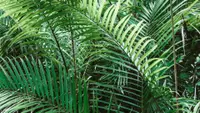
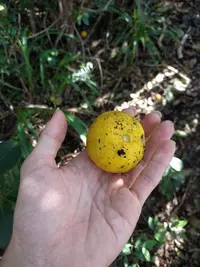
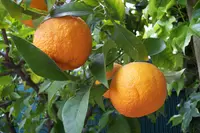
American oil palm Care (Elaeis oleifera)

American oil palm

About American oil palm

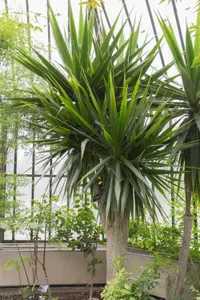
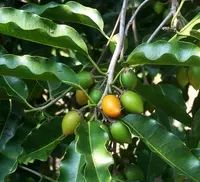
The American oil palm, Elaeis oleifera, is a slow- to moderate-growing palm tree native to tropical Central and South America. It typically forms a solitary trunk with a crown of long, graceful, feather-like fronds.

In nature it grows in warm, humid lowlands and along river margins, often in seasonally flooded areas. Its tolerance of moisture and brief waterlogging, plus relatively good disease resistance compared with African oil palm, shapes how to care for American oil palm in cultivation.

This species prefers consistently warm temperatures, high humidity, sun to light shade, and deep, organic, well-drained soil, which influences how suitable it is for home landscapes in frost-free climates.

Main Plant Requirements

Care Difficulty

Hard Care

Light Preference

Full Sun

Water Requirements

Keep Soil Moist

Temperature Preference

Tropical / Frost Sensitive

Hardiness Zone

10–12

Soil Texture

Sandy, Loamy, Organic-rich

Soil pH

Acidic (5.5–6.5), Slightly acidic (6.5–7.0)

Soil Drainage

Moist but well-drained

Fertilization

Minimal (feed rarely)

Get Personalized Care Plan

Scan your plant to receive care tips personalized for your specific plant

Available on iOS and Android

How to Care for the American oil palm

This tropical palm prefers strong light and stable exposure to support steady growth.

  • Provide 6–8 hours of full sun daily, ideally with morning sun and light afternoon shade in hotter regions to reduce leaf scorch.
  • Young American oil palm plants benefit from 30–50% filtered shade; mature specimens tolerate more direct sun once established.
  • In marginal climates, avoid deep shade, which causes lanky, weak growth; maximize sun exposure in winter by avoiding north-facing walls and heavy overstory cover.

This species prefers consistently moist but not waterlogged soil around its root zone.

  • Irrigate when the top 3–5 cm of soil feel slightly dry, aiming for evenly moist soil down to at least 15–20 cm depth.
  • Ensure deep, well-drained soil; prolonged standing water causes root rot, yellowing fronds, and foul-smelling, anaerobic soil conditions.
  • In hot, dry seasons increase frequency as fronds begin to lose gloss or droop slightly; in cooler or rainy periods reduce watering to prevent soft, collapsing new growth, a sign of overwatering in Elaeis oleifera.

This palm thrives in warm, frost-free climates with minimal temperature fluctuation.

  • Optimal growth occurs at 75–88°F (24–31°C), with steady warmth supporting faster trunk and frond development.
  • The plant tolerates brief dips to about 50°F (10°C) but suffers damage near 45°F (7°C) and should be protected from any frost.
  • Heat tolerance is high up to about 95°F (35°C) if soil moisture is sufficient; during cooler seasons, slower growth is normal as long as temperatures stay above 60°F (16°C).

This palm prefers fairly humid air but adapts if extremes are avoided.

  • Aim for 50–70% humidity for healthiest foliage on American oil palm grown in pots.
  • It tolerates short periods of drier air, but prolonged humidity below 40% can slow growth and cause browning leaflet tips.
  • Increase humidity with grouped plants, a nearby humidifier, or a wide pebble tray under (not touching) the container.

This species needs deep, moist, well‑structured soil that never stays waterlogged.

  • Use a loose, sandy‑loam mix with 30–40% coarse sand plus organic matter such as composted bark or well‑rotted compost.
  • Ensure rapid drainage by adding perlite or pumice so water moves through within a few seconds of watering.
  • Target slightly acidic to neutral pH around 6.0–7.0 for best nutrient availability for Elaeis oleifera.
  • Avoid compacted clay, peat‑heavy mixes that stay soggy, or sites where water stands after rain, which encourages root and trunk rot.

This palm can be grown in large containers, mainly when young or in cooler climates.

  • Choose a tall, heavy container that resists tipping because the crown becomes large and wind‑catching outdoors.
  • Select a pot at least 45–60 cm deep to allow the developing root system to extend downward without circling tightly.
  • Use a container material that moderates moisture, such as thick plastic or glazed clay, to keep the large root volume evenly moist between waterings.

Elaeis oleifera benefits from modest, well-timed feeding, especially in poor or sandy soils.

  • Use a balanced slow-release palm fertilizer (around 3-1-3 or similar NPK) or well-rotted compost mixed into the soil surface.
  • Feed established plants every 2–3 months during the warm growing season, adjusting based on soil fertility and vigor.
  • Apply at half to three-quarter label rate to young or container plants to reduce salt stress to roots.
  • Stop or greatly reduce feeding for American oil palm in cooler months when growth slows.

Pruning Elaeis oleifera focuses on removing spent or unsafe fronds rather than shaping the plant strongly.

  • Carry out main pruning at the end of the cool season or early in the warm growing period, when active growth resumes.
  • Remove only dead, dry, broken, pest-infested, or severely drooping fronds; leave green, functional foliage to support the crown.
  • Cut fronds cleanly near the trunk with a sharp pruning saw or loppers, avoiding damage to the stem or growing point.
  • Moderate pruning improves airflow, access around the trunk, and reduces habitat for pests without altering the natural form.

Young American oil palm plants may spend a few years in containers but are usually transplanted to the ground for long-term growth.

  • Look for roots circling the container drainage holes, soil drying very fast, or slowed growth as signs it needs a larger space.
  • Transplant in late spring or early summer, when soil is warm and the plant can re-establish before cooler weather.
  • Move up only 1–2 pot sizes or to a well-prepared ground site with deep, well-drained soil and good organic matter.
  • Water thoroughly before and after transplanting, keep the root ball intact, shade lightly for 1–2 weeks, and maintain even moisture to limit stress.

Elaeis oleifera is typically propagated from seed, which requires time and controlled warm conditions.

  • Collect fully ripe fruits, clean off the pulp, and sow fresh seeds for best viability.
  • Provide constant warmth of about 77–86°F and evenly moist, free-draining medium; germination may take several months.
  • Use deep containers or seedbeds to allow strong taproot development and avoid early root deformities.
  • After germination, give high light, gentle air movement, and careful watering to prevent damping-off and root rot.

This tropical palm is frost-sensitive and needs careful winter management in climates with cool or freezing conditions.

  • In regions below about 40°F, grow in a sheltered microclimate or use as a large container specimen that can be moved.
  • Mulch the root zone with 5–10 cm of coarse organic material, keeping it slightly away from the trunk to limit rot.
  • For unexpected light frosts, wrap the trunk and central crown with breathable frost cloth and avoid wetting the crown in cold snaps.
  • Move container plants indoors or into a heated greenhouse before night temperatures drop toward 45°F, ensuring bright light and reduced watering.

Care Tips

Provide wind training

Expose young plants to moderate, steady air movement or sheltered outdoor breeze so the trunk and leaf bases strengthen gradually, reducing the risk of snapping fronds and windthrow in maturity.

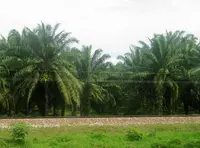
Manage basal suckers

Thin crowded basal shoots when they are small, leaving a few well-spaced strong suckers, to maintain good air flow, reduce disease pressure, and direct energy into a stable multi-stem structure.

Plan harvesting access

When spacing and orienting plants, leave clear access lanes on the sunny side so heavy infructescences can be reached safely with harvesting tools without damaging fronds or compacting soil around the root zone.

Monitor nutrient status

Use periodic leaf tissue or at least visual frond analysis for yellowing patterns and marginal necrosis to adjust potassium and magnesium inputs, which are critical for healthy pinnate leaves in this species.

Control trunk competition

Keep grasses and woody weeds cleared in a 1–1.5 m radius around the base using mulching or careful hand removal, which reduces competition for water and nutrients and simplifies caring for American oil palm in the long term.

Common Pests and Diseases

Red palm mite

This pest feeds on the underside of fronds, causing yellow stippling, bronzing, and eventual leaf drying, especially in hot, dry conditions. Severe infestations reduce vigor and may predispose palms to other stresses.

Solution

Prune and discard heavily infested fronds, then hose down remaining foliage to remove mites and webbing. For ongoing control, use horticultural oil or insecticidal soap directed to leaf undersides every 7–10 days, and reduce plant stress by maintaining adequate water and avoiding dust buildup on leaves.

Rhynchophorus palm weevil

This pest bores into the crown and trunk, where larvae tunnel and destroy internal tissues, often leading to crown collapse. Symptoms include oozing fermenting sap, frass at entry holes, and wilting or yellowing of the youngest leaves.

Solution

Remove and destroy heavily infested palms to prevent spread, and monitor nearby palms for early signs of tunneling and crown damage. Use pheromone traps and targeted systemic insecticides according to label directions as part of an integrated approach in plantation or landscape settings, especially when growing American oil palm in warm regions where this weevil is established.

Leaf spot (Cercospora spp.)

This disease causes small, dark, water-soaked spots on leaflets that can expand and coalesce, leading to blighted patches and premature leaf aging. Symptoms include reduced photosynthetic area and a generally thin, tired canopy over time.

Solution

Remove and destroy affected fronds to reduce inoculum, and avoid overhead irrigation that keeps foliage wet for long periods. Improve spacing and airflow, and if disease pressure remains high in humid climates, apply a labeled copper or chlorothalonil fungicide at the first sign of new spotting, following all safety and timing instructions.

Bud rot (Phytophthora spp.)

This disease attacks the heart or growing point of the palm, causing spear leaf collapse, foul odor, and rapid decline of the central crown. Symptoms include browning and softening of new leaves while older fronds may initially remain green.

Solution

Immediately remove and destroy palms with advanced crown collapse, as recovery is rare once the bud is severely damaged. In early cases, improve drainage, avoid water sitting around the crown, and use preventive drenches or crown applications of a labeled systemic fungicide such as phosphonates in nearby at-risk palms under professional guidance.

Ganoderma butt rot

This disease infects the lower trunk and root collar, leading to gradual canopy thinning, yellowing, and slow decline, often without obvious early external signs. Fruiting bodies (conks) may eventually appear at the trunk base, indicating advanced internal decay.

Solution

Remove affected palms completely, including the stump, and avoid replanting another palm in the same spot, as the pathogen persists in soil and wood. Maintain good site drainage and avoid trunk injuries on healthy palms, since wounds increase susceptibility; there is currently no effective curative treatment once internal decay is established.

Interesting Facts

Naturally spreading trunk

This palm often develops a leaning, sprawling trunk that grows almost horizontally before turning upward, which allows it to spread and form clumps instead of a single vertical stem.

Hybrid oil potential

It has been widely used in breeding programs with African oil palm to create hybrids that produce lower-saturated, higher-oleic oil and show better tolerance to certain diseases.

Slow growth and stature

Compared with African oil palm, this species grows more slowly and stays shorter, which makes long-term management and harvesting easier in some plantation systems.

Botan icon

Did you know?

In parts of Central and South America, wild populations of this palm often dominate seasonally flooded or waterlogged lowlands, where its tolerance of poorly drained soils allows it to persist and form almost pure stands that structure the local ecosystem.

FAQs about American oil palm

Growth is moderate for a palm tree. In suitable tropical or subtropical outdoor conditions, it typically adds about 30–60 cm of trunk height per year once established, with faster growth in deep, fertile, consistently moist soil.

Grow Healthy Plants with Botan Care

Keep your plants happy and healthy with plant identification, disease detection, and easy care guidance.

Botan plant care app — identify plants on mobile

Explore More Plants