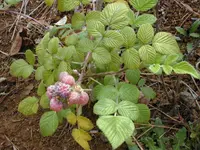
Wind-exposure training
Site young plants where they receive moderate, steady wind so stems develop stronger lignin, then gradually move or trim nearby windbreaks over 1–2 seasons to create a naturally dense, wind-firm framework.

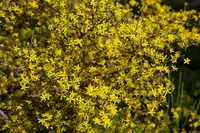
Korokio (Corokia cotoneaster) is a compact evergreen shrub known for its fine, tangled branches and tiny, zigzagging twigs. It often has small, gray-green leaves that give it a delicate, airy look. This species is native to New Zealand, where it grows in coastal and montane habitats exposed to wind and sun. In gardens, it is valued for strong structure, tolerance of pruning, and good wind and salt resistance. It is generally considered a hardy, low-maintenance plant if given good light and well-drained soil. These traits make it relatively straightforward to care for Korokio in suitable climates.

Care Difficulty
Moderate Care

Light Preference
Full Sun

Water Requirements
Low Water

Temperature Preference
Cold Hardy

Hardiness Zone
7–10

Soil Texture
Sandy, Loamy, Rocky

Soil pH
Slightly acidic (6.5–7.0), Slightly alkaline (7.0–7.5)

Soil Drainage
Well-drained

Fertilization
Minimal (feed rarely)
Scan your plant to receive care tips personalized for your specific plant
Available on iOS and Android
Corokia cotoneaster thrives in bright, open positions with some protection from harsh summer sun.
Corokia cotoneaster prefers evenly moist but never saturated soil once established in the landscape.
This shrub is hardy and tolerates a broad temperature range when planted in the ground.
Humidity is rarely critical for Corokia cotoneaster, which adapts well to most home and outdoor conditions.
Corokia cotoneaster prefers lean, sharply drained soil that does not stay wet.
This species is well suited to container growing when drainage and stability are managed carefully.
This shrub is naturally frugal, so light feeding is enough for healthy Korokio growth in most garden soils.
Corokia cotoneaster responds well to light, thoughtful pruning that maintains its wiry form and dense structure.
This species is most often grown in the ground, so focus on careful transplanting or occasional container upsizing.
Corokia cotoneaster is commonly propagated from semi-ripe cuttings and, less often, from seed.
This shrub is generally cold hardy, so winter care is minimal in most temperate gardens.

Plant Health Check
Not sure what's wrong with your plant? Check your plant's health inside the app.
This species develops a distinctive divaricating form, with many fine, interlaced, zigzagging twigs that create a dense, twiggy framework often described as wire-netting-like.
In its native New Zealand coastal and montane habitats, this shrub tolerates salt-laden winds and exposure, and its small, tough leaves help reduce water loss under these harsh conditions.
Its intricate dark twigs dotted with small silver-grey leaves inspired the popular name wire-netting bush, and in New Zealand it is sometimes likened to a starry night sky when backlit.

Corokia cotoneaster is part of the characteristic divaricating shrub flora of New Zealand, a group of species whose tangled, fine-branch architecture is thought by many botanists to have evolved partly as protection against browsing by large extinct birds called moa.
Brown leaves usually result from underwatering, hot drying winds, or excess fertilizer salts at the root zone. Check soil moisture, reduce exposed wind, flush the pot or bed with water, and trim only fully dead tips.
Keep your plants happy and healthy with plant identification, disease detection, and easy care guidance.