Root-sucker management
Inspect the base of the plant 2–3 times per year and remove unwanted root suckers with clean, sharp pruners at or slightly below soil level to prevent dense thickets and maintain an organized shrub outline.

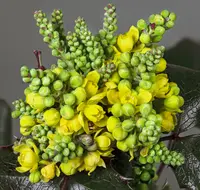
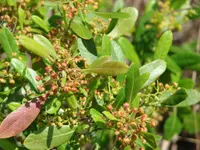
Oregon grape, Berberis aquifolium, is an evergreen shrub known for its holly-like leaves, yellow spring flowers, and dark blue berries. It forms dense clumps and often spreads slowly by underground stems.
This species is native to western North America, especially the Pacific Northwest, where it grows in woodlands and open, rocky slopes. It is commonly used in landscapes for year-round structure and erosion control.
The plant is generally tough and low-maintenance, tolerating cold, shade, and dry conditions once established. Understanding how to care for Oregon grape starts with knowing it prefers well-drained soil and moderate moisture.

Care Difficulty
Easy Care

Light Preference
Partial Shade

Water Requirements
Moderate Water

Temperature Preference
Cold Hardy

Hardiness Zone
5–9

Soil Texture
Sandy, Loamy, Organic-rich

Soil pH
Acidic (5.5–6.5), Slightly acidic (6.5–7.0)

Soil Drainage
Moist but well-drained

Fertilization
Minimal (feed rarely)
Scan your plant to receive care tips personalized for your specific plant
Available on iOS and Android
Berberis aquifolium performs best with bright conditions that balance sun and shade.
Berberis aquifolium prefers evenly moist but never soggy soil once established outdoors.
This shrub is cold hardy and tolerates a wide temperature range when planted outdoors.
Berberis aquifolium handles a wide humidity range and rarely needs special humidity management.
Berberis aquifolium prefers well-structured, free-draining soil that still holds moderate moisture.
This species can be grown in containers when the pot is chosen and managed for its woody root system and spreading top growth.
This shrub needs only modest feeding, especially when grown in ground with decent organic matter.
Pruning helps maintain shape and health while preserving the natural form of Berberis aquifolium.
This species is usually grown in the ground, so focus on careful transplanting rather than frequent repotting.
Berberis aquifolium is commonly propagated by semi-ripe cuttings, division of suckers, or seed.
This shrub is cold hardy in most temperate gardens and usually needs minimal winter attention.

Plant Health Check
Not sure what's wrong with your plant? Check your plant's health inside the app.
This species, commonly called Oregon grape, is officially recognized as the state flower of Oregon and has held that status since 1899 due to its abundance and visual impact in local forests.
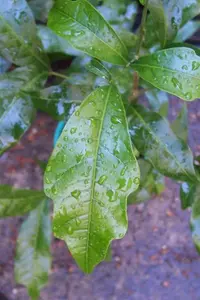
Its thick, spiny, glossy leaves closely resemble holly, but it belongs to the barberry family (Berberidaceae), not to true hollies (Ilex), which often causes misidentification in gardens and wild landscapes.
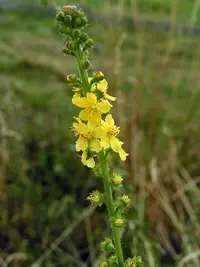
The fragrant yellow flower clusters appear early in spring and provide an important nectar and pollen source for native bees and other pollinators at a time when few other shrubs are in full bloom.

The blue, waxy-coated berries of this species are naturally sour but were traditionally mixed with sweeter fruits by Indigenous peoples of the Pacific Northwest to make preserves and beverages, and the yellow wood and roots have long been used as a natural dye source.
This shrub is evergreen, keeping its glossy, holly-like foliage year-round. Older leaves may redden or bronze in cold weather, especially in winter, but the plant does not drop all its leaves seasonally like deciduous species.
Keep your plants happy and healthy with plant identification, disease detection, and easy care guidance.