Juvenile Wind Protection
Stake young plants and use a simple windbreak such as shade cloth or a temporary fence for the first 2–3 years in exposed sites to prevent wind scorch and root rock while the canopy and root system establish.

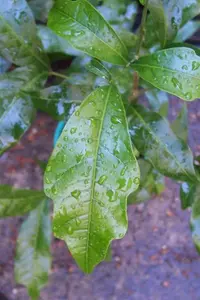
Small-leaved tamarind (Diploglottis campbellii) is an evergreen rainforest tree native to subtropical eastern Australia. In nature it grows as an understorey tree with a dense, rounded crown.
It has glossy, divided foliage with many small leaflets and produces ornamental, ribbed fruit capsules that open to reveal bright arils. The fruit attracts wildlife and gives the tree strong ornamental and habitat value.
This species prefers mild, frost-free climates, consistent moisture, and well-drained, humus-rich soil. It is moderately slow growing but generally resilient once established.
For gardeners wanting to care for Small-leaved Tamarind, protection from hard frost and drying winds is the main challenge, especially in cooler or exposed sites.

Care Difficulty
Moderate Care

Light Preference
Partial Shade

Water Requirements
Keep Soil Moist

Temperature Preference
Tropical / Frost Sensitive

Hardiness Zone
10–11

Soil Texture
Loamy, Sandy, Organic-rich

Soil pH
Acidic (5.5–6.5), Slightly acidic (6.5–7.0)

Soil Drainage
Moist but well-drained

Fertilization
Minimal (feed rarely)
Scan your plant to receive care tips personalized for your specific plant
Available on iOS and Android
This Australian rainforest tree prefers bright, gentle light similar to its filtered forest habitat.
This species prefers evenly moist, well-drained soil that never stays waterlogged for long periods.
This rainforest tree prefers a mild to warm, frost-free climate to maintain steady growth.
This species prefers moderately high humidity and reacts to prolonged dry air indoors.
This rainforest tree prefers moist, deep, well-aerated soil with consistent drainage.
This species can be grown in large containers for some years, provided the pot supports its eventual size and weight.
This rainforest tree benefits from light, consistent nutrition rather than heavy feeding.
Pruning is mainly used to maintain structure and remove weak growth on Diploglottis campbellii.
This tree is usually grown in the ground, so focus on careful transplanting of young specimens.
Propagation of this species is usually done from seed and can be slow but is achievable with patience.
This subtropical tree is frost-sensitive and benefits from thoughtful winter management in cooler areas.

Plant Health Check
Not sure what's wrong with your plant? Check your plant's health inside the app.
This species is a rare subcanopy tree naturally restricted to a few lowland subtropical rainforests in northeastern New South Wales and southeastern Queensland, where much of its original habitat has been cleared.
The tree produces round, orange‑red capsules covered in soft, Velcro‑like hairs, which split open to reveal glossy dark seeds surrounded by an edible, tangy aril that attracts wildlife.
It is listed as endangered under Australian conservation legislation because of extensive historical clearing, ongoing habitat fragmentation, and low numbers of mature individuals in the wild.

Genetic and field studies suggest that many wild individuals of this species are now highly isolated from one another, which may limit natural pollination and seed dispersal and makes long‑term population recovery heavily dependent on targeted conservation plantings.
Yes. The tangy orange-red aril around the seed is edible and used in jams, sauces, and drinks. The seed and hard seed coat are not eaten. Always positively identify wild fruit before consumption.
Keep your plants happy and healthy with plant identification, disease detection, and easy care guidance.