balsampear Care (Momordica charantia)

Also known as: Bitter Melon, Bitter gourd, Bitter squash, Bitter Cucumber
balsampear

About balsampear

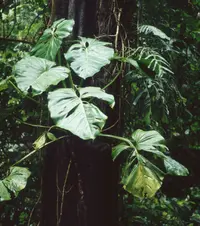
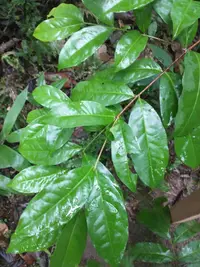
Balsampear, also known as bitter melon, is a fast-growing annual vine in the cucumber family. It is grown for its deeply ridged, warty fruits and tender young shoots. Momordica charantia produces slender climbing stems with tendrils, yellow flowers, and bright green foliage that can quickly cover a trellis or fence in warm conditions. The fruits turn orange and split open as they ripen, revealing bright red arils. It originates from tropical and subtropical regions of Asia and Africa and is now widely cultivated in warm climates. The plant prefers full sun, regular moisture, and well-drained soil, and needs warmth to thrive, so planning how to care for balsampear starts with providing enough heat and support for climbing.

Main Plant Requirements

Care Difficulty

Moderate Care

Light Preference

Full Sun

Water Requirements

Regular Water

Temperature Preference

Tropical / Frost Sensitive

Hardiness Zone

10–11

Soil Texture

Sandy, Loamy, Organic-rich

Soil pH

Acidic (5.5–6.5), Slightly acidic (6.5–7.0)

Soil Drainage

Moist but well-drained

Fertilization

Moderate (every 2–4 weeks)

Get Personalized Care Plan

Scan your plant to receive care tips personalized for your specific plant

Available on iOS and Android

How to Care for the balsampear

Momordica charantia is a sun-loving warm-season vine that fruits best with strong light exposure.

  • Provide 6–8 hours of direct sun daily; in hot climates, prioritize morning sun and light afternoon shade to protect leaves from scorching.
  • The plant tolerates light partial shade (around 4–5 hours direct sun), but flowering and fruiting of balsampear may decrease.
  • In early spring and late fall, choose the sunniest, south-facing or west-facing position available to compensate for shorter, weaker daylight.

Momordica charantia needs steadily moist but not waterlogged soil during active growth and fruiting.

  • Water when the top 3–5 cm of soil feel dry, applying enough to moisten the root zone while allowing excess to drain freely.
  • Use a well-drained, loamy soil; persistent puddling, sour smell, or yellowing, limp leaves indicate overwatering and poor aeration.
  • In very hot, dry weather, check soil daily; in cooler periods, extend intervals, watching for wilting, dull leaves, or slow growth as signs of underwatering.

This species thrives in consistently warm conditions and is very sensitive to cold and frost.

  • Aim for 70–86°F (21–30°C) during the growing season; growth slows noticeably below 68°F (20°C).
  • Protect from temperatures below 55°F (13°C); frost at 32°F (0°C) or lower will usually kill foliage and young vines.
  • In hot spells above 95°F (35°C), provide mulch and some afternoon shade to limit heat stress, flower drop, and premature fruit yellowing.

Humidity is moderately important for healthy Momordica charantia growth, especially in warm conditions.

  • Aim for 50–70% humidity to support vigorous vines and reduce flower and fruit drop.
  • Plant tolerates brief drier air but prolonged <40% humidity can slow growth and cause leaf edge browning or curling.
  • Increase humidity outdoors by mulching the soil and grouping plants; in very dry climates, mist foliage lightly in the morning only.

Soil for Momordica charantia must be loose, well-drained, and nutrient-rich to support rapid vining and fruiting.

  • Use a loamy mix with 40–50% compost, garden soil, and coarse sand or perlite for structure and drainage.
  • Target slightly acidic to neutral pH around 6.0–7.0 to keep nutrients available and reduce micronutrient lockout.
  • Incorporate well-rotted manure or composted organic matter to improve water retention without creating waterlogged conditions.
  • Avoid heavy, compacted clay, salty substrates, or constantly soggy beds, which promote root rot and poor root aeration.

This species is suitable for container growing when the pot is large, deep, and well-anchored for climbing support.

  • Choose a container at least 30–40 cm deep to accommodate the taproot and maintain stable moisture between waterings.
  • Use a heavy or weighted pot so the tall trellised vine does not tip over in wind or when loaded with fruit.
  • Position a sturdy trellis or net fixed directly into or behind the container to prevent root disturbance from later staking.

This fast-growing vegetable responds well to consistent, moderate feeding during its warm-season growth.

  • Use a balanced liquid NPK fertilizer diluted to 1/2 strength every 2 weeks once vines of balsampear start active growth.
  • Alternatively, apply a slow-release balanced fertilizer or well-rotted compost at planting time to support steady nutrient supply.
  • Avoid high-nitrogen products that cause lush foliage with fewer fruits; aim for even NPK values.
  • Stop or greatly reduce feeding in late fall or winter when growth slows or plants die back.

Pruning helps Momordica charantia produce manageable vines and better fruiting in limited spaces.

  • Begin light pruning once vines reach 30–45 cm, using clean, sharp pruners or scissors.
  • Remove dead, diseased, or damaged stems promptly to limit pest and disease problems.
  • Thin out crowded side shoots to improve airflow, light penetration, and flower development along the main vine.
  • Pinch or cut back overly long runners to maintain shape and keep fruit within easy reach.

This vigorous annual vine is usually transplanted outdoors rather than kept long term in containers.

  • Start seeds in small pots, then transplant seedlings when they have 2–3 true leaves and roots just reach the pot edge.
  • Move plants outdoors in late spring after frost risk passes and soil warms to at least 60°F.
  • Space transplants 30–60 cm apart in well-drained soil, setting them at the same depth as in the pot.
  • Water thoroughly after transplanting, shade for 2–3 days if sun is intense, and avoid disturbing roots to reduce stress.

Momordica charantia is most commonly propagated from seed for each growing season.

  • Sow fresh seeds in late spring when indoor temperatures are 70–80°F, or outdoors once soil is warm.
  • Nick or soak the hard seed coat for 12–24 hours to improve water uptake and germination.
  • Plant seeds 1–2 cm deep in moist, well-drained seed mix with bright light and good air circulation.
  • Keep the medium evenly moist, not waterlogged, until seedlings emerge in 7–21 days.

In most climates this vine is grown as a warm-season annual and does not tolerate freezing conditions.

  • Plants are frost-sensitive and usually die back when temperatures drop near 32°F.
  • In mild climates, add 5–8 cm of mulch over the root zone to buffer brief cool spells.
  • Container plants in colder areas can be discarded after harvest or replaced the following season rather than overwintered.

Care Tips

Use sturdy trellis

Install a 1.8–2.1 m sturdy trellis or netting before planting so vines can climb freely, which improves air circulation, reduces disease on foliage, and produces straighter, cleaner fruit.


Hand-pollinate flowers

On cool or rainy days, use a small brush or gently pick a fresh male flower and touch its pollen to the swollen base of female flowers to secure fruit set and stabilize yields.

Harvest at right stage

Pick fruits while they are still firm, green, and slightly glossy with just-visible bumps, typically 8–12 days after flowering, to maintain plant energy for continued flowering and avoid split, overripe fruit.

Mulch root zone

Apply a 5–8 cm layer of clean straw or shredded bark around the base, keeping it a few cm away from stems, to stabilize soil moisture, reduce weed competition, and limit soil-borne splashing that can spread disease when growing balsampear.

Monitor for fruit borers

Inspect fruits and tender shoots 2–3 times per week for small entry holes or frass, remove and dispose of infested fruits immediately, and use fine mesh netting where feasible to limit egg-laying by moths.

Common Pests and Diseases

Fruit fly

This pest lays eggs in young fruits, leading to soft, brown, maggot-infested bitter gourds that rot quickly on the vine.

Solution

Use fine insect netting over plants, collect and destroy infested fruits promptly, and avoid leaving overripe gourds on the plant or ground; in outdoor beds, bait traps and sanitation are the main tools for Momordica charantia care.

Powdery mildew

This disease causes white, powdery patches on leaves, which can lead to yellowing, leaf distortion, and reduced fruit yield, especially in warm, dry conditions with high humidity at night.

Solution

Improve air circulation by spacing vines, prune excess foliage, avoid wetting leaves when watering, and remove heavily infected leaves; use a sulfur or potassium bicarbonate spray labeled for edibles if conditions stay favorable for the disease.

Downy mildew

This disease begins as yellow angular spots on the upper leaf surface with gray-purple fuzz underneath, often causing rapid leaf blight and defoliation in humid, cool to warm weather.

Solution

Water at soil level in the morning, avoid overhead irrigation, and remove and discard infected leaves; in areas with recurring problems, use resistant seed lines when available and apply a copper-based fungicide preventively during prolonged humid periods.

Cucumber mosaic virus

This disease leads to mottled, yellow-green leaves, distorted leaf shape, stunted vines, and misshapen, poorly flavored fruits.

Solution

Remove and destroy symptomatic plants, control aphid populations that spread the virus by using reflective mulch or insect netting, and keep the area free of weeds that can host the virus to reduce reinfection pressure.

Red pumpkin beetle

These insects chew holes in young leaves, flowers, and sometimes fruits, which weakens vines and can severely damage seedlings and new growth.

Solution

Hand-pick beetles in the early morning, use row covers to protect seedlings until they are well established, and keep plant debris and weedy cucurbit volunteers cleared to reduce overwintering and breeding sites.

Interesting Facts

Extreme fruit bitterness

The unripe fruit contains high levels of bitter triterpenoid compounds called cucurbitane-type triterpenoids, which give it one of the most intensely bitter flavors among commonly cultivated vegetables.

Wild versus cultivated forms

Wild populations usually bear many small, very warty, extremely bitter fruits, while domesticated forms have been selected for larger fruits with smoother skin and slightly reduced bitterness.

Color change as ripening signal

The fruit turns from green to bright yellow or orange when ripe, and at full maturity the rind splits open to reveal vivid red arils that attract birds, which then disperse the seeds.

Botan icon

Did you know?

In many parts of Asia and Africa, different local landraces of this species have evolved under traditional farming, creating a wide diversity of fruit shapes, sizes, and surface textures that botanists use to study domestication and genetic variation within cucurbit crops.

FAQs about balsampear

Yellowing leaves usually result from nutrient deficiency, water stress, or natural aging of older foliage. Check for soggy or very dry soil, adjust fertilization, and inspect roots and undersides of leaves for pests or disease.

Grow Healthy Plants with Botan Care

Keep your plants happy and healthy with plant identification, disease detection, and easy care guidance.


Botan plant care app — identify plants on mobile

Explore More Plants