Aristolochia indica Care

Aristolochia indica

About Aristolochia indica

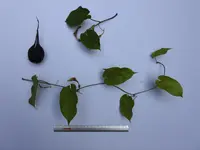
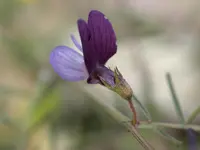
Aristolochia indica is a woody, twining vine known for its unusual, pipe-shaped flowers and heart-shaped leaves. It naturally occurs in tropical and subtropical regions of South and Southeast Asia.

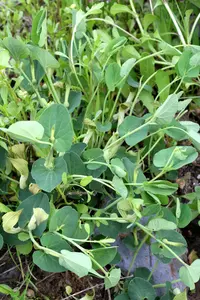
The plant climbs over supports or nearby vegetation and can form a dense, leafy screen in warm climates. Its flowers have a strong scent that attracts specific pollinating insects.

This species prefers warm temperatures, consistent moisture, and fertile, well-drained soil. In cultivation, it can be somewhat demanding, as it dislikes cold, drought, and waterlogged conditions.

Gardeners who learn how to care for Aristolochia indica often find it rewarding for wildlife-focused or specialty collections, rather than for casual, low-maintenance plantings.

Main Plant Requirements

Care Difficulty

Moderate Care

Light Preference

Partial Shade

Water Requirements

Regular Water

Temperature Preference

Tropical / Frost Sensitive

Hardiness Zone

10–12

Soil Texture

Loamy, Sandy, Organic-rich

Soil pH

Acidic (5.5–6.5), Slightly acidic (6.5–7.0)

Soil Drainage

Moist but well-drained

Fertilization

Minimal (feed rarely)

Get Personalized Care Plan

Scan your plant to receive care tips personalized for your specific plant

Available on iOS and Android

How to Care for the Aristolochia indica

This twining vine prefers bright, gentle light similar to its native woodland edges.

  • Provide 3–5 hours of gentle morning sun with bright, filtered light the rest of the day to support steady growth and flowering in Aristolochia indica.
  • Allow light to pass through a thin canopy, pergola, or shade cloth, especially in hot climates, to protect leaves from scorch during strong midday and afternoon sun.
  • In summer, shift exposure toward dappled or partial shade; in cooler seasons, increase direct morning sun to compensate for lower light intensity.

This species prefers steadily moist but not waterlogged soil around its roots.

  • Water when the top 2–4 cm of soil feels dry, aiming for evenly moist soil that never stays soggy or completely dries out for long periods.
  • Use deep watering so moisture reaches the full root zone, then allow excess to drain freely; avoid standing water, which leads to root rot and yellowing leaves.
  • In hot, dry periods increase watering frequency, while in cooler or rainy seasons reduce it; wilting, curled leaves, and dry, brittle stems signal underwatering.

This plant grows best in warm, frost-free conditions typical of subtropical to tropical climates.

  • Aim for an active growth range of 70–86°F (21–30°C), where shoots extend quickly and flowering is most reliable.
  • Protect from temperatures below 50°F (10°C); growth slows near this point, and light frost can damage foliage or kill young stems.
  • The plant tolerates brief heat up to about 95°F (35°C) if soil moisture is maintained, but extended extreme heat with dry soil causes leaf scorch and stress.

This vine prefers moderate humidity but usually adapts to typical household air if not kept extremely dry.

  • Aim for 40–60% humidity to reduce leaf edge browning and support steady growth.
  • Tolerates brief drier spells, but prolonged very dry air may cause curling, brittle foliage, and stalled new growth.
  • Increase humidity with a nearby pebble tray or grouped plants rather than misting, which adds only short-lived moisture.

Aristolochia indica grows best in loose, slightly moist, well-drained soil with high organic content.

  • Use a loamy mix built from roughly 50% compost or aged bark, 30% garden loam, and 20% coarse sand or perlite for structure and drainage.
  • Target a slightly acidic to neutral pH around 6.0–7.0, avoiding strongly alkaline conditions that can lock up nutrients.
  • Ensure the mix drains freely yet holds some moisture; water should pass through within seconds rather than pooling on the surface.
  • Avoid compacted, heavy clay or pure sand; improve poorly structured soil by blending in organic matter and coarse particles for better aeration.

This species is suitable for container growing when given a stable support and enough root volume for its climbing habit.

  • Choose a wide, heavy container to counterbalance the vine and reduce tipping once the plant climbs a support or trellis.
  • Select a pot material with moderate moisture retention, such as thick-walled terracotta or ceramic, to buffer against rapid drying in warm weather.
  • Position the pot where it cannot easily be knocked or blown over, and anchor any vertical support directly in the container for stability.

This vigorous vine benefits from moderate, controlled feeding to support leafy growth without becoming overly lush.

  • Use a balanced liquid fertilizer (around 10-10-10) diluted to 1/2 strength every 4–6 weeks during the warm growing season.
  • Alternatively, apply a light layer of mature compost or a low-rate slow-release fertilizer once in spring.
  • Avoid fertilizing in winter or dormancy; excess nutrients in cool, low-light conditions can stress Aristolochia indica.
  • Always water before applying fertilizer to reduce root burn and encourage even nutrient uptake.

Thoughtful pruning keeps this twining vine manageable and encourages healthy new growth.

  • Carry out main pruning in late winter or early spring before vigorous new shoots appear.
  • Remove dead, damaged, or crossing stems first, then thin congested areas to improve air flow.
  • Shorten overly long vines to maintain the desired shape and keep growth within its support structure.
  • Use clean, sharp hand pruners and make cuts just above a healthy leaf node on Aristolochia indica.

This species is most often grown in the ground, but young container plants or nursery stock may need occasional transplanting.

  • Look for roots circling the pot drainage holes, compacted soil, or slowed growth as signs a plant needs a larger space.
  • Transplant in spring when temperatures are warming, typically every 2–3 years for container-grown vines.
  • Choose a slightly larger pot or ground site with free-draining soil, and keep the original soil level at the same height.
  • Water thoroughly after moving to settle soil around the roots, then shade for a few days to reduce transplant shock.

Aristolochia indica is usually propagated by seeds or semi-ripe stem cuttings under warm, stable conditions.

  • Sow fresh seeds in spring in a well-draining, slightly moist mix at 70–80°F, keeping humidity moderately high.
  • Take semi-ripe cuttings in late spring or summer, 8–10 cm long, with 2–3 nodes each.
  • Dip cut ends in rooting hormone, then insert into a sterile, airy medium and keep in bright, indirect light.
  • Maintain consistent moisture without waterlogging and provide gentle bottom heat if possible to improve rooting success.

This tropical vine is not frost hardy and needs protection in regions with cold winters.

  • In areas below USDA zone 10, grow in containers so plants can be moved indoors before temperatures drop near 40°F.
  • For in-ground plants in mild climates, apply a 5–8 cm mulch layer around the root zone, keeping mulch off stems.
  • Indoors, overwinter in bright, indirect light with reduced watering, allowing the top soil layer to dry slightly between waterings.

Care Tips

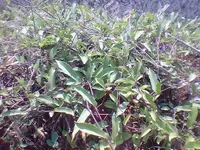
Provide firm support

Install a sturdy trellis, wire mesh, or fence before planting so the vine can attach early and climb safely without damaging nearby structures or other plants.

Guide young stems

Gently tie young shoots to the support with soft ties or garden tape in a loose figure-eight pattern, checking twice a year and loosening or replacing ties as stems thicken.

Manage vigorous spread

Use a root barrier or plant in a large, contained bed, then prune long runners at the edges 2–3 times per year to prevent the vine from overtaking nearby shrubs or small trees.

Encourage host insects

If the goal is to support butterflies, avoid broad-spectrum insecticides nearby and plant a small patch of diverse native nectar plants within 1–2 m to attract adult butterflies to lay eggs on the vine.

Handle toxicity safely

Wear gloves when cutting or repotting, keep clippings away from pets and children, and dispose of prunings in green waste rather than compost, which is an important part of caring for Aristolochia indica in home gardens.

Common Pests and Diseases

Leaf miner caterpillars

This pest tunnels inside the leaves, creating serpentine trails, blotches, and premature yellowing or drying of foliage. Symptoms include weakened vines and reduced leaf area, especially on young growth.

Solution

Handpick and destroy mined leaves at an early stage and regularly inspect tender shoots. For heavier infestations, use Bacillus thuringiensis (Bt) spray on young caterpillars and encourage predators such as birds by providing diverse planting nearby; avoid broad-spectrum insecticides that can harm beneficial insects when growing Aristolochia indica outdoors as a host plant.

Swallowtail butterfly larvae

These insects feed heavily on leaves, often stripping sections of the vine but typically without killing established plants. Symptoms include ragged leaf edges, missing foliage, and visible green or dark caterpillars on stems and undersides of leaves.

Solution

On ornamental vines where defoliation is a concern, handpick excess larvae and relocate them to other suitable host vines if available. Netting can protect young plants, but gardeners who prioritize butterfly habitat usually tolerate some leaf loss as part of Aristolochia indica care instructions.

Leaf spot

This disease causes small brown or black spots that may enlarge, merge, and sometimes show yellow halos, leading to premature leaf drop. Symptoms include patchy thinning of foliage and a generally stressed appearance in humid, crowded plantings.

Solution

Remove and discard affected leaves, avoid overhead watering, and improve spacing and airflow around the vine. In persistent or severe cases, apply a copper-based fungicide according to label directions during warm, wet periods to protect new growth.

Stem canker

This disease produces sunken, dark lesions on stems that can girdle shoots, causing sudden wilting and dieback beyond the affected area. Symptoms include cracked or discolored bark on older stems and poor regrowth from infected sections.

Solution

Prune out cankered stems well below visible damage with sterile tools and dispose of pruned material away from the garden. Keep the base of the plant free of dense debris, avoid mechanical injury to stems, and maintain moderate, not excessive, soil moisture to reduce stress and infection risk.

Interesting Facts

Specialist butterfly host

This species is a primary larval host plant for several swallowtail butterflies in South Asia, including common rose (Pachliopta aristolochiae) and crimson rose (P. hector), whose caterpillars feed on its leaves and sequester its toxins for their own defense.

Pipe-shaped trap flowers

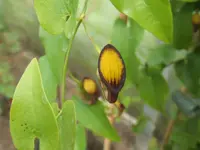
Its dark, curved, pipe-like flowers use a temporary trapping mechanism with downward-pointing hairs and scent cues to hold small pollinating insects, usually flies, for a short time before releasing them dusted with pollen.

Toxic but chemically studied

The plant contains aristolochic acids, which are nephrotoxic compounds known to damage kidneys and increase cancer risk, and these molecules are now used mainly as reference compounds in toxicology and pharmacology research rather than for traditional remedies.

Botan icon

Did you know?

Aristolochia indica is thought to be one of the earliest Aristolochia species formally described from the Indian subcontinent, and it has long been used as a key reference species for defining and comparing floral structure across the genus in classical botanical literature.

FAQs about Aristolochia indica

This species is a twining climber. It winds around nearby supports such as trellises, fences, or shrubs rather than spreading along the ground. Without something to climb, stems tangle and may become weak or damaged.

Grow Healthy Plants with Botan Care

Keep your plants happy and healthy with plant identification, disease detection, and easy care guidance.

Botan plant care app — identify plants on mobile

Explore More Plants