Provide climbing support
Install a slim moss pole or textured stake close to the main stem early on so aerial roots can attach and create stronger, larger leaves over time.

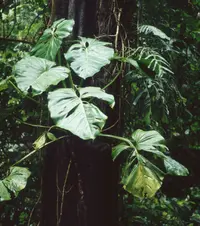
Philodendron pterotum is a climbing aroid grown mainly for its narrow, deeply divided foliage and architectural, tropical look. It typically grows as a vine that benefits from a support such as a moss pole or trellis.
This species is native to tropical regions of Central and South America, where it grows in warm, humid forests as an understory plant. Its relatively thin leaves and vining habit reflect its adaptation to filtered light rather than direct sun.
In cultivation it is considered moderately easy, as long as stable warmth, good humidity, and a well-drained but moisture-retentive substrate are provided. Understanding how to care for Philodendron pterotum usually comes down to avoiding cold drafts, strong direct sun, and waterlogged soil.

Care Difficulty
Moderate Care

Light Preference
Bright Indirect Light

Water Requirements
Moderate Water

Temperature Preference
Tropical / Frost Sensitive

Hardiness Zone
10–11

Soil Texture
Loamy, Peaty, Organic-rich

Soil pH
Acidic (5.5–6.5), Slightly acidic (6.5–7.0)

Soil Drainage
Moist but well-drained

Fertilization
Light (every 4–6 weeks)
Scan your plant to receive care tips personalized for your specific plant
Available on iOS and Android
This species prefers bright, indirect light that mimics dappled forest shade.
Watering should aim for evenly moist but never waterlogged soil.
Stable, warm conditions support steady growth and reduce stress.
This species prefers moderate to high humidity and reacts quickly to very dry air.
This aroid prefers a loose, airy mix that drains quickly yet holds some moisture.
This species is well suited to container growing when the pot supports its vining habit and moisture needs.
This species benefits from light, steady feeding during the warm growing months in containers.
Pruning is mainly used to maintain size, remove damage, and keep the plant tidy.
Container-grown plants benefit from periodic repotting to maintain root health and stable growth.
This species is commonly propagated from stem cuttings taken during active growth.
This tropical aroid is frost-sensitive and needs warm, sheltered conditions through winter in most climates.

Plant Health Check
Not sure what's wrong with your plant? Check your plant's health inside the app.
This species is recognized by its very narrow, deeply pinnatifid leaves that look almost winged, a feature that sets it apart from most other philodendrons with broader blades.
In nature it often starts life attached to trees as a hemi-epiphyte, then produces long climbing stems that use adventitious roots to anchor into bark and reach brighter layers of the forest understory.
Its taxonomic history has been complex, with earlier misidentifications and confusion with related narrow-lobed species, so older literature may place it under different names or informal designations.
This species is primarily a climbing aroid. It produces aerial roots that anchor into bark, moss poles, or other supports. Without something to climb, stems may sprawl horizontally and look untidy, with longer internodes and fewer leaves.
Keep your plants happy and healthy with plant identification, disease detection, and easy care guidance.