oceanblue morning-glory Care (Ipomoea indica)

Also known as: Blue morning glory, Blue Dawn Flower, Purple Morning Glory, Perennial Morning Glory
oceanblue morning-glory

About oceanblue morning-glory

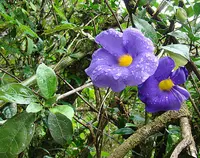
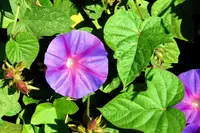
Oceanblue morning-glory (Ipomoea indica) is a fast-growing, twining vine known for its large, funnel-shaped blue to purple flowers. It is typically evergreen in mild climates and can form dense, leafy curtains on fences, trellises, or walls.

This species is native to subtropical and tropical regions, including parts of the Americas and some Pacific islands, and often behaves as a vigorous naturalized plant in warm areas. Stems can root where they touch soil, which makes it both effective for coverage and potentially invasive outdoors.

It is generally easy to grow in full sun with moderate moisture and well-drained soil, but its rapid growth means it needs space and regular control. Learning how to care for oceanblue morning-glory helps keep its growth manageable and flowering reliable.

Main Plant Requirements

Care Difficulty

Moderate Care

Light Preference

Full Sun

Water Requirements

Moderate Water

Temperature Preference

Tropical / Frost Sensitive

Hardiness Zone

9–11

Soil Texture

Sandy, Loamy, Organic-rich

Soil pH

Acidic (5.5–6.5), Slightly acidic (6.5–7.0)

Soil Drainage

Well-drained

Fertilization

Light (every 4–6 weeks)

Get Personalized Care Plan

Scan your plant to receive care tips personalized for your specific plant

Available on iOS and Android

How to Care for the oceanblue morning-glory

This vigorous vine thrives in bright outdoor conditions with abundant direct sun.

  • Provide 6–8 hours of direct sun daily; morning sun with some light afternoon shade is ideal in hot summer regions.
  • Tolerates light or dappled shade for part of the day, but oceanblue morning-glory will produce fewer, smaller flowers and stretch toward light if shade is prolonged.
  • In cooler seasons or coastal climates, it can handle full sun all day; watch for leaf scorch in very dry, reflective spots and add filtered shade if edges brown.

This fast-growing climber prefers evenly moist but not waterlogged soil during active growth.

  • Water when the top 3–5 cm of soil feels dry, soaking the root zone deeply so moisture reaches the full planting depth, then allow excess to drain away.
  • Use well-drained soil and avoid standing water; yellowing, soft leaves and a sour smell indicate overwatering, while crisp leaves and wilting that persists after watering indicate underwatering.
  • Reduce watering in cool seasons when growth slows, but do not let established Ipomoea indica remain bone-dry for long in windy or very sunny sites.

This tropical perennial vine favors warm, frost-free conditions for reliable growth and flowering.

  • Aim for 65–85°F (18–29°C) for best growth; flowering is most vigorous when nights stay above about 60°F (16°C).
  • Plants are damaged around 32°F (0°C) and may die back completely below 28°F (-2°C), so treat as an annual or provide protection where hard frost is common.
  • Tolerates brief heat up to 95–100°F (35–38°C) if soil moisture is adequate; mulch roots and avoid reflected heat from walls to limit stress and flower drop.

Ipomoea indica grows well in typical outdoor humidity but benefits from slightly moist air in hot, dry regions.

  • Aim for 40–60% humidity; occasional brief dips lower are tolerated without serious stress.
  • Dry air may cause marginal leaf browning, crisp edges, and slower vine growth during peak heat.
  • Increase humidity locally by mulching the root zone, grouping plants, or placing nearby water trays that evaporate slowly.

This vine prefers light, well-aerated soil that drains quickly yet holds some moisture.

  • Use a loamy mix with 40–50% garden soil, 30–40% compost, and 10–20% coarse sand or perlite for structure and drainage.
  • Target a slightly acidic to neutral pH of 6.0–7.0 to support nutrient availability and healthy root activity.
  • Improve aeration by incorporating coarse particles such as perlite or fine bark, especially in heavy or compacted ground.
  • Avoid waterlogged, clay-heavy, or salty soils, which promote root rot and weak, chlorotic foliage in Ipomoea indica.

This species is suitable for container growing when the pot provides enough volume and stability for vigorous vines like the oceanblue morning-glory.

  • Choose a heavy, wide-based container to resist tipping once the vine climbs or when a trellis is attached.
  • Select a pot at least 30–40 cm deep so the fast-growing root system can anchor and support abundant top growth.
  • Use a very free-draining mix in containers, as confined roots are more prone to rot if excess moisture lingers around them.

This vigorous vine benefits from moderate feeding to support fast growth and flowering.

  • Use a balanced NPK fertilizer at half strength or well-rotted compost for oceanblue morning-glory during active growth.
  • Feed every 4–6 weeks in spring and summer, focusing on soil-grown plants or large containers.
  • Avoid high-nitrogen products, which push leafy growth over blooms.
  • Reduce or stop fertilizing in late fall and winter when growth slows or the plant becomes semi-dormant.

Pruning helps control size and improve flowering in Ipomoea indica.

  • Carry out main pruning in late winter or very early spring before strong new growth starts.
  • Remove dead, damaged, tangled, or overcrowded stems to improve light and air movement.
  • Shorten overly long vines to manage spread and direct growth along trellises or supports.
  • Use sharp, clean pruners and make angled cuts just above a leaf node to encourage branching.

This fast-growing vine is more often transplanted outdoors than kept long term in small containers.

  • Look for roots circling the pot, water draining too quickly, or reduced vigor as signs it needs a larger container or ground planting.
  • Transplant in spring after frost risk has passed, typically every 1–2 years for container-grown plants.
  • Choose a slightly larger pot or well-drained garden spot, and handle the root ball gently to limit disturbance.
  • Water thoroughly after planting, shade for a few days if conditions are hot, and keep soil evenly moist while roots re-establish.

Ipomoea indica is commonly propagated from stem cuttings and sometimes from seed or layering.

  • Take 8–12 in softwood cuttings in late spring or summer from non-flowering shoots.
  • Remove lower leaves, place cuttings in moist, well-drained mix, and keep in bright, indirect light at 70–80°F.
  • Optional rooting hormone improves success, especially in cooler or less humid conditions.
  • Seeds need warmth and consistent moisture; lightly cover and keep soil just moist until germination.

This vine is frost-tender and needs protection in climates colder than USDA zone 9.

  • In mild climates, mulch the root zone 5–8 cm deep to buffer temperature swings and conserve moisture.
  • In cooler regions, grow in containers and move indoors or to a frost-free greenhouse before temperatures drop near 40°F.
  • Expect top growth to die back with light frost; in marginal climates, plants may resprout from protected roots in spring.

Care Tips

Early vine training

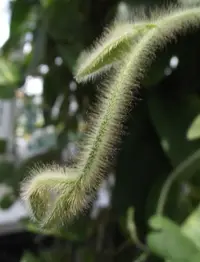
Install a sturdy trellis or wires before new growth starts in spring and gently spiral young stems around the support every few days so the plant develops an orderly, well-anchored framework instead of a tangled mass.

Root zone containment

In mild climates where this species can spread aggressively, grow it in large containers or install deep edging barriers (30–40 cm) around in-ground plantings to limit underground shoots and make seasonal control easier.

Seasonal hard cutback

In frost-free areas, cut vines back hard to 30–60 cm once a year at the end of winter to remove exhausted growth, reduce weight on supports, and stimulate vigorous new flowering stems.

Salt and wind tolerance

In coastal gardens, place plants where they receive some shelter from the strongest onshore winds, but allow light airflow, as this balances the plant’s good salt tolerance with reduced physical damage to the foliage and flowers.

Targeted pest scouting

Inspect the undersides of leaves and tender stem tips every 1–2 weeks during warm weather for caterpillars, spider mites, and leaf miners, and remove affected leaves or hand-pick pests early to keep interventions minimal while growing oceanblue morning-glory.

Common Pests and Diseases

Leaf miners

This pest tunnels inside the leaves, creating winding, pale trails that can distort and weaken foliage on vigorous vines like oceanblue morning-glory.

Solution

Remove and discard affected leaves early to reduce larval populations, keep plants well fertilized so new growth can replace damaged tissue, and use neem oil or spinosad sprays targeted to young larvae while avoiding applications during peak pollinator activity.

Spider mites

These insects feed on the undersides of leaves in hot, dry conditions, causing fine stippling, dulling of leaf color, and sometimes light webbing on vigorous vines.

Solution

Rinse foliage thoroughly with a strong but gentle stream of water, increase humidity around the plant, and apply insecticidal soap or neem oil to the undersides of leaves on a 5–7 day schedule until new growth appears clean.

Powdery mildew

This disease forms white, powdery patches on leaves and stems, which can lead to yellowing and premature leaf drop when vines grow dense with limited airflow.

Solution

Prune or thin tangled growth to improve air circulation, avoid overhead watering, promptly remove heavily infected leaves, and apply a sulfur or potassium bicarbonate-based fungicide at the first sign of powdery spots.

Rust

This disease produces small orange, yellow, or brown pustules on the undersides of leaves, often causing spotting and early leaf drop on stressed or overcrowded vines.

Solution

Remove and destroy affected leaves, avoid wetting foliage late in the day, improve spacing and air movement, and use a labeled copper or chlorothalonil fungicide if new pustules continue to appear.

Southern blight

This disease attacks stems at the soil line, causing sudden wilting, stem collapse, and white fungal growth with small tan sclerotia (seed-like structures) on the soil surface in warm, humid climates.

Solution

Pull and discard infected plants with surrounding soil, avoid replanting in the same spot for several years, improve drainage and avoid deep mulches touching stems, and in high-risk areas consider raised beds and crop rotation to reduce inoculum levels.

Interesting Facts

Perennial morning-glory vine

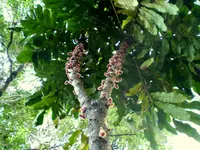
Unlike many common morning-glory species that are annuals, this species is a true perennial in mild climates, forming long-lived woody vines that can persist for many years and resprout after light frosts.

Flowers stay open longer

Its large bluish to purplish funnel-shaped flowers often remain open well into the day and can show color shifts with age, rather than closing strictly by late morning like many other morning-glories.

Clonal spread by stems

This vine roots readily at stem nodes where they touch moist soil, allowing it to spread clonally and form dense mats that can overtop shrubs and young trees in frost-free regions.

Botan icon

Did you know?

In several Pacific and Atlantic islands, including parts of Hawaii and Macaronesia, this species is listed as an invasive environmental weed because its vigorous growth can smother native coastal and forest vegetation and alter light conditions for understory plants.

FAQs about oceanblue morning-glory

This vine can spread vigorously in mild climates, rooting where stems touch soil and scrambling over nearby plants or structures. Regular pruning, sturdy supports, and prompt removal of unwanted shoots help prevent it from overwhelming smaller or slower-growing neighbors.

Grow Healthy Plants with Botan Care

Keep your plants happy and healthy with plant identification, disease detection, and easy care guidance.

Botan plant care app — identify plants on mobile

Explore More Plants