Thicket Spurflower Care (Coleus madagascariensis)

Also known as: Common Thicket Spurflower
Thicket Spurflower

About Thicket Spurflower

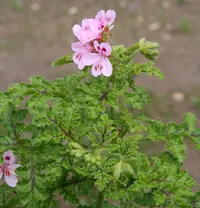
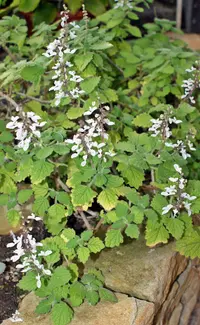
Thicket spurflower, Coleus madagascariensis, is a soft, spreading perennial often grown as a trailing or groundcover plant. It is valued for its small, rounded, often variegated leaves and a dense, cascading habit.

In nature it occurs in parts of Madagascar and nearby regions with warm, frost-free conditions. Gardeners use it in hanging baskets, mixed containers, or as an edging plant where its foliage can spill gracefully.

Its fast growth and forgiving nature make it relatively easy to manage, though it can be sensitive to cold and prolonged drought. It generally prefers bright light, moderate moisture, and well-drained soil, and these traits guide how to care for Thicket Spurflower.

Main Plant Requirements

Care Difficulty

Moderate Care

Light Preference

Partial Shade

Water Requirements

Keep Soil Moist

Temperature Preference

Tropical / Frost Sensitive

Hardiness Zone

10–11

Soil Texture

Sandy, Loamy, Organic-rich

Soil pH

Acidic (5.5–6.5), Slightly acidic (6.5–7.0)

Soil Drainage

Moist but well-drained

Fertilization

Moderate (every 2–4 weeks)

Get Personalized Care Plan

Scan your plant to receive care tips personalized for your specific plant

Available on iOS and Android

How to Care for the Thicket Spurflower

Coleus madagascariensis prefers bright, indirect light that protects its tender foliage from harsh rays.

  • Provide 3–5 hours of gentle morning sun with bright, filtered light or open shade for the rest of the day, especially in warm climates.
  • Thicket Spurflower tolerates partial shade, but in deep shade leaves may fade, stretch, and lose compact form, especially during shorter winter days.
  • Avoid strong midday and afternoon sun, which can scorch leaves and bleach color; use sheer curtains or dappled tree shade in summer, adjusting exposure gradually.

Coleus madagascariensis needs consistently moist but not waterlogged soil to maintain healthy growth.

  • Water when the top 2–3 cm of soil feels dry, then water thoroughly so excess drains away, avoiding standing water around the roots.
  • In summer or hot, windy weather, expect faster drying and more frequent watering, while in cooler seasons allow slightly longer drying between waterings.
  • Yellowing, soft leaves often indicate overwatering and poor drainage, while limp, drooping leaves that perk up after watering signal underwatering stress.

This species thrives in warm, frost-free conditions that mimic a mild tropical to subtropical climate.

  • Aim for 65–80°F (18–27°C) for active growth; plants slow noticeably below about 60°F (16°C).
  • Coleus madagascariensis is very sensitive to cold and cannot tolerate frost; growth is damaged near 40°F (4°C) and plants may die below freezing.
  • In hot spells above 90°F (32°C), provide shade and steady soil moisture to reduce heat stress, and avoid hot, reflective sites near walls or pavement.

This species prefers moderate household humidity but benefits from slightly higher levels in heated or air‑conditioned homes.

  • Aim for 40–60% humidity; it tolerates short dips lower but may drop leaves if air stays very dry.
  • Dry tips, curling leaves, and slowed growth indicate humidity stress, especially on Thicket Spurflower kept near heating vents.
  • Increase humidity by grouping plants, placing the pot on a pebble tray with water, or running a small humidifier nearby.

Coleus madagascariensis performs best in light, airy, fast-draining soil that still holds some moisture.

  • Use a peat- or coco-based mix with plenty of compost and 20–30% perlite for structure and aeration.
  • Aim for slightly acidic to neutral pH around 6.0–7.0 to support nutrient uptake and stable growth.
  • Ensure water drains freely from the pot within seconds; add coarse sand or fine bark if water lingers on the surface.
  • Avoid heavy garden soil, compacted mixes, or pots that stay wet for hours, which promote root rot and weak stems.

This species is very suitable for container growing on patios, balconies, or as a movable accent.

  • Choose a wide, stable pot to support its spreading, trailing habit so stems do not tip the container over as they elongate.
  • Select slightly porous materials like terracotta if overwatering is likely, or glazed pots if the mix dries too quickly in hot weather.
  • Leave a few centimeters of space below the rim to allow thorough top watering without runoff, helping leach excess salts from the potting mix.

Coleus madagascariensis responds well to modest, consistent nutrition during its active growing season.

  • Apply a balanced liquid fertilizer (such as 10-10-10 or 20-20-20) diluted to 1/4–1/2 strength every 2–4 weeks in spring and summer.
  • Use a fine-textured compost or slow-release granular fertilizer in pots or beds to support foliage color and steady growth.
  • Rinse the soil with plain water every few feedings to prevent salt buildup, especially in containers.
  • In fall and winter, when growth slows, cut feeding back to once every 6–8 weeks or stop if the plant is semi-dormant.

Pruning helps Coleus madagascariensis stay compact, leafy, and well-shaped.

  • Pinch soft shoot tips in spring and summer to encourage branching and denser foliage.
  • Use clean, sharp scissors or pruners to remove dead, damaged, or leggy stems back to healthy nodes.
  • Thin crowded stems to improve light penetration and airflow through the plant canopy.
  • Snip off flower spikes as they form if the goal is fuller foliage rather than seed production.

Container-grown plants benefit from periodic repotting to maintain healthy roots and vigorous growth.

  • Check for roots circling the pot, emerging from drainage holes, or unexplained slow growth as signs repotting is needed.
  • Plan to move Coleus madagascariensis to a slightly larger container every 1–2 years in spring after frost risk passes.
  • Gently loosen circling roots and remove a small amount of old, exhausted potting mix before setting into fresh, well-drained medium.
  • Water thoroughly after repotting, then keep in bright, indirect light for several days to limit transplant stress.

New plants are most commonly produced from softwood stem cuttings.

  • Take 8–10 cm cuttings from non-flowering shoots in late spring or summer, just below a node.
  • Strip lower leaves and place cuttings in water or a moist, sterile mix, keeping at 70–75°F with bright, indirect light.
  • Optional rooting hormone on the cut end can speed root formation and increase success rates.
  • Once roots reach 2–3 cm, pot each cutting individually in a light, well-drained mix and keep evenly moist.

This species is frost-tender and needs protection in climates with cold winters.

  • Move container plants indoors before temperatures fall below 50°F, placing them in bright, indirect light.
  • Outdoors, treat as an annual in cold regions, or take cuttings to overwinter indoors for the next season.
  • In mild, frost-free areas, a light mulch layer around the base helps buffer soil temperature and moisture.

Care Tips

Encourage Bushy Form

Pinch out the youngest shoot tips every 2–3 weeks during active growth to keep the plant compact, encourage dense branching, and prevent long, weak trailing stems.

Refresh Leggy Stems

If stems become bare at the base, cut them back by 1/3–1/2 in early spring and use the healthy stem tips as cuttings to replant around the pot for a fuller mound.

Easy Stem Propagation

Root 8–10 cm stem cuttings in clean water or moist, sterile potting mix, then group several rooted cuttings in one container to create an even, thick display when growing Thicket Spurflower.

Monitor Salt Build‑Up

Every 2–3 months, flush the pot thoroughly with plain water until it runs freely out of the drainage holes to reduce fertilizer salt accumulation that can burn leaf edges on this species.

Rotate For Even Color

Turn the container 1/4 turn every 1–2 weeks so all sides receive similar light exposure, which helps maintain uniform foliage color and balanced, symmetrical growth.

Common Pests and Diseases

Mealybugs

This pest feeds on sap and hides in leaf joints and along stems, often leaving white, cottony masses and sticky honeydew. Symptoms include stunted growth, leaf yellowing, and sooty mold growing on the honeydew deposits.

Solution

Isolate the plant, then dab visible insects with cotton swabs dipped in 70% isopropyl alcohol and gently wipe leaf joints and stems. For heavier infestations, wash the plant thoroughly with lukewarm water and use a ready-to-use insecticidal soap or neem oil spray every 7–10 days until no new mealybugs appear.

Aphids

These insects cluster on tender shoot tips and undersides of leaves, sucking sap and causing curling, distortion, and sticky honeydew that can attract ants. New growth often appears misshapen and may show yellowing or mottling.

Solution

Rinse the plant with a firm stream of water to knock off most aphids, then treat remaining colonies with insecticidal soap, ensuring full coverage of shoot tips and leaf undersides. Improve air circulation and regularly inspect new growth to catch and remove small colonies early by pinching or wiping them away.

Spider mites

This pest thrives in warm, dry indoor air, causing tiny yellow stippling on leaves, dull foliage color, and fine webbing between stems and leaves. Symptoms include gradual leaf drop and overall decline if not corrected.

Solution

Increase humidity around the plant, then rinse foliage thoroughly under a gentle shower to remove mites and webbing. Follow with repeated applications of miticidal products labeled for ornamentals, such as neem oil or insecticidal soap, every 5–7 days, focusing on leaf undersides and inner stems until new growth appears clean and undamaged.

Downy mildew

This disease produces yellow or pale patches on the upper leaf surface and grayish to purplish fuzzy growth on the undersides, especially in cool, humid conditions. Symptoms include rapid leaf drop and thinning of the plant canopy.

Solution

Remove and discard all affected leaves, increase spacing and airflow, and keep foliage as dry as possible by watering at soil level. In humid climates, use a copper-based or phosphorous acid fungicide labeled for downy mildew on ornamentals, applying preventively during extended cool, damp periods as part of broader Coleus madagascariensis plant care.

Bacterial leaf spot

This disease causes small dark, water-soaked spots on leaves that may enlarge, coalesce, and sometimes develop yellow halos before tissue turns brown and dry. Symptoms include scattered dead patches on foliage and premature leaf drop, especially after overhead watering or splashing.

Solution

Promptly remove and discard affected leaves and avoid overhead watering, keeping foliage dry and handling the plant only when leaves are not wet. In recurring cases, improve spacing and air movement and use a copper-based bactericide according to label directions, focusing on preventing spread to healthy foliage.

Interesting Facts

Madagascar coastal origins

This species is naturally associated with rocky and coastal habitats in Madagascar, where it experiences bright light, good air movement, and sharp drainage that shape its trailing, scrambling growth habit.

Trailing aromatic foliage

The plant forms long, pendant stems with small, rounded leaves that release a noticeable minty or resinous scent when rubbed, reflecting its placement in the mint family Lamiaceae.

Fast, short-lived perennial

In frost-free climates it behaves as a quick-growing, short-lived perennial that can flower and set seed within a relatively short time, which is typical for many coleus relatives adapted to disturbed or open sites.

FAQs about Thicket Spurflower

Lack of blooms usually comes from insufficient light, excessive nitrogen fertilizer, or old, unpruned stems. Provide bright conditions, use a balanced fertilizer, and lightly prune after each flush of flowers to stimulate new flowering shoots.

Grow Healthy Plants with Botan Care

Keep your plants happy and healthy with plant identification, disease detection, and easy care guidance.

Botan plant care app — identify plants on mobile

Explore More Plants