Pseuderanthemum alatum Care

Pseuderanthemum alatum

About Pseuderanthemum alatum

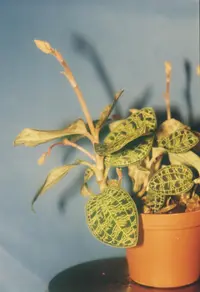
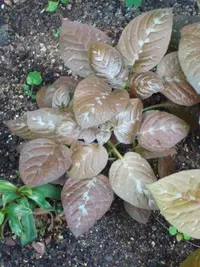
Pseuderanthemum alatum is a tropical evergreen shrub grown mainly for its colorful foliage and compact, bushy habit. It usually stays low and dense, making it suitable for small gardens and container culture. Native to parts of tropical Asia, it prefers warm, humid conditions and does not tolerate cold or prolonged dryness. Its leaves often show rich green tones sometimes with subtle patterning, while the overall form stays neat with light pruning. This species is considered moderately easy if its warmth and moisture needs are met. Understanding how to care for Pseuderanthemum alatum focuses mainly on providing bright, filtered light, evenly moist but not waterlogged soil, and protection from drafts.

Main Plant Requirements

Care Difficulty

Moderate Care

Light Preference

Partial Shade

Water Requirements

Moderate Water

Temperature Preference

Tropical / Frost Sensitive

Hardiness Zone

11–12

Soil Texture

Loamy, Sandy, Organic-rich

Soil pH

Acidic (5.5–6.5), Slightly acidic (6.5–7.0)

Soil Drainage

Moist but well-drained

Fertilization

Light (every 4–6 weeks)

Get Personalized Care Plan

Scan your plant to receive care tips personalized for your specific plant

Available on iOS and Android

How to Care for the Pseuderanthemum alatum

This species prefers bright, filtered light and protection from intense midday sun.

  • Provide 4–6 hours of bright, indirect light daily, such as dappled shade under taller plants or light behind a sheer curtain indoors for Pseuderanthemum alatum.
  • Allow gentle morning sun but avoid strong afternoon sun, which can cause leaf scorch, crispy edges, and fading of foliage color.
  • In summer, move plants slightly deeper into shade if leaves pale; in winter, shift closer to brighter windows or south-facing exposures to compensate for shorter days.

This plant prefers evenly moist, well-drained soil without staying soggy.

  • Water when the top 2–3 cm of soil feels dry, using enough water so it drains freely from the pot or bed, then discard any standing water from saucers.
  • Reduce watering in cooler months when growth slows, allowing the top 3–4 cm to dry, but avoid complete drying of the root zone for Pseuderanthemum alatum.
  • Watch leaves for guidance: drooping, thin leaves signal underwatering, while yellowing, soft leaves and a sour soil smell suggest overwatering or poor drainage.

This tropical shrub grows best in consistently warm, frost-free conditions.

  • Aim for 65–80°F (18–27°C) for active growth, which supports healthy leaf color and steady shoot development.
  • Protect from cold; growth slows below 60°F (16°C), tissue damage can occur below 50°F (10°C), and plants are usually killed by frost near 32°F (0°C).
  • In hotter periods above 85°F (29°C), provide extra shade and airflow to prevent heat stress, and avoid placing plants near heat-reflective surfaces such as south-facing walls or pavement.

This species prefers moderately humid air and reacts quickly to very dry conditions.

  • Aim for 50–70% humidity, as very dry heated rooms can cause leaf edges to brown and curl.
  • Watch for drooping, crispy margins, and stalled growth as signs of humidity stress.
  • Increase humidity with a nearby humidifier, grouped plants, or a pebble tray, but avoid misting leaves in cool, still air.

Provide loose, well-aerated soil that drains quickly yet holds some moisture.

  • Use a peat- or coco-based mix with 30–40% perlite or fine bark to keep the structure airy.
  • Aim for slightly acidic to neutral pH around 6.0–7.0, which supports nutrient uptake and root health.
  • Incorporate fine compost for organic matter but avoid heavy garden soil that compacts and holds water around roots.
  • If the mix feels dense after watering, lighten it by adding more perlite or bark to prevent root rot in Pseuderanthemum alatum.

This species adapts well to container growing when the pot and drainage are managed carefully.

  • Choose a pot only 2–4 in wider than the root mass so the mix does not stay wet for long periods.
  • Select a stable, heavier container if the top growth becomes dense to prevent tipping in wind or accidental knocks.
  • Use a pot material that matches your climate: porous terracotta for humid areas, or glazed/plastic in hot, dry sites to slow moisture loss.

Nutrient-rich but well-drained soil supports healthy growth and foliage color in Pseuderanthemum alatum.

  • Use a balanced liquid fertilizer (for example 10-10-10 or 20-20-20) diluted to 1/2–1/4 strength for container plants.
  • Feed every 3–4 weeks during the warm growing season when the plant is actively producing new shoots.
  • Reduce feeding to 1 light application in late winter or stop entirely if growth slows and light is low.
  • For in-ground plants, mix compost into the topsoil in spring instead of frequent synthetic feeding.

Thoughtful pruning keeps Pseuderanthemum alatum compact, leafy, and productive.

  • Carry out main shaping in late winter or early spring before vigorous new growth starts.
  • Use clean, sharp hand pruners to remove dead, diseased, or crossing stems back to healthy tissue.
  • Tip back leggy shoots by 3–5 cm to encourage branching and denser foliage.
  • Thin crowded interior stems to improve light penetration and airflow, which supports healthier growth.

Container-grown plants benefit from occasional repotting to maintain root health and stable growth.

  • Check for roots circling the pot, growing from drainage holes, or noticeably slower growth as signs it needs a larger container.
  • Plan to repot every 2–3 years in spring, shifting to a pot 2–5 cm wider with fresh, well-drained mix.
  • Water the plant the day before, then gently loosen and untangle circling roots without tearing large sections.
  • After repotting, water thoroughly, keep in bright but indirect light for 3–7 days, and avoid heavy feeding until new growth resumes.

Most home growers propagate Pseuderanthemum alatum from softwood or semi-ripe stem cuttings.

  • Take 8–12 cm cuttings in late spring or summer from non-flowering shoots with several leaf nodes.
  • Remove lower leaves, optionally dip the cut end in rooting hormone, and insert into a moist, sterile, free-draining mix.
  • Maintain high humidity (cover with a clear dome or bag) and provide bright, indirect light at 70–80°F.
  • Keep the medium just slightly moist; transplant rooted cuttings once new growth appears and resistance is felt when tugged.

This species is frost tender and needs protection in regions with cold winters.

  • In USDA zones colder than 10, grow Pseuderanthemum alatum in containers so plants can be moved indoors before frost.
  • Position indoor plants in bright, indirect light and maintain temperatures above 55°F for stable health.
  • Reduce watering and stop or greatly reduce feeding during winter when growth slows.
  • In mild climates, apply a light organic mulch around the root zone, keeping it a few cm away from stems.

Care Tips

Pinch For Bushiness

Pinch out just the soft shoot tips every 3–4 weeks during active growth to keep stems compact and encourage dense foliage instead of lanky, open growth when growing Pseuderanthemum alatum.

Rotate For Even Shape

Turn the pot 90° every 1–2 weeks so light reaches all sides evenly and stems do not lean or twist strongly toward one direction.

Use Light Staking

Insert a slim stake or small hoop support early if stems start to lean, tying loosely with soft plant ties so they stay upright without cutting into the tissue.

Seasonal Pot Refresh

Once a year at the start of the warm season, remove the top 2–3 cm of spent potting mix, replace it with fresh mix, and gently loosen the outer roots to stimulate new root and shoot growth.

Prevent Spider Mites

Inspect the undersides of leaves weekly and, if fine webbing or stippling appears, rinse foliage under a gentle shower and apply a horticultural soap spray according to label directions before the infestation becomes severe.

Common Pests and Diseases

Spider mites

This pest often appears when air is warm and dry, causing fine webbing, stippled leaves, and gradual yellowing on Pseuderanthemum foliage. Symptoms include slowed growth and leaf drop if the infestation is heavy.

Solution

Rinse both sides of the leaves with a firm stream of lukewarm water, then treat with insecticidal soap or a neem oil spray every 5–7 days until no new damage appears. Raise humidity, avoid letting the plant dry out excessively, and inspect the undersides of leaves regularly as part of Pseuderanthemum alatum care instructions.

Mealybugs

These insects cluster in leaf axils and on stems, appearing as white, cottony patches that suck sap and excrete sticky honeydew. Symptoms include distorted new growth and sooty mold growing on the honeydew deposits.

Solution

Isolate the plant, then dab visible mealybugs with cotton swabs dipped in 70% isopropyl alcohol and wipe affected areas thoroughly. Follow with repeated applications of insecticidal soap or neem oil, checking hidden areas such as leaf joints and under lower leaves every week until the infestation is gone.

Scale insects

This pest forms small brown or tan bumps firmly attached to stems and leaf veins, feeding on sap and weakening the plant. Symptoms include sticky leaves, yellowing, and reduced vigor over time.

Solution

Gently scrape or rub off scale with a soft cloth or fingernail, then spray stems and leaf midribs with horticultural oil to suffocate remaining insects. Repeat treatments every 7–10 days and improve light and overall plant vigor to help the plant outgrow minor damage.

Leaf spot

This disease causes irregular brown or black spots on leaves, sometimes with yellow halos, often starting on older foliage in dense or poorly ventilated conditions. Symptoms include gradual thinning of the canopy as affected leaves yellow and fall.

Solution

Remove and discard all spotted leaves, then improve airflow and avoid wetting the foliage when watering. If new spots continue to appear, apply a copper-based or broad-spectrum fungicide labeled for ornamental foliage plants and maintain a drier leaf surface by watering at the soil level in the morning.

Bacterial blight

This disease produces water-soaked, dark lesions that can spread along leaf edges and stems, especially in warm, humid, overcrowded conditions. Symptoms include rapid collapse of young shoots and a sour or unpleasant odor from severely affected tissue.

Solution

Immediately prune and discard all affected stems and leaves, sterilizing pruning tools with 70% isopropyl alcohol between cuts. Reduce overhead misting, space plants for better airflow, avoid leaf contact with contaminated water, and, in severe cases, discard heavily infected plants to prevent spread to other Pseuderanthemum species nearby.

Interesting Facts

Distinctive winged stems

This shrub develops flattened, wing-like extensions along its young green stems, a feature reflected in the epithet alatum, which means winged in Latin and helps distinguish it from many other Pseuderanthemum species with round stems.

Seasonal violet bloom

It produces small, pale to deep violet tubular flowers, often with darker markings on the lobes, borne in loose clusters that attract small insect pollinators in warm, humid climates.

Native forest understory

The species occurs naturally in shaded or semi-shaded lowland forest understories in tropical Asia, where it grows as a small shrub in moist, humus-rich soils rather than in exposed, open habitats.

FAQs about Pseuderanthemum alatum

This species generally performs better outdoors in warm, frost-free climates where it gets bright light, warmth, and space to branch. In cooler regions it can be grown in containers and moved indoors during cold weather.

Grow Healthy Plants with Botan Care

Keep your plants happy and healthy with plant identification, disease detection, and easy care guidance.

Botan plant care app — identify plants on mobile

Explore More Plants