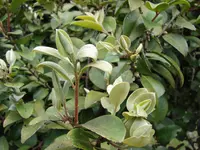
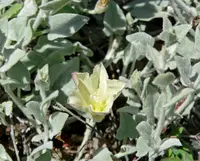
Creeping Fuchsia Care (Fuchsia procumbens)

Creeping Fuchsia

About Creeping Fuchsia

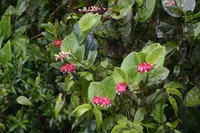
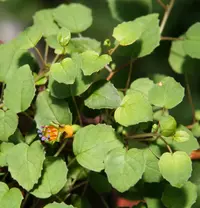
Creeping fuchsia, Fuchsia procumbens, is a low, trailing shrub grown mainly for its unusual flowers and colorful berries. It often forms a dense mat that can spill over pots or edge garden beds.

This species is native to coastal areas of New Zealand, where it grows in sandy or rocky soils. Its tiny tubular flowers and bright, ornamental fruit give it strong visual interest despite its small size.

It stays compact, grows slowly, and is generally considered moderate in difficulty, mainly because it dislikes drying out completely or sitting in heavy, waterlogged soil. Bright, indirect light, evenly moist conditions, and a free-draining mix make it easier to care for Creeping Fuchsia.

Main Plant Requirements

Care Difficulty

Moderate Care

Light Preference

Partial Shade

Water Requirements

Regular Water

Temperature Preference

Cool Climate

Hardiness Zone

8–10

Soil Texture

Loamy, Peaty, Organic-rich

Soil pH

Acidic (5.5–6.5)

Soil Drainage

Moist but well-drained

Fertilization

Light (every 4–6 weeks)

Get Personalized Care Plan

Scan your plant to receive care tips personalized for your specific plant

Available on iOS and Android

How to Care for the Creeping Fuchsia

This low, trailing species prefers bright, gentle light to flower well without leaf scorch.

  • Provide 3–5 hours of soft morning sun with bright shade or dappled light the rest of the day for Creeping Fuchsia.
  • Avoid strong midday and afternoon sun, especially in summer; filter it through shade cloth or site the plant on the east or north side of buildings.
  • In hotter months, shift plants to more shade if leaves yellow or crisp at the edges; in cooler seasons, increase light to maintain compact growth.

This plant prefers evenly moist, well-drained soil that never stays saturated for long periods.

  • Water when the top 2–3 cm of soil feels dry, soaking the root zone thoroughly and allowing excess to drain away.
  • Use a free-draining mix or soil improved with fine bark or compost so Fuchsia procumbens roots do not sit in waterlogged conditions.
  • In hot, windy weather, monitor daily for wilting or drooping leaves; reduce frequency in cool seasons and watch for yellowing, mushy stems as a sign of overwatering.

This species prefers mild, cool-summer conditions and reacts poorly to both hard frost and intense heat.

  • Aim for growing temperatures around 55–75°F (13–24°C), which support steady growth and flowering without stress.
  • Protect from frost; foliage and young stems are usually damaged below 30°F (-1°C), and plants may die back to the ground if cold persists.
  • In hot spells above 85°F (29°C), provide extra shade and mulch the root zone to keep soil cooler and reduce heat stress, especially in exposed sites.

This species benefits from moderate, stable humidity and reacts poorly to very dry air.

  • Aim for 50–70% humidity, especially indoors or in heated rooms.
  • Dry air causes curling leaf edges, flower bud drop, and browning tips on Creeping Fuchsia.
  • Increase humidity with a pebble tray under the pot, grouping plants, or placing it in a naturally more humid room away from direct hot drafts.

Fuchsia procumbens prefers airy, moisture-retentive soil that still drains freely.

  • Use a loose, organic-rich mix such as 2 parts peat-free potting mix, 1 part fine bark, and 1 part perlite.
  • Ensure fast drainage so water runs through in seconds, leaving the mix moist but never waterlogged.
  • Aim for slightly acidic to neutral pH around 5.8–6.8 to support nutrient availability.
  • Avoid heavy clay, compacted, or pure sand soils; improve structure with compost and perlite for better aeration and root health.

This species is well suited to container growing due to its trailing, compact habit.

  • Choose a wide, shallow pot to accommodate its surface-trailing stems while preventing excessive unused depth that stays wet.
  • Use a heavier or weighted container outdoors so the spreading growth does not tip the pot in wind.
  • Raise the pot slightly on feet or bricks so drainage holes stay clear and excess water escapes quickly after rain or watering.

This compact shrub responds well to light, consistent feeding during the growing season.

  • Use a balanced liquid fertilizer (for example 10-10-10) at 1/2 strength every 2–4 weeks from spring to early fall.
  • In nutrient-poor soils, add a thin layer of compost around the root zone in spring.
  • For containers, a slow-release fertilizer in early spring supports steady growth and flowering.
  • Stop feeding Creeping Fuchsia in late fall and avoid fertilizing during winter dormancy.

Fuchsia procumbens benefits from light, targeted pruning to maintain a tidy, floriferous mat.

  • Prune in late winter or very early spring before strong new growth starts.
  • Remove dead, damaged, or crossing stems first, using clean, sharp scissors or hand pruners.
  • Shorten overly long trailing stems to encourage branching and a denser, neater shape.
  • After main flowering, lightly trim spent tips to promote further blooms without heavy cutting back.

This trailing species adapts well to containers and garden edges but dislikes frequent disturbance.

  • Check for roots circling the pot, emerging from drainage holes, or noticeably slowed growth as signals to repot.
  • Plan repotting or transplanting in spring, every 2–3 years, when active growth resumes.
  • Move into a container only 2–3 cm wider, using a free-draining mix to prevent waterlogging stress.
  • Water thoroughly after moving, keep in bright shade for 3–5 days, and avoid fertilizing until new growth appears.

Fuchsia procumbens is most often propagated from softwood cuttings, with seed used mainly for breeding or variation.

  • Take 5–8 cm soft, non-flowering stem cuttings in late spring or early summer.
  • Remove lower leaves, dip the base in rooting hormone, and insert into a moist, free-draining mix.
  • Maintain high humidity and bright, indirect light at 65–75°F until roots form in 3–5 weeks.
  • For seeds, sow on the surface of moist mix, keep lightly covered, warm, and evenly moist until germination.

This species is moderately cold tolerant but benefits from simple winter protection in colder regions.

  • In ground, apply a 5–8 cm mulch layer over the root zone in late fall, keeping it off the stems.
  • In areas below about 20°F, treat as a tender perennial or provide sheltered microclimates.
  • Move containers into a frost-free, bright, cool space and water sparingly to keep soil just barely moist.

Care Tips

Use Low Edging

Plant along stone edging or low retaining walls so the stems can drape naturally while the roots stay slightly shaded and cool, which supports steadier flowering and less stress in hot spells.

Pinch For Density

Lightly pinch back soft stem tips 2–3 times in spring to encourage branching and a denser mat, but stop by midsummer so new growth has time to harden before winter.

Layer For Propagation

Peg a flexible stem to the soil surface with a U-shaped wire and cover the pinned section with 1–2 cm of mix; once roots form in a few weeks, cut and transplant the new plant to extend a groundcover patch.

Protect From Slugs

Place copper tape around shallow containers or use low, rough-textured gravel mulch around the plant base to reduce slug and snail damage to tender new shoots and flowers.

Winter Drainage Check

Before winter rains, confirm that soil and containers drain freely and raise pots on feet if needed, since prolonged saturation in cold weather is a common cause of root loss when growing Creeping Fuchsia.

Common Pests and Diseases

Fuchsia gall mite

This pest feeds on young shoot tips and flower buds, causing distorted, swollen, and discolored growth on stems and leaves. Symptoms include tufted, blistered tissue that fails to develop normal flowers.

Solution

Immediately remove and destroy all distorted growth and lightly prune back plants to healthy tissue, then dispose of prunings in the trash. Improve airflow, avoid overhead watering on new shoots, and apply a targeted miticide or sulfur-based spray labeled for gall mites, repeating as directed to protect new flushes of growth.

Whitefly

These insects feed on the undersides of leaves, causing yellowing, leaf drop, and sticky honeydew that can lead to sooty mold on foliage. This pest is often disturbed into small white clouds when the plant is moved.

Solution

Regularly inspect leaf undersides and wash them with a strong but controlled stream of water or wipe with insecticidal soap, ensuring full coverage, especially on the lower leaf surfaces. For heavier infestations, combine weekly soap or horticultural oil sprays with yellow sticky traps to reduce adult numbers and break the life cycle.

Botrytis blight

This disease causes brown, water-soaked spots on flowers, buds, and leaves that develop gray, fuzzy mold, especially in cool, damp conditions. Symptoms include bud drop, rotting petals, and collapse of tender stems near the infection site.

Solution

Remove and discard all affected flowers, buds, and leaves, and avoid leaving dead petals on the plant or soil surface. Improve air circulation, reduce overhead watering, water early in the day, and if needed apply a fungicide labeled for Botrytis on ornamentals, focusing on flower clusters and dense growth.

Rust

This disease produces yellow or pale spots on upper leaf surfaces and orange to brown pustules on the undersides. Symptoms include premature leaf drop and reduced vigor in humid or crowded conditions.

Solution

Promptly remove and discard infected leaves and any heavily affected stems to reduce spore spread. Improve spacing and airflow, keep foliage dry when watering, and apply a sulfur or other rust-labeled fungicide as a protective spray, repeating according to label directions until new growth remains clean.

Aphids

These insects cluster on shoot tips and the backs of leaves, sucking sap and causing curled, distorted leaves and sticky honeydew. This pest can stunt new growth and attract ants and sooty mold.

Solution

Rinse colonies from stems and leaves with a firm stream of water, then treat remaining insects with insecticidal soap or horticultural oil, ensuring thorough coverage of all tender growth. Repeat treatment every 5–7 days until populations drop, and monitor new shoots closely, as this is a key step in effective Fuchsia procumbens care.

Interesting Facts

Ground-hugging growth

This New Zealand species naturally forms a low, scrambling mat that creeps along the ground and over rocks, rather than growing as an upright shrub like most other fuchsias.

Unique flower structure

Its small tubular flowers often have yellow to greenish petals with red and purple accents, and the flower parts are unusually reflexed (bent back), giving a distinctive star-like appearance compared with more familiar fuchsia flowers.

Berry-dispersing lizards

In its native coastal habitats, native lizards such as skinks eat the plant’s colorful berries and help disperse its seeds, an uncommon seed-dispersal partnership for a garden ornamental.

Botan icon

Did you know?

Fuchsia procumbens is the smallest species in the genus Fuchsia, and its naturally miniature size and prostrate habit have been used by breeders to develop compact, trailing cultivars for containers and hanging baskets.

FAQs about Creeping Fuchsia

This species spreads slowly to moderately by creeping stems that root where they touch the soil. It usually forms a low mat rather than taking over beds, but edging and occasional trimming keep it neatly contained.

Grow Healthy Plants with Botan Care

Keep your plants happy and healthy with plant identification, disease detection, and easy care guidance.

Botan plant care app — identify plants on mobile

Explore More Plants