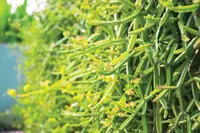
Sierra false bindweed Care (Calystegia malacophylla)

Sierra false bindweed

About Sierra false bindweed

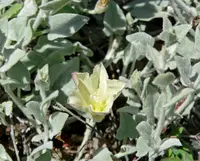
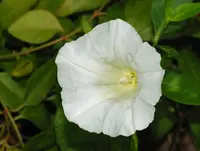
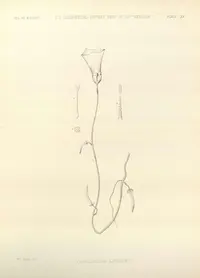
Sierra false bindweed (Calystegia malacophylla) is a perennial vine native to dry, open slopes and scrub in the Sierra Nevada region of California. It typically twines through nearby shrubs or along the ground, with soft, gray-green leaves and white to pale pink, funnel-shaped flowers. This species is adapted to low-moisture, well-drained soils and a seasonal climate, which makes it relatively drought tolerant but sensitive to overwatering in cultivation. It usually prefers full sun and lean, rocky or sandy ground rather than rich, wet soil. Gardeners who want to care for Sierra false bindweed should consider that it can spread and may need space or light training to keep it controlled.


Main Plant Requirements

Care Difficulty

Moderate Care

Light Preference

Full Sun

Water Requirements

Low Water

Temperature Preference

Cold Hardy

Hardiness Zone

7–10

Soil Texture

Sandy, Loamy, Rocky

Soil pH

Slightly acidic (6.5–7.0), Neutral (7.0)

Soil Drainage

Well-drained

Fertilization

Minimal (feed rarely)

Get Personalized Care Plan

Scan your plant to receive care tips personalized for your specific plant

Available on iOS and Android

How to Care for the Sierra false bindweed

This drought-adapted vine grows best in bright, open sites with strong sun exposure.

  • Provide 6–8 hours of direct sun daily; morning to early afternoon sun suits Sierra false bindweed in most temperate climates.
  • Allow light afternoon shade in very hot, dry regions to reduce leaf scorch, especially on exposed, south-facing slopes.
  • In partly shaded locations, flowering declines; choose the sunniest, least obstructed spot and avoid dense shade from shrubs, fences, or buildings.

This species prefers infrequent, deeper watering that allows the soil to dry between events.

  • In the ground, water only when the top 5–7 cm of soil is dry and stems begin to look slightly limp, then soak the root zone thoroughly.
  • Use fast-draining, sandy or rocky soil so water does not pool; standing moisture around roots increases risk of rot and yellowing leaves.
  • Reduce or stop supplemental water in cool, rainy seasons; resume careful deep watering during extended dry, hot periods for Calystegia malacophylla.

This plant is adapted to dry, montane climates with moderate summer heat and cool winters.

  • Active growth is strongest around 65–80°F (18–27°C), with good performance in typical spring and early summer conditions.
  • Established plants usually tolerate down to about 15–20°F (-9 to -6°C); top growth may die back after hard frost but roots often survive.
  • In heat above 90°F (32°C), flowering can slow and foliage may scorch, so combine strong sun with some airflow and non-reflective surrounding surfaces.

This species is adapted to dry, upland habitats and does not require elevated humidity.

  • Target 30–50% relative humidity, similar to typical indoor air in heated or air-conditioned homes.
  • Sierra false bindweed tolerates brief drier air well, but prolonged hot drafts can crisp leaf edges.
  • Low humidity stress shows as curling or browning leaf margins rather than wilting stems.

Calystegia malacophylla prefers lean, well-aerated, fast-draining mineral soils that do not stay wet.

  • Use a sandy or gravelly loam with low to moderate organic content to mimic its native dry slopes.
  • Aim for slightly acidic to neutral pH around 6.0–7.0, avoiding strongly alkaline or salty substrates.
  • Blend roughly 50–60% coarse sand or small grit with 30–40% loam and 10–20% compost for structure and nutrients.
  • Improve drainage and aeration further by adding perlite or fine gravel and strictly avoiding heavy clay or peat-heavy mixes that hold water.

This species can be grown in containers if the pot is configured to stay dry and stable around the roots.

  • Choose a wide, relatively deep pot to allow its running roots to spread while providing weight against vine top growth.
  • Use a heavy terracotta or ceramic container outdoors to reduce tipping and let excess moisture evaporate through the pot walls.
  • Secure a small trellis or support directly in the pot so climbing stems do not pull or destabilize the container in wind.

This native vine typically needs little feeding in the ground but benefits from light support in poor soils or containers.

  • Use a balanced, low-strength liquid fertilizer (around 10-10-10) at 1/2–1/4 label strength for Sierra false bindweed in pots.
  • Apply every 4–6 weeks during active spring–summer growth if foliage looks pale or growth is weak.
  • Supplement with a thin layer of compost around outdoor plants instead of frequent synthetic feeding.
  • Stop fertilizing in late fall and winter when growth slows or dies back.

Pruning Calystegia malacophylla focuses on tidying growth and maintaining flowering performance.

  • Carry out main pruning in late winter or very early spring before vigorous new shoots appear.
  • Remove dead, damaged, or tangled stems first, then thin overcrowded vines to improve light and air flow.
  • Shorten overly long stems to control spread and guide the plant along supports or fences.
  • Use clean, sharp hand pruners and cut just above a leaf node to limit tissue damage.

This species is more often transplanted outdoors than grown long-term in containers.

  • Plan transplanting or any repotting for early spring or early fall when temperatures are mild.
  • Look for roots circling the pot, poor drainage, or slowed growth as signs a container plant needs more space.
  • Shift to a slightly larger pot or planting hole with well-drained, sandy or loamy soil to reduce shock.
  • Water thoroughly after moving, then keep soil evenly moist and shaded for 3–7 days to help roots re-establish.

Calystegia malacophylla is commonly propagated by division, root fragments, or seeds.

  • Divide established clumps or lift sections with rooted runners in early spring while growth is just starting.
  • Plant root pieces or divisions into well-drained soil, keeping roots covered and soil slightly moist until new shoots appear.
  • Sow seeds in fall or late winter; cold stratification (a moist chilling period) can improve germination.
  • Provide bright light, good drainage, and moderate moisture for young plants until roots and stems are well established.

This species is generally cold hardy in its native range and needs minimal winter care in the ground.

  • In colder areas, apply a light mulch layer (2–5 cm) over the root zone after the first hard frost.
  • Allow top growth to die back naturally; dead stems can be cut at ground level in late winter.
  • Container-grown plants in very cold climates can be moved to a sheltered, unheated but frost-free spot.

Care Tips

Early season training

Install low wires, brush supports, or small trellises in early spring and gently guide new shoots along them once they reach 10–15 cm, which keeps growth off the ground and makes caring for Sierra false bindweed and weeding much easier through the season.

Targeted spread control

Where the vine spreads too far, slice back surplus rhizomes with a sharp spade 10–15 cm below the soil surface in late winter, removing these pieces to keep the plant contained without heavily stressing the main clump.

Mulch for summer stress

Apply a 3–5 cm layer of coarse, inorganic mulch such as gravel or crushed stone around the base in spring to moderate soil temperature, reduce evaporation, and mimic the rocky, well-drained habitats this species prefers.

Support in windy sites

In exposed locations, anchor stems loosely to low stakes or short sections of fencing using soft ties, preventing wind damage to young twining shoots and reducing breakage at the base.

Seed pod management

If self-seeding is a concern or the plant grows near sensitive habitats, remove spent flowers before seed pods fully develop, collecting and disposing of them so the vine does not spread beyond the intended area.

Common Pests and Diseases

Dodder

This pest is a parasitic vine that twines around stems, stealing water and nutrients and weakening plants in dry, open habitats where Calystegia malacophylla naturally grows.

Solution

Carefully unwind and remove all visible dodder strands as soon as they appear, cutting and disposing of heavily infested stems before seeds form. Keep surrounding vegetation monitored and cleared of dodder to reduce reinfestation and avoid moving contaminated soil or plant material into the area when growing Sierra false bindweed.

Leafminer flies

These insects create narrow, winding tunnels inside the leaves, which can cause cosmetic damage and reduce photosynthesis in stressed or young plants.

Solution

Remove and discard mined leaves as soon as serpentine trails are seen to interrupt the larvae life cycle. Encourage or introduce natural predators, and if damage is extensive on ornamental plantings, use a targeted systemic or spinosad-based product timed to when new mines first appear.

Powdery mildew

This disease causes white, powdery patches on leaves and stems, most often when dry air combines with cool nights and warm days.

Solution

Prune to improve airflow around the vine, avoid wetting foliage when watering, and remove heavily affected leaves to slow spread. In recurring cases, apply a sulfur, potassium bicarbonate, or horticultural oil product labeled for powdery mildew at the first sign of spotting, following Calystegia malacophylla care guidelines for low-humidity tolerant species.

Aphids

These insects cluster on young shoots and flower stalks, sucking sap and sometimes causing distortion or sticky honeydew buildup that can attract ants.

Solution

Dislodge colonies with a firm stream of water and pinch back heavily infested shoot tips. If populations persist, use insecticidal soap or neem oil, ensuring thorough coverage of stems and leaf undersides while monitoring nearby host plants that can reintroduce aphids.

Interesting Facts

Soft, felted foliage

The leaves are densely covered with short, silky hairs that give the plant a soft, grayish, felt-like surface, which helps reduce water loss and reflect intense mountain sunlight in its native California habitats.

Sierra Nevada specialist

This species is largely restricted to dry, rocky slopes and open woodlands in the central and southern Sierra Nevada, where it twines through shrubs and low vegetation instead of climbing high trees like many other bindweeds.

Summer-dry flowering vine

In its home range it is adapted to a Mediterranean-type climate, producing showy white to pale pink, funnel-shaped flowers during the warm, dry season when many surrounding herbaceous plants have already withered.

FAQs about Sierra false bindweed

This species spreads by twining stems and underground roots, but usually not as aggressively as field bindweed. In loose, irrigated soils it can expand steadily, so edge barriers and periodic root pruning help contain it.

Grow Healthy Plants with Botan Care

Keep your plants happy and healthy with plant identification, disease detection, and easy care guidance.

Botan plant care app — identify plants on mobile

Explore More Plants