Hedge Bindweed Care (Calystegia sepium)

Also known as: hedge false bindweed, larger bindweed
Hedge Bindweed

About Hedge Bindweed

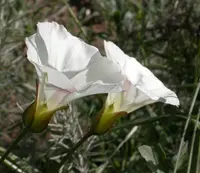
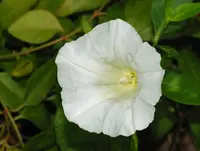
Hedge bindweed, Calystegia sepium, is a vigorous perennial vine known for its fast twining growth and large white, funnel-shaped flowers. It climbs by wrapping around nearby plants, fences, or structures, often forming dense, leafy curtains.

This species occurs widely in hedgerows, field margins, riverbanks, and disturbed ground across Europe, North America, and other temperate regions. Once established, its deep, spreading root system makes it persistent and sometimes invasive in gardens.

For those who choose to care for Hedge Bindweed, it generally favors full sun to partial shade, moderately moist soil, and good drainage, but it tolerates a range of ordinary garden conditions.

Main Plant Requirements

Care Difficulty

Easy Care

Light Preference

Full Sun

Water Requirements

Moderate Water

Temperature Preference

Cold Hardy

Hardiness Zone

4–9

Soil Texture

Sandy, Loamy, Clay

Soil pH

Acidic (5.5–6.5), Slightly acidic (6.5–7.0)

Soil Drainage

Moist but well-drained

Fertilization

Minimal (feed rarely)

Get Personalized Care Plan

Scan your plant to receive care tips personalized for your specific plant

Available on iOS and Android

How to Care for the Hedge Bindweed

This vigorous climber grows best with plenty of direct light but tolerates some shade.

  • Provide 6–8 hours of sun daily; full sun promotes dense growth and flowering, though light afternoon shade in hot climates reduces leaf scorch.
  • Hedge Bindweed copes with partial shade, but stems may become longer and sparser, with fewer flowers when sun drops below about 4 hours.
  • In early spring and late autumn, lower sun intensity is usually sufficient, but summer plants on south- or west-facing sites benefit from some filtered midday light.

This species prefers consistently moist but not waterlogged soil, especially during active growth.

  • Check soil moisture by feeling the top 2–5 cm; water when it feels slightly dry, aiming for even moisture around the root zone rather than surface wetness only.
  • During hot, dry weather, increase watering frequency, while in cool or rainy periods, skip watering if soil remains damp and loose, not sticky or muddy.
  • Wilting and crisp leaves suggest underwatering, while yellowing lower leaves and a sour smell in heavy soil indicate overwatering; good drainage helps Calystegia sepium stay resilient.

This hardy perennial tolerates a wide temperature range outdoors in temperate climates.

  • Optimal growth occurs around 65–80°F (18–27°C), when stems elongate quickly and flowering is most consistent.
  • Established plants survive short dips to about 10–15°F (-12– -9°C) in the ground, dying back above soil while underground parts overwinter and reshoot in spring.
  • Summer heat above 90°F (32°C) is usually tolerated if soil stays moist; prolonged extreme heat with dry soil can cause leaf scorch and slowed growth, especially in exposed sites.

Calystegia sepium handles a wide humidity range and rarely needs special humidity management outdoors.

Calystegia sepium thrives in moist, well-drained, moderately fertile ground.

  • Use loamy or sandy-loam soil with plenty of organic matter to hold moisture without becoming compacted.
  • Aim for slightly acidic to neutral pH around 6.0–7.5, avoiding strongly acidic or alkaline conditions.
  • Blend garden soil with compost and a small amount of sharp sand to improve both drainage and structure.
  • Avoid heavy, waterlogged clay or areas that stay saturated, which encourage root rot and poor root aeration.

This vigorous, twining species can be grown in containers with careful control of its spread.

  • Choose a tall, heavy container that resists tipping and provides depth for fast, searching roots.
  • Install a sturdy trellis or support within the pot so climbing stems do not pull or destabilize the container.
  • Use a free-draining mix and elevate the pot on feet or bricks to keep drainage holes clear after watering.

Calystegia sepium is vigorous and usually needs only light feeding in average garden soil.

  • Apply a thin layer of garden compost or well-rotted manure in early spring to support strong growth.
  • In poor soils, use a balanced slow-release fertilizer (for example 10-10-10) once at the start of the growing season.
  • If using liquid feed, dilute to half strength and apply monthly during active growth only.
  • Stop feeding in late summer so Hedge Bindweed can harden growth before winter dormancy.

Pruning Calystegia sepium is mainly used to contain spread and keep growth manageable.

  • Cut back long or invasive shoots in late spring to control size and direct vines where support is available.
  • Remove dead, damaged, or tangled stems with clean, sharp pruners to reduce disease risk and improve air flow.
  • Shear or cut to ground level in late autumn or early spring to refresh growth and limit unwanted spread.
  • Regular trimming around desired plants and boundaries maintains shape and prevents smothering of neighbors.

This plant is usually grown in the ground, so focus on careful transplanting rather than frequent repotting.

  • Transplant in early spring or early autumn when temperatures are mild and soil is workable.
  • Move plants when growth is slow, roots circle a container, or shoots emerge far from the original clump.
  • Lift with a spade, keeping as much root and surrounding soil intact as possible to limit stress.
  • Water thoroughly after transplanting and shade for a few days if conditions are hot, then return to full sun.

Calystegia sepium spreads readily, and propagation is straightforward but must be managed to prevent invasiveness.

  • Divide established clumps or lift short root sections with buds in early spring for fastest establishment.
  • Plant root cuttings horizontally in loose, moist soil and keep evenly damp until new shoots appear.
  • Sow fresh seed outdoors in autumn or early spring; light cold exposure improves germination.
  • Monitor new plantings and remove unwanted shoots early to keep growth within set boundaries.

This hardy perennial dies back in winter but usually needs minimal care once established in temperate climates.

  • Tolerates typical frosts in USDA zones about 4–9, with roots surviving below-ground.
  • After top growth is blackened by frost, cut stems to ground level to reduce disease carryover.
  • Apply a light 5–8 cm mulch in colder areas to buffer soil temperature and protect the root system.
  • For container plants in very cold regions, move pots into an unheated garage or shed to prevent root freeze-thaw damage.

Care Tips

Install Strong Supports

Provide sturdy trellises, wires, or fences before vigorous spring growth so stems can twine cleanly rather than matting over nearby plants and structures.

Use Root Barriers

When planting in the ground, bury a solid root barrier 30–40 cm deep around the planting area to limit spread and make long-term management easier.

Scheduled Rhizome Checks

Inspect the surrounding soil 2–3 times per year and remove newly formed rhizomes and shoots at the edge of the planting zone to prevent unwanted colonization.

Targeted Regrowth Control

If it spreads into unwanted areas, repeatedly cut or gently pull new shoots at soil level during the growing season to slowly deplete underground reserves without resorting to heavy chemical use.

Habitat-Based Pest Monitoring

In dense plantings or hedgerows, check leaf undersides and stem tangles regularly for aphids and caterpillars that shelter in the thick foliage, treating only hot spots rather than spraying the whole stand when caring for Hedge Bindweed.

Common Pests and Diseases

Leaf miners

This pest lives inside the leaves and creates winding, pale tunnels through the leaf tissue. Symptoms include distorted foliage and reduced vigor on heavily infested plants.

Solution

Remove and destroy affected leaves before larvae complete their development, and keep plant density lower to make inspection easier. In heavy infestations, use a targeted insecticide containing spinosad according to label directions, focusing on young foliage where adults prefer to lay eggs.

Bindweed gall mite

This pest causes distorted, thickened, or rosette-like shoot tips, sometimes with a felted or swollen appearance. Symptoms include stunted growth and abnormal branching along stems.

Solution

Prune and destroy deformed shoot tips and stems to reduce mite populations. For persistent problems, apply a horticultural oil or sulfur-based miticide during active growth, thoroughly coating stems and new growth while avoiding very hot or very dry conditions.

Powdery mildew

This disease appears as white or gray powdery patches on leaves and stems, often starting on the upper leaf surface. Symptoms include yellowing, premature leaf drop, and reduced flowering if infection is severe.

Solution

Improve air circulation by thinning or cutting back dense vines and avoid overhead watering. Remove heavily infected leaves, and if needed apply a sulfur or potassium bicarbonate fungicide at the first sign of mildew, repeating as directed until new growth remains clean.

Rust

This disease produces small orange, brown, or rust-colored pustules on the undersides of leaves, sometimes with yellow spots on the upper surface. Symptoms include early leaf drop and gradual weakening of the plant.

Solution

Cut back and discard infected leaves and stems, keeping the area around the plant free of plant debris where spores can overwinter. In recurring cases, use a labeled rust fungicide on new and lightly affected foliage, and avoid prolonged leaf wetness by watering at soil level where possible.

Interesting Facts

Twining Growth Strategy

This species climbs by twining its stems clockwise around nearby plants or structures, allowing it to rapidly overtop and shade surrounding vegetation in open, fertile soils.

Specialist Pollinator Links

Its large, white, trumpet-shaped flowers produce abundant nectar and are especially attractive to long-tongued bees and hawk moths, which can reach the nectar deep inside the floral tube.

Deep, Persistent Rhizomes

The plant spreads through long underground rhizomes that can regenerate new shoots from small fragments, making it a highly persistent component of hedgerows, riverbanks, and disturbed ground.

Botan icon

Did you know?

Genetic and morphological studies have shown that this species readily forms natural hybrids with related bindweeds such as Calystegia pulchra and Calystegia silvatica, which can make field identification difficult in regions where these taxa overlap.

FAQs about Hedge Bindweed

This species spreads very aggressively through creeping rhizomes and self-seeding. It can quickly smother nearby plants, fences, and shrubs. Regular root removal, deep edging barriers, and consistent monitoring are needed to keep it under control in gardens.

Grow Healthy Plants with Botan Care

Keep your plants happy and healthy with plant identification, disease detection, and easy care guidance.

Botan plant care app — identify plants on mobile

Explore More Plants