Texas pricklypoppy Care (Argemone aurantiaca)

Texas pricklypoppy

About Texas pricklypoppy

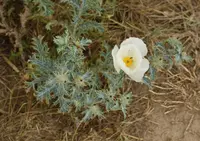
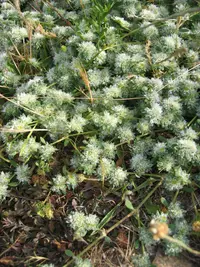
Texas pricklypoppy, Argemone aurantiaca, is a spiny, flowering annual or short-lived perennial from dry regions of Texas and northern Mexico. It typically forms a low, branching clump with bluish-green, prickly leaves.

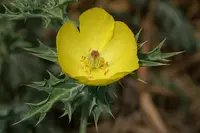
The plant is known for its large, showy orange to yellow poppy-like flowers and bristly seed pods, giving it a striking but rugged look in arid landscapes. It thrives in full sun, lean or rocky soils, and low to moderate moisture.

Because it is adapted to poor, dry sites and resents heavy, wet soil, it suits xeriscapes and low-maintenance gardens. Those who want to learn how to care for Texas pricklypoppy usually find it easier in warm, sunny, well-drained conditions.

Main Plant Requirements

Care Difficulty

Easy Care

Light Preference

Full Sun

Water Requirements

Low Water

Temperature Preference

Warm Climate

Hardiness Zone

8–11

Soil Texture

Sandy, Loamy, Rocky

Soil pH

Slightly acidic (6.5–7.0), Slightly alkaline (7.0–7.5)

Soil Drainage

Well-drained

Fertilization

Minimal (feed rarely)

Get Personalized Care Plan

Scan your plant to receive care tips personalized for your specific plant

Available on iOS and Android

How to Care for the Texas pricklypoppy

This sun-loving species needs strong, direct light to flower well.

  • Provide 6–8 hours of full sun daily; in hot inland areas, light afternoon shade helps prevent leaf scorch.
  • Texas pricklypoppy tolerates open, exposed sites but becomes leggy and produces fewer blooms if it receives less than 4–5 hours of direct sun.
  • Ensure seedlings get bright exposure from early spring so plants harden to outdoor light, avoiding sudden moves from shade to intense midsummer sun.

This drought-tolerant species prefers dry, fast-draining conditions over frequent watering.

  • Allow the top 5–8 cm of soil to dry completely before watering; in many climates, natural rainfall is enough once plants are established.
  • During the first growing season, water deeply but infrequently, watching for slight leaf droop or dulling color as a sign Argemone aurantiaca needs moisture.
  • Avoid soggy or compacted soil; yellowing, swollen stems, and blackened roots indicate overwatering, while crisp, browning leaf edges signal prolonged drought stress.

This species favors warm, dry climates and handles heat better than prolonged cold.

  • Optimal growth occurs around 70–85°F (21–29°C), with good performance in typical warm spring and summer conditions.
  • Mature plants tolerate brief drops to about 25°F (−4°C), but hard freezes below this and repeated frost can damage foliage and reduce flowering.
  • Heat tolerance is high, often up to 95–100°F (35–38°C) if soil is well drained; in very hot spells, flowering may pause but resumes as temperatures moderate.

This species prefers dry air and does not need extra humidity beyond typical indoor or outdoor conditions.

  • Target 30–50% humidity, matching arid or semi-arid environments where Texas pricklypoppy naturally occurs.
  • Plant in a very free-draining medium so roots stay dry even when ambient humidity briefly rises.
  • Watch for pale, weak growth and fungal spotting on lower leaves as signs that air is too humid or stagnant.

This plant prefers very lean, fast-draining, sandy or gravelly soil that never stays wet for long.

  • Use a mix of roughly 50–70% coarse sand or grit, 20–30% mineral topsoil, and only 10–20% low-nutrient compost.
  • Aim for slightly alkaline to neutral pH, around 7.0–8.0, which suits Argemone aurantiaca in its native habitats.
  • Improve aeration by incorporating pumice or perlite alongside sand so water drains quickly and oxygen reaches the roots.
  • Avoid clay-heavy, peat-heavy, or compacted ground that holds water, since prolonged saturation promotes root rot and weak, lush growth.

This species can be grown in containers if the setup closely mimics its naturally dry, free-draining conditions.

  • Choose a deep, heavy pot with ample drainage holes so the tall, spiny stems remain stable in wind and do not tip the container.
  • Add a thick bottom layer of coarse gravel or broken terracotta to prevent fine particles from clogging drainage holes.
  • Use an unglazed clay pot to increase evaporation from the sides, further reducing the risk of persistently damp substrate.

Argemone aurantiaca usually thrives in poor, well-drained soil and needs little to no fertilizer.

Argemone aurantiaca benefits from light, targeted pruning to maintain plant health and safe structure.

  • Cut back spent flower stems in late spring to early summer to reduce unwanted self-seeding and keep plants tidy.
  • Remove dead, damaged, or diseased stems at ground level with clean, sharp hand pruners to limit infection risk.
  • Thin out weak, crowded shoots slightly to improve air flow, but avoid heavy cutting that can stress this taprooted species.

This deep-taprooted species dislikes disturbance, so transplant Argemone aurantiaca only when clearly necessary.

  • Look for roots circling the pot drainage holes or severe stunting as signs a container plant has outgrown its space.
  • Carry out any transplanting in early spring, before strong growth begins, and keep frequency low over the plant’s lifetime.
  • Use deep containers or planting holes in very free-draining, gritty soil to accommodate the long taproot and prevent waterlogging.
  • Handle the root ball gently, disturbing roots as little as possible, and water once after planting to settle soil around roots.

Propagation of Argemone aurantiaca is usually done from seed rather than by division or cuttings.

  • Sow fresh seeds in late winter to early spring in trays or pots filled with sharply draining, sandy mix.
  • Provide bright light and mild warmth around 65–75°F; keep the medium just barely moist to limit damping-off disease.
  • Surface-sow or cover seeds very lightly, since light exposure can support germination in many poppy relatives.
  • Transplant seedlings only once they have several true leaves, handling each taproot carefully and moving to individual cells or small pots.

In mild climates this species is relatively cold tolerant and usually needs minimal winter care.

  • Plants in the ground often overwinter without protection in regions with light frosts and well-drained soil.
  • Apply a thin, gritty mulch around the base in late fall to limit heaving of the root zone during freeze–thaw cycles.
  • For containers, move Texas pricklypoppy to a cold, bright, frost-free spot and water very sparingly until spring.

Care Tips

Use protective gloves

Always handle this plant with thick gloves and long sleeves, as its spines are sharp and the sap can irritate skin, especially when transplanting or removing spent plants.

Encourage deep rooting

In the first growing season, water more deeply but less often to promote a strong taproot, which improves drought resilience and reduces the need for supplemental water later.

Controlled self-seeding

If you want a steady colony without overcrowding, allow only a few seed pods per plant to ripen and remove the rest before they split, then thin unwanted seedlings early while the soil is moist.

Dry-climate weed control

Use a thin, gravel-based mulch instead of organic mulch to suppress weeds while keeping the soil surface well drained and avoiding excess moisture around the crown.

Rotate planting sites

Shift planting areas every 2–3 years in small gardens to reduce buildup of soilborne pests and to manage volunteer seedlings more easily when growing Texas pricklypoppy.

Common Pests and Diseases

Leaf-mining larvae

This pest creates pale, winding tunnels inside the leaves that can cause blotches and premature leaf drop in stressed plants. Symptoms include thin, serpentine trails that follow the veins of the foliage.

Solution

Remove and destroy affected leaves as soon as mines are noticed, and avoid overfertilizing so foliage does not become overly lush and attractive to egg-laying adults. Encourage natural predators by avoiding broad-spectrum insecticides, and if damage is heavy, use a targeted insecticide labeled for leaf miners on young foliage only, following local regulations for wild or ornamental Argemone aurantiaca care.

Seedling damping-off

This disease kills very young plants at or just above the soil line, especially in humid, crowded seed trays. Symptoms include seedlings collapsing, thinning, and rotting at the base even though the soil may not look overly wet.

Solution

Use a sterile, fast-draining seed-starting mix, and avoid overwatering by letting the surface dry slightly between waterings. Improve air circulation, space seedlings generously, and discard any collapsed seedlings and surrounding mix to reduce fungal spores such as Pythium and Rhizoctonia.

Aphids

These insects cluster on young stems, flower buds, and the undersides of leaves, feeding on sap and causing distortion and sticky honeydew. This pest can also attract ants and promote sooty mold growth on the sugary deposits.

Solution

Spray infested parts with a firm jet of water to dislodge colonies, and prune heavily infested tips if practical. On ornamental plantings, apply insecticidal soap or a light horticultural oil to the undersides of leaves and young shoots, repeating as needed while avoiding treatments during high heat above about 85°F.

Powdery mildew

This disease appears as white, talc-like patches on leaves, especially in warm, dry air combined with cool, humid nights. Symptoms include dull, grayish foliage, reduced vigor, and premature leaf drop on crowded or shaded plants.

Solution

Increase spacing and airflow around plants and place them in full sun, since strong light reduces mildew pressure. Remove the worst-affected leaves, avoid overhead watering late in the day, and if needed use a labeled sulfur or bicarbonate-based fungicide applied according to local regulations for wildflower species.

Spider mites

These pests are tiny and often unnoticed at first, but their feeding causes fine yellow stippling on leaves and a dry, speckled appearance, sometimes with delicate webbing. This pest becomes more problematic in hot, dry, dusty conditions that stress the plant.

Solution

Rinse foliage thoroughly with water to remove mites and dust, focusing on leaf undersides, and repeat at regular intervals. For ornamental plantings or Texas native beds, use insecticidal soap or a light horticultural oil labeled for mites and maintain moderate ambient humidity, while still allowing well-drained soil appropriate for growing Texas pricklypoppy.

Interesting Facts

Endemic Mexican poppy

This species is native to a limited area in Mexico, where it grows naturally on dry, open slopes and disturbed ground, unlike some close relatives that have spread widely as weeds in many countries.

Distinctive orange flowers

While many related Argemone species bear white or pale yellow flowers, this plant produces striking orange to orange-yellow blooms that help distinguish it in the field.

Spiny, latex‑bearing tissues

Like other members of the poppy family, it has prickly stems and leaves and exudes a characteristic yellow latex when injured, a trait that likely deters many herbivores.

FAQs about Texas pricklypoppy

All parts of this species contain toxic alkaloids. Ingestion can cause nausea, vomiting, diarrhea, and more serious nervous or cardiovascular symptoms in humans and animals. Sap may irritate skin and eyes. Keep children and pets away.

Grow Healthy Plants with Botan Care

Keep your plants happy and healthy with plant identification, disease detection, and easy care guidance.

Botan plant care app — identify plants on mobile

Explore More Plants