Algerian Tea Care (Paronychia argentea)

Also known as: Mountain Knotgrass
Algerian Tea

About Algerian Tea

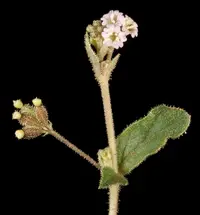
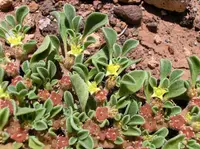
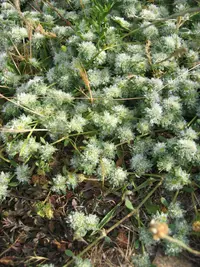
Paronychia argentea, often called Algerian tea, is a low, mat-forming perennial herb. It has tiny silvery leaves and papery bracts that give a softly shimmering look. The plant naturally occurs in dry, rocky areas around the Mediterranean region and North Africa. It typically forms dense cushions that spread rather than grow tall. This growth habit makes it suitable for rock gardens, edging, and groundcover in sunny, well-drained sites. Algerian tea prefers poor, gritty soils and tolerates drought once established, which simplifies how to care for Algerian Tea in low-maintenance landscapes. It is generally considered a hardy, easy plant if given adequate light and drainage.

Main Plant Requirements

Care Difficulty

Easy Care

Light Preference

Full Sun

Water Requirements

Low Water

Temperature Preference

Cold Hardy

Hardiness Zone

6–9

Soil Texture

Sandy, Loamy, Rocky

Soil pH

Slightly acidic (6.5–7.0), Slightly alkaline (7.0–7.5)

Soil Drainage

Well-drained

Fertilization

Minimal (feed rarely)

Get Personalized Care Plan

Scan your plant to receive care tips personalized for your specific plant

Available on iOS and Android

How to Care for the Algerian Tea

This Mediterranean groundcover prefers bright, open conditions with plenty of sun for compact, silvery growth.

  • Provide 6–8 hours of direct sun daily; full sun suits Algerian Tea in most temperate, low-humidity climates.
  • Tolerates light afternoon shade, especially in hot regions, but dense shade leads to weak, elongated stems and sparse foliage.
  • In winter, ensure the site is not heavily shaded by buildings or trees so the plant still receives at least 4–5 hours of low-angle sun.

This drought-adapted species prefers dry, fast-draining conditions and is sensitive to excess moisture.

  • Water only when the top 3–5 cm of soil are completely dry; in many climates, established plants need watering mainly after prolonged drought.
  • Use sharply drained, sandy or gravelly soil so water runs through within seconds and no puddling or stickiness remains around the roots of Paronychia argentea.
  • Watch foliage and stems: limp, shriveling, or crisp tips suggest underwatering, while yellowing, mushy bases or sudden collapse indicate chronic overwatering.

This species thrives in warm, dry climates and shows good tolerance to both summer heat and moderate winter cold.

  • Optimal growth occurs around 65–80°F (18–27°C), with steady warmth encouraging dense, mat-forming foliage.
  • Mature plants usually tolerate down to about 15–20°F (-9 to -6°C) if soil drains freely, but repeated freeze-thaw in wet ground increases root loss.
  • In hot summers above 90°F (32°C), it typically remains stable if soil stays dry to slightly dry, though light afternoon shade limits leaf scorch in exposed sites.

This species is naturally adapted to dry, low-humidity conditions and usually needs no special humidity management.

This Mediterranean dwarf shrub prefers very free-draining, sandy mineral soil that mimics rocky, arid habitats.

  • Use a mix of roughly 60–70% coarse sand or fine grit with 30–40% lean loam or cactus mix to keep moisture low and drainage rapid.
  • Aim for slightly alkaline to neutral pH, around 7.0–7.8, which suits Paronychia argentea and helps prevent nutrient imbalances.
  • Avoid peat-heavy, compact, or moisture-retentive substrates that stay wet for more than 1–2 days after watering, since roots are prone to rot.
  • In heavy native soil, build a raised, gritty bed by blending in sharp sand and small gravel to improve drainage and root aeration.

This species can be grown successfully in containers if drainage is prioritized.

  • Choose a wide, shallow pot so the spreading, mat-forming roots can occupy surface space without excess wet depth.
  • Select unglazed terracotta to allow faster evaporation, which helps keep the gritty mix dry between waterings.
  • Elevate the pot on feet or mesh to ensure drainage holes never sit in standing water, especially outdoors after rain.

Paronychia argentea, often called Algerian Tea, typically thrives in lean, well-drained soils and needs only light feeding in cultivation.

  • Use a low-dose, balanced NPK fertilizer (such as 5-5-5) or a thin top-dressing of compost in spring.
  • Feed once at the start of the active growing season; avoid multiple applications in fertile garden soil.
  • Dilute liquid fertilizer to 25–50% strength to prevent soft, weak growth and salt buildup.
  • Skip or very lightly feed during winter or obvious dormancy, especially for outdoor plants in the ground.

Paronychia argentea needs only light pruning to maintain a compact, tidy mat and remove weak growth.

  • Carry out main pruning in late winter or early spring before strong new growth starts.
  • Clip back dead, damaged, or overly long stems, and thin crowded patches to improve air flow.
  • Use clean, sharp scissors or small hand shears for precise trimming close to the foliage mat.
  • Light shaping encourages denser, lower growth while preserving the plant’s natural spreading habit.

This groundcover is more often transplanted in the garden than kept as a long-term container plant.

  • Look for signs such as roots circling the pot, slow growth despite good care, or soil drying very quickly.
  • Plan transplanting or any repotting for early spring or early fall, avoiding extreme heat or frost.
  • For containers, move to a pot only 2–3 cm wider with very free-draining, gritty soil to limit stress.
  • Water well after moving Paronychia argentea, then keep evenly but lightly moist until established, shading from intense sun for a few days.

This species is commonly propagated for groundcover use through seeds and division of mature clumps.

  • Sow fresh seeds in late winter or early spring on the surface of a well-drained, gritty mix and keep lightly moist.
  • Provide cool to mild temperatures around 60–68°F and bright light to support steady germination.
  • Divide established mats in early spring, lifting sections with roots attached and replanting at the same depth.
  • Water new divisions gently, maintaining modest moisture and good air circulation until roots re-establish.

Paronychia argentea is generally cold hardy in mild to moderate winters and often needs only minimal attention.

  • In regions with frost, apply a light, dry mulch around the root zone to buffer freeze–thaw cycles.
  • Ensure soil drainage stays sharp to prevent winter root rot in cold, wet conditions.
  • Move container-grown plants to a cold frame, unheated greenhouse, or sheltered porch in harsher climates.

Care Tips

Encourage Compact Mats

Pinch back the tips of new shoots during active growth to encourage a denser, ground-hugging mat rather than sparse, elongated stems, which is especially useful when growing Algerian Tea in rock gardens or shallow containers.

Stone Mulch Use

Top-dress around the plant with a thin layer of small gravel or coarse sand instead of organic mulch to keep the crown dry, mimic its natural habitat, and reduce rot risk in wet climates.

Winter Wet Management

In regions with wet winters, plant on a slight mound or in a raised bed so excess rain drains away from the crown, reducing the chance of cold-related root and stem rots.

Propagate From Sections

To expand a planting, gently lift and divide rooted sections from the edge of established mats in early spring or early fall, then replant them at the same depth in similarly well-drained sites.

Weed Pressure Control

Keep the area just beyond the mat edges free of vigorous weeds and tall groundcovers so they do not overshadow or outcompete the low-growing stems, which rely on full light exposure to stay dense and healthy.

Common Pests and Diseases

Rust fungi

This disease can develop on older foliage in humid or poorly ventilated conditions, forming small orange-brown pustules on leaves and stems. Symptoms include discolored patches that may cause gradual weakening of the plant carpet.

Solution

Remove and discard affected shoots to reduce spore spread and thin dense patches to improve air movement. In persistently damp climates, avoid overhead watering and, if needed, use a sulfur- or copper-based fungicide labeled for ornamental groundcovers, applying only according to label directions.

Powdery mildew

This disease appears during warm, dry periods combined with poor air circulation, forming a white, dusty coating on leaves and young stems. Symptoms include distorted growth and dull, silvery foliage that loses vigor.

Solution

Trim out heavily affected stems to open the mat and dispose of debris, then reduce crowding around the planting area to increase airflow. Avoid evening overhead watering, and if outbreaks persist, apply a low-impact fungicide such as potassium bicarbonate or horticultural oil rated for powdery mildew on ornamentals.

Aphids

These insects cluster on tender shoots and flowering tips, sucking sap and causing slight curling or yellowing of new growth. This pest also leaves sticky honeydew that can encourage sooty mold on the dense silver foliage.

Solution

Spray the plant mat with a strong, focused stream of water to dislodge colonies, repeating as needed. For ongoing issues, spot-treat infested areas with insecticidal soap or a light horticultural oil, ensuring thorough coverage of shoot tips while avoiding application during high heat.

Spider mites

These pests thrive on Paronychia argentea in hot, dry sites, causing fine stippling and a dull, grayish cast to the foliage. Symptoms include very fine webbing between stems and a gradual thinning of the mat as leaves dry and drop.

Solution

Increase humidity around the planting slightly by occasional overhead rinsing in the morning and reduce severe heat stress if possible. Rinse foliage thoroughly to wash off mites, and in persistent infestations use a miticide or horticultural oil specifically labeled for spider mites, treating both top and underside of foliage.

Crown and stem rot

This disease develops mainly in heavy, poorly drained soils or under overwatering, where lower stems and crowns turn brown, mushy, and collapse. Symptoms include sudden dieback of patches within the mat, often starting in the most saturated areas.

Solution

Improve drainage by reducing irrigation, raising the planting area, or amending soil with coarse mineral material such as grit. Remove and discard all rotted sections and avoid wetting the foliage for extended periods; in severe cases, re-establish healthy plants in a better-drained location as part of broader Paronychia argentea plant care.

Interesting Facts

Silvery paper-like bracts

The small true flowers are surrounded by thin, silvery, papery bracts that persist long after flowering and give the plant its characteristic metallic sheen in dry habitats.

Specialist of dry soils

This species is native to Mediterranean regions and is strongly adapted to dry, sandy, or rocky soils, often forming low mats that withstand intense sun and limited water.

Soil-stabilizing groundcover

Its prostrate, mat-forming growth helps reduce soil erosion on slopes and disturbed ground, where it can act as a natural stabilizer in its native range.

Botan icon

Did you know?

Archaeobotanical studies have identified remains of this species in some ancient Mediterranean sites, indicating that humans encountered and recognized it in traditional rural landscapes for many centuries.

FAQs about Algerian Tea

This species is a low, semi-evergreen mat-forming herb. In mild climates it usually keeps much of its silvery foliage through winter, though leaves can thin or brown at the coldest time and then reflush in spring.

Grow Healthy Plants with Botan Care

Keep your plants happy and healthy with plant identification, disease detection, and easy care guidance.

Botan plant care app — identify plants on mobile

Explore More Plants