


Encourage Low Spreading
Lightly pinch back the longest runners in early growth to promote a denser, ground-hugging mat rather than a few long, lanky stems that leave bare soil exposed.

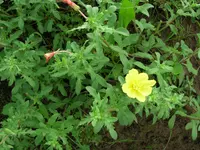
Cutleaf evening primrose, Oenothera laciniata, is a low-growing perennial or short-lived biennial wildflower, often used as a groundcover in informal gardens and naturalized areas. It forms loose mats of deeply cut, lobed leaves that stay close to the soil surface.
Plants produce soft yellow, four-petaled flowers that open in the evening and fade to pink, attracting moths and other nighttime pollinators. It is native to sandy and disturbed sites in eastern North America and adapts readily to poor, dry soils.
This species reseeds easily and can spread, which makes it resilient but sometimes a bit assertive. Gardeners who want to care for cutleaf evening primrose should know it prefers full sun, well-drained soil, and relatively low to moderate moisture once established.

Care Difficulty
Easy Care

Light Preference
Full Sun

Water Requirements
Low Water

Temperature Preference
Cold Hardy

Hardiness Zone
5–9

Soil Texture
Sandy, Loamy, Rocky

Soil pH
Acidic (5.5–6.5), Slightly acidic (6.5–7.0)

Soil Drainage
Well-drained

Fertilization
Minimal (feed rarely)
Scan your plant to receive care tips personalized for your specific plant
Available on iOS and Android
This sun-loving wildflower performs best in open, bright conditions with minimal shade.
This species is drought-tolerant once established and prefers slightly dry, well-drained soils.
This plant is adapted to temperate climates and tolerates a fairly wide temperature range once established.
Humidity is not a significant factor for Oenothera laciniata, which is adapted to dry, open sites.
Oenothera laciniata performs best in light, well-aerated ground that never stays waterlogged.
This species can be grown in containers if the potting setup mimics its naturally dry, free-draining habitat.
This species usually thrives in poor soils, so cutleaf evening primrose needs only minimal fertilization in garden settings.
Oenothera laciniata benefits from light, timely pruning to maintain a tidy mat and extend flowering.
This low, spreading perennial is more often transplanted in the garden than kept long term in containers.
New plants are most commonly raised from seed, as this species self-sows freely under suitable conditions.
In most temperate climates this species is cold hardy and needs little dedicated winter care.

Plant Health Check
Not sure what's wrong with your plant? Check your plant's health inside the app.
This low, spreading evening primrose is particularly effective at stabilizing sandy soils, helping to reduce erosion on dunes, road banks, and disturbed coastal sites in its native range.
The pale yellow flowers typically open toward evening and close by the following day, timing their bloom to match the activity of nocturnal pollinators such as moths.
Its leaves can vary from shallowly lobed to deeply cut on the same plant, which is one reason field botanists pay close attention to growth habit and flower traits when identifying this species.

This species is native to eastern North America but has become naturalized in parts of Europe, Asia, and other regions, where its ability to thrive in disturbed, sandy habitats has allowed it to spread beyond its original range.
This species spreads low and wide by creeping stems and self-seeding. In lean, dry soils it stays more controlled. In richer, disturbed or sandy areas it can colonize quickly, so deadhead and edge beds if needed.
Keep your plants happy and healthy with plant identification, disease detection, and easy care guidance.


Marguerite daisy
Argyranthemum frutescens

Hardy plumbago
Ceratostigma plumbaginoides

common motherwort
Leonurus cardiaca
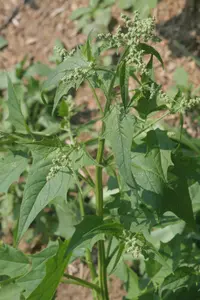
Eurasian maple-leaved goosefoot
Chenopodiastrum hybridum

smooth rupturewort
Herniaria glabra
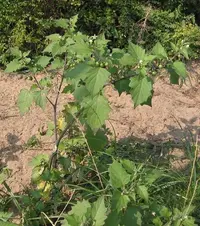
black nightshade
Solanum nigrum

Grey-leaved euryops
Euryops pectinatus
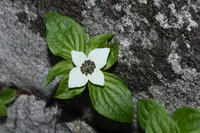
western cordilleran bunchberry
Cornus unalaschkensis