false neststraw Care (Ancistrocarphus filagineus)

Also known as: woolly fishhooks
false neststraw

About false neststraw

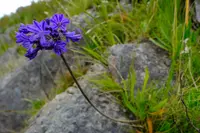
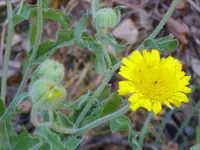
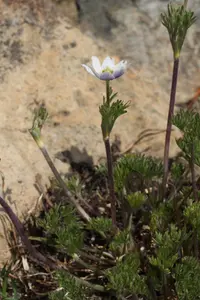
False neststraw, Ancistrocarphus filagineus, is a small annual wildflower in the daisy family native to dry, open habitats of the western United States. It typically forms low, branching mats with narrow, grayish, woolly leaves and small, clustered flower heads that give a slightly tufted, nest-like look.

This species is adapted to lean, fast-draining soils and seasonal drought, which makes it modest in size but relatively resilient once established. Gardeners who want to care for false neststraw should focus on replicating its sunny, dry native conditions with minimal irrigation and low fertility.

Main Plant Requirements

Care Difficulty

Moderate Care

Light Preference

Full Sun

Water Requirements

Low Water

Temperature Preference

Cool Climate

Hardiness Zone

7–9

Soil Texture

Sandy, Loamy, Rocky

Soil pH

Slightly acidic (6.5–7.0), Neutral (7.0)

Soil Drainage

Well-drained

Fertilization

Minimal (feed rarely)

Get Personalized Care Plan

Scan your plant to receive care tips personalized for your specific plant

Available on iOS and Android

How to Care for the false neststraw

This small annual from dry western habitats prefers strong light similar to open, sunny slopes.

  • Provide 6–8 hours of direct sun daily; morning to early afternoon sun is ideal for compact growth and flowering in false neststraw.
  • Tolerates light partial shade, especially with 3–4 hours of direct morning sun, but dense shade leads to weak, stretched stems and poor bloom.
  • In very hot regions, protect from intense late-afternoon sun in midsummer to prevent leaf scorch and excessive soil drying.

This plant is adapted to dry, fast-draining sites and is sensitive to excess moisture around the roots.

  • Allow soil to dry at least in the top 5–8 cm before watering; in sandy or gravelly soil, wait until it looks pale and feels dry by hand.
  • Water deeply but infrequently, letting excess drain away; standing water or heavy clay strongly increases the risk of root rot in Ancistrocarphus filagineus.
  • In spring growth, watch for slight leaf softening or droop as a cue to water; yellowing, limp foliage in damp soil signals overwatering.

This species is adapted to continental climates with cool to warm growing seasons and cold winters.

  • Best active growth occurs around 55–75°F (13–24°C), with flowering supported by cool to moderately warm days and cool nights.
  • Plants tolerate brief drops to about 20–25°F (-7 to -4°C) once established, but hard freezes with saturated soil can increase mortality.
  • Heat tolerance extends to about 90°F (32°C) if soil is sharply drained and air is dry; prolonged heat with high humidity may shorten lifespan.

This species tolerates low humidity and does not require special moisture in the air.

This annual prefers lean, fast-draining, sandy soil that mimics open, rocky habitats.

  • Use a gritty mix of coarse sand, fine gravel, and a small amount of low-nutrient compost to keep roots from sitting wet.
  • Aim for slightly acidic to neutral pH, around 6.0–7.0, which suits Ancistrocarphus filagineus in cultivation.
  • Avoid dense, clay-heavy, or peat-heavy substrates that hold water and collapse around the roots.
  • If existing soil is compacted, blend in mineral grit or small gravel to improve aeration and drainage before planting.

This species can be grown in containers if the pot replicates very sharp drainage.

  • Choose a shallow, wide pot so the spreading root system has lateral space rather than depth.
  • Use a clay or unglazed terracotta pot, which allows excess moisture to evaporate faster than plastic.
  • Raise the container slightly on pot feet or bricks so drainage holes never sit directly in collected water.

This small native annual is adapted to lean soils and usually needs no additional fertilizer in gardens or containers.

Ancistrocarphus filagineus needs only minimal pruning to stay healthy and tidy.

  • Carry out any light pruning after flowering, once seed has set if seed collection is desired.
  • Use clean, sharp scissors or hand pruners to remove dead, damaged, or diseased stems at the base.
  • Thin out any badly crowded or crossing stems to maintain good air flow and a natural, open shape.

This species is typically grown outdoors and treated as a small annual, so transplanting is more relevant than long‑term repotting.

  • Transplant young plants in early to mid spring when soils are workable and frosts are past or nearly past.
  • Move seedlings when roots just fill the plug or small pot; avoid waiting until roots circle the container.
  • Shift into only a slightly larger hole or pot with sharply draining, sandy soil to limit transplant shock.
  • Water lightly after transplanting, then allow the soil to dry between waterings so roots re‑establish in aerated conditions.

Propagation of Ancistrocarphus filagineus is usually done by seed rather than vegetative methods.

  • Collect ripe seed from dry flower heads at the end of the growing season and store it cool and dry.
  • Sow seed in late fall for natural cold stratification or in early spring after a brief chill period in the refrigerator.
  • Use a gritty, fast‑draining seed mix, press seed onto the surface, and keep it just barely moist until germination.
  • Provide bright light, good air movement, and low to moderate moisture to reduce damping‑off in young seedlings.

As a small annual adapted to dry, open habitats, this plant has no significant winter care needs in most temperate gardens.

  • Allow top growth to dry and set seed before removing spent plants at season’s end.
  • In colder areas, leaving seed heads in place through early winter can support self‑sowing of false neststraw.
  • Container plants can simply be discarded after seed collection, with fresh plants started from seed each year.

Care Tips

Mimic natural disturbance

Lightly roughen or rake the soil surface around plants in late winter to mimic natural disturbance, which can stimulate seed germination and help maintain a small self-sustaining colony.

Use gravel mulch

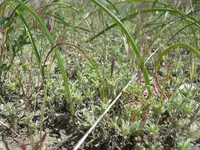
Apply a very thin (0.5–1 cm) layer of coarse mineral grit or small gravel around the crowns to keep leaf bases dry, reduce rot, and reflect light in exposed sites without trapping excess moisture.

Manage winter wet

In regions with cold, wet winters, place plantings on a slight south-facing slope or in raised berms so excess water drains away from the shallow root system, greatly improving survival.

Control competing plants

Regularly hand-weed grasses and vigorous broadleaf species within a 10–15 cm radius, as this small annual is easily outcompeted and benefits from reduced root and light competition when growing false neststraw.

Time seed collection

Collect seed as soon as the small heads turn dry and pale but before they shatter, then store them dry and cool and surface-sow them in autumn to maintain genetic diversity and population renewal.

Common Pests and Diseases

Powdery mildew

This disease appears as a white to gray powdery coating on leaves and stems, especially in late spring under warm, dry days with cool, humid nights. Symptoms include reduced vigor and distorted new growth in small, clustered rosettes.

Solution

Remove the most affected leaves to reduce spore load, avoid overhead watering, and ensure good air circulation around plants by spacing and light pruning of nearby vegetation. In garden settings, apply a sulfur or potassium bicarbonate fungicide labeled for ornamental forbs at the first sign of infection, repeating as directed during high-pressure periods.

Downy mildew

This disease causes yellow to pale blotches on the upper leaf surface with gray to purplish fuzzy growth on the undersides during cool, moist weather. Symptoms include premature leaf drop and a generally weakened, sparse plant canopy in wild or garden stands.

Solution

Improve drainage and airflow by thinning surrounding plants and avoiding dense overhead cover, and water early in the day so foliage dries quickly. Remove and discard infected foliage away from the site, and in cultivated settings use a phosphonate or copper-based fungicide labeled for downy mildew on herbaceous ornamentals if conditions stay persistently cool and damp.

Rust

This disease produces small, orange to brown pustules on the undersides of leaves and sometimes on stems, with corresponding pale spots on the upper side. Symptoms include gradual yellowing, early leaf drop, and reduced flowering in established clumps.

Solution

Carefully remove and dispose of infected leaves before pustules break open, and avoid working among wet plants to limit spore spread. In recurring cases in cultivated plantings, rotate to a low-nitrogen fertilizer to avoid overly soft growth and apply a labeled rust fungicide early in the season if the disease appears each year.

Aphids

These insects cluster on young stems and leaf bases, sucking sap and excreting sticky honeydew that can attract sooty mold. Symptoms include curled or stunted new growth and a general decline in vigor in small, scattered populations of the plant.

Solution

Dislodge colonies by spraying plants with a firm stream of water, repeating every few days until numbers drop. For persistent infestations, apply insecticidal soap or a light horticultural oil to all plant surfaces, focusing on undersides and tight leaf clusters, and encourage natural predators by minimizing broad-spectrum insecticides nearby to support Ancistrocarphus filagineus care.

Leaf spot complex

This disease group causes small brown, tan, or purplish spots on leaves that may merge into larger dead patches under stress, often following extended wet weather or overhead irrigation. Symptoms include thinning foliage and reduced photosynthetic area in small native or garden populations.

Solution

Reduce leaf wetness by watering at soil level and improving airflow, and promptly remove heavily spotted leaves to limit spread. If needed in garden cultivation, apply a broad-spectrum foliar fungicide labeled for leaf spot on herbaceous ornamentals early, repeating during long wet periods according to label directions.

Interesting Facts

Tiny desert annual

This species is a small, short-lived annual herb native to arid regions of the western United States, especially in sandy or gravelly desert soils that experience brief spring moisture.

Woolly leaf surface

Its leaves and stems are densely covered with fine hairs, giving the plant a gray-white, woolly appearance that helps reduce water loss and reflects intense desert sunlight.

Button-like flower heads

The plant forms compact, button-shaped flower heads typical of the aster family, with tiny florets packed closely together on short stalks near the ends of its branched stems.

FAQs about false neststraw

This species behaves as a small annual wildflower. It completes its life cycle within a single growing season, then sets seed and dies back. New plants usually come from seed rather than persistent roots or crowns.

Grow Healthy Plants with Botan Care

Keep your plants happy and healthy with plant identification, disease detection, and easy care guidance.

Botan plant care app — identify plants on mobile

Explore More Plants