Drummond's anemone Care (Anemone drummondii)

Drummond's anemone

About Drummond's anemone

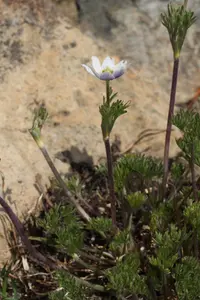
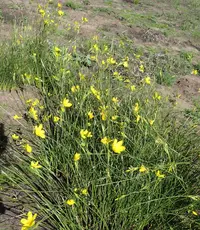
Drummond's anemone (Anemone drummondii) is a small, herbaceous perennial wildflower native to high-elevation regions of western North America. It typically grows in rocky or alpine meadows, forming low clumps close to the ground.

Plants produce short stems topped with delicate, pale to bright white flowers and divided, somewhat fern-like leaves. The overall look is compact rather than lush.

This species is adapted to cool summers, bright light, and well-drained, often gravelly soils. In hotter or humid lowland gardens it can be more challenging, so learning how to care for Drummond's anemone helps improve success.

It suits rock gardens, troughs, or naturalistic plantings where soil drains freely and winter cold is reliable.

Main Plant Requirements

Care Difficulty

Moderate Care

Light Preference

Partial Sun

Water Requirements

Moderate Water

Temperature Preference

Cold Hardy

Hardiness Zone

3–7

Soil Texture

Sandy, Loamy, Rocky

Soil pH

Acidic (5.5–6.5), Slightly acidic (6.5–7.0)

Soil Drainage

Well-drained

Fertilization

Minimal (feed rarely)

Get Personalized Care Plan

Scan your plant to receive care tips personalized for your specific plant

Available on iOS and Android

How to Care for the Drummond's anemone

This alpine perennial prefers bright conditions with protection from intense heat.

  • Provide 4–6 hours of direct morning sun with light afternoon shade, especially in hotter regions, to support compact growth and flowering in Drummond's anemone.
  • Allow light dappled shade from shrubs or rocks during midday; exposed south-facing sites in lowland summers can cause leaf scorch and shorter bloom duration.
  • In cooler, high-elevation or northern climates, choose an open east or northeast exposure so the plant receives strong light during the growing season without baking in late-day sun.

This species prefers evenly moist but not saturated soil during active growth.

  • Water when the top 2–4 cm of soil feels dry, aiming for moist, crumbly soil rather than wet; alpine-type, sharply drained ground prevents crown and root rot.
  • During spring and early summer growth, monitor after warm, windy days, as foliage may wilt slightly when the soil has dried more deeply than usual.
  • Reduce watering once foliage begins to yellow or die back after flowering, as the tuber rests and tolerates drier conditions, but avoid hard, prolonged drought that causes shriveling.

This alpine anemone is adapted to cool summers and cold, snowy winters.

  • Active growth and flowering occur best around 50–70°F (10–21°C), with cool nights helping maintain sturdy stems and prolonged bloom.
  • Dormant tubers tolerate winter cold down to about 0°F (−18°C) if soil drains well and snow or mulch provides insulation from rapid freeze–thaw cycles.
  • Heat above 80°F (27°C), especially with warm nights, can stress plants; provide afternoon shade and extra mulch to keep roots cooler during hot, dry spells.

This alpine perennial tolerates low humidity and does not require special moisture in the air.

  • Performs well at 30–50% humidity typical of heated or air-conditioned homes.
  • Tolerates dry air; leaf tips rarely brown unless combined with underwatering or intense heat.
  • If foliage wilts despite moist soil, slightly increase local humidity or reduce hot drafts rather than misting.

Anemone drummondii prefers lean, sharply drained, rocky or sandy soil that never stays wet for long.

  • Use a gritty mix such as 50% sandy loam, 30–40% coarse sand or fine gravel, and 10–20% compost for light nutrition.
  • Aim for slightly acidic to neutral pH around 6.0–7.2, avoiding highly alkaline or saline substrates.
  • Improve drainage and aeration by adding coarse sand, small grit, or perlite instead of water-retentive peat-heavy mixes.
  • Avoid compacted clay, low-lying soggy spots, or any soil where water pools longer than 15–20 minutes after watering.

This species can be grown in containers if the pot and mix emphasize rapid drainage.

  • Choose a deep, narrow pot so the taproot can extend downward without curling or hitting a shallow base.
  • Select a heavy clay or ceramic container outdoors to prevent tipping in wind while still allowing moisture to evaporate faster.
  • Elevate the pot on feet or bricks so drainage holes never sit in a saucer of standing water.

This alpine perennial is adapted to lean soils and usually needs little or no feeding once established.

  • If growth and flowering are weak in very poor soil, apply a light top-dressing of fine compost in early spring.
  • Where extra support is needed, use a low-dose balanced NPK fertilizer at 1/4–1/2 strength, once in spring only.
  • Avoid fertilizing during summer dormancy or winter, as excess nutrients may reduce long-term vigor of Drummond's anemone.

Pruning requirements for Anemone drummondii are minimal and focus on cleanliness rather than shaping.

  • In late spring or after flowering, remove spent flower stems at the base to keep plants tidy and reduce seed set.
  • Clip off any dead, diseased, or storm-damaged leaves using small, sharp scissors or hand pruners.
  • Avoid cutting into healthy crowns, as heavy pruning can reduce next season’s flowering and weaken plants.

This species is most often grown in rock gardens or native beds and dislikes frequent disturbance.

  • Transplant only when necessary, such as when clumps decline in flowering or become shaded out by other plants.
  • Choose early spring, just as new growth appears, so roots can re-establish before summer stress.
  • Lift with a broad trowel, keeping a generous soil ball around the crowns to limit root damage.
  • Replant at the same depth into well-drained soil, water gently, and shade lightly for 3–5 days to reduce shock.

Anemone drummondii is commonly propagated by seed, with some growers also using careful division.

  • Sow fresh seed in late summer or fall in trays kept outdoors for natural cold stratification over winter.
  • Use a gritty, sharply drained seed mix and keep moisture even but never waterlogged to support germination.
  • Transplant seedlings once they have several true leaves, disturbing roots as little as possible.
  • Mature clumps may be divided in early spring, separating small sections with healthy buds and replanting promptly.

This alpine wildflower is cold hardy and usually requires minimal winter care in its suitable climate range.

  • Tolerates freezing temperatures and snow cover when planted in sharply drained soil that prevents waterlogging.
  • In very exposed sites, apply a thin gravel or leaf mulch around, not over, crowns to buffer freeze–thaw cycles.
  • Container plants benefit from moving to a cold, sheltered spot to avoid saturated, frozen potting mix.

Care Tips

Rocky site selection

Choose a well-drained, rocky or gravelly slope or crevice rather than flat rich soil, as this mimics its alpine habitat and greatly improves long-term survival when growing Drummond's anemone.

Winter snow protection

In cold regions, position plants where natural snow cover persists (north or east-facing slopes), since a stable snowpack insulates the crowns from extreme temperature fluctuations and drying winds.

Avoid summer crowding

Do not plant vigorous groundcovers or tall perennials immediately around it, as reduced air flow and competition during summer dormancy can cause the small crowns to rot or disappear over time.

Careful weeding technique

Hand-weed gently around plants using a narrow tool and mark clumps with small stones or labels, because the shallow rhizomes and fine roots are easily disturbed or torn out.

Seedling micro-marking

If starting from seed outdoors, lightly circle emerging seedlings with fine gravel or grit so they are easy to see and less likely to be stepped on, overwatered, or buried by soil during later maintenance.

Common Pests and Diseases

Powdery mildew

This disease produces white, powdery patches on leaves and flower stems, especially in warm days with cool, humid nights. Symptoms include distorted growth and premature leaf drop if conditions persist.

Solution

Improve air circulation around plants, avoid overhead watering, and water early in the day so foliage dries quickly. Remove and discard heavily infected leaves, then treat remaining foliage with a sulfur or potassium bicarbonate fungicide labeled for ornamentals if the disease continues to spread.

Downy mildew

This disease causes yellow or pale blotches on upper leaf surfaces with grayish or purplish fuzz on the undersides in cool, moist conditions. Symptoms include leaf curling, wilting, and eventual leaf drop in crowded or shaded plantings.

Solution

Space plants to increase airflow, keep foliage dry, and avoid prolonged overhead irrigation. Remove and dispose of infected leaves and plant debris, and in persistent cases use a phosphonate or copper-based fungicide according to label directions for ornamentals.

Leaf spot

This disease produces small brown to purplish spots on leaves that may merge into larger dead areas, often starting on lower, older foliage. Symptoms include premature yellowing and thinning of the plant canopy under repeated infection.

Solution

Remove and discard affected leaves and spent stems to reduce the source of spores. Water at soil level, keep the crown area well ventilated, and if spotting is severe during wet periods, apply a labeled ornamental fungicide containing chlorothalonil or mancozeb, following all safety instructions.

Aphids

These insects cluster on young stems, buds, and the undersides of leaves, sucking sap and causing curling or distortion of growth. This pest also secretes sticky honeydew that can attract ants or promote sooty mold growth on foliage.

Solution

Dislodge colonies by spraying plants with a firm stream of water, repeating as needed. For persistent infestations, use insecticidal soap or a light horticultural oil, making sure to cover leaf undersides and tender shoots while avoiding applications during high heat or direct midday sun.

Leaf miners

These insects create pale, winding tunnels inside leaves as larvae feed between the leaf surfaces. Symptoms include serpentine trails that can cause affected leaves to yellow and decline if damage is heavy.

Solution

Remove and discard leaves showing fresh mines to physically reduce larvae. Encourage natural predators and, if needed, apply a systemic insecticide labeled for ornamental leaf miners early in the season, targeting adults before egg-laying becomes extensive when planning how to take care of Drummond's anemone in larger plantings.

Interesting Facts

High-alpine specialist

This species naturally occurs at high elevations in the Rocky Mountains, often above treeline, where it endures strong UV radiation, low temperatures, and a very short growing season.

Wind-pollination strategy

Unlike many showy anemones that rely mainly on insects, this species is largely adapted to wind pollination, with exposed stamens that release light, powdery pollen into the mountain air.

Tufted growth habit

It typically forms low, tufted clumps that hug the ground, a growth form that helps reduce moisture loss and protects the plant from cold, drying winds in its exposed habitats.

Botan icon

Did you know?

This species often completes its entire above-ground life cycle in a brief summer window, remaining dormant under snow for most of the year and then rapidly producing leaves, flowers, and seeds once conditions become favorable.

FAQs about Drummond's anemone

This species spreads slowly by short rhizomes and self-seeding in suitable alpine or rock garden conditions. It forms small clumps rather than dense mats and is not considered an aggressive spreader in typical home gardens.

Grow Healthy Plants with Botan Care

Keep your plants happy and healthy with plant identification, disease detection, and easy care guidance.

Botan plant care app — identify plants on mobile

Explore More Plants