shortstyle onion Care (Allium brevistylum)

shortstyle onion

About shortstyle onion

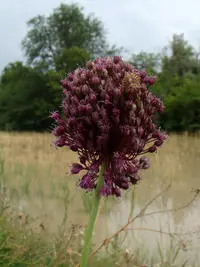
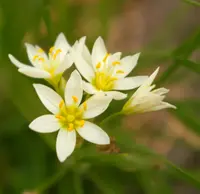
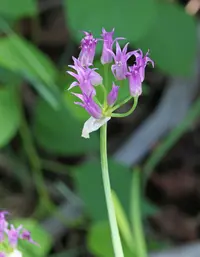
Shortstyle onion, Allium brevistylum, is a cold-hardy perennial wild onion native to wet mountain meadows and stream banks in western North America. It forms clumps of slender, grass-like leaves with upright stems topped by loose clusters of soft pink, star-shaped flowers.

Plants usually grow in moist, cool sites and often naturalize into small colonies where conditions stay damp through much of the growing season. They prefer sun to light shade, consistently moist soil, and good drainage, which makes them easier to manage in gardens that can mimic these cooler, moisture-retentive habitats.

For gardeners interested in how to care for shortstyle onion, its main needs are steady moisture, a cool root zone, and protection from very hot, dry locations.

Main Plant Requirements

Care Difficulty

Moderate Care

Light Preference

Full Sun

Water Requirements

Keep Soil Moist

Temperature Preference

Cold Hardy

Hardiness Zone

3–8

Soil Texture

Loamy, Silty, Organic-rich

Soil pH

Acidic (5.5–6.5), Slightly acidic (6.5–7.0)

Soil Drainage

Moist but well-drained

Fertilization

Minimal (feed rarely)

Get Personalized Care Plan

Scan your plant to receive care tips personalized for your specific plant

Available on iOS and Android

How to Care for the shortstyle onion

This high-elevation onion prefers bright, cool sun to light shade for strongest growth and flowering.

  • Provide 4–6 hours of direct sun daily, ideally with morning sun and light afternoon shade, especially in hotter lowland sites.
  • Tolerates partial shade, but flowering decreases if direct sun drops below about 3–4 hours, and stems may stretch and lean.
  • In hot summers, use filtered light or neighboring plants to protect shortstyle onion from harsh midafternoon sun that can scorch leaves.

This species prefers consistently moist, cool soil but is sensitive to stagnant water around its roots.

  • Water when the top 2–4 cm of soil feels just starting to dry, aiming for evenly damp (not saturated) soil during active growth.
  • Ensure excellent drainage with a gritty or sandy component so Allium brevistylum roots do not sit in puddled water after rain or irrigation.
  • In spring and early summer, moisture demand is highest; in late summer and fall, reduce watering slightly, watching for wilting tips as a sign to water.

This cold-adapted perennial thrives in cool summers and tolerates substantial winter chill.

  • Optimal growth occurs around 55–70°F (13–21°C), typical of higher elevations or cool-summer climates during the growing season.
  • Dormant bulbs tolerate at least -20°F (-29°C) in the ground when soil is not waterlogged, making the plant suitable for cold-winter regions.
  • In hot climates, growth may stall above 85°F (29°C); provide mulch and consistent moisture to keep roots cooler during heat waves.

Humidity is not a major factor for Allium brevistylum, which is adapted to relatively dry air.

  • Target 30–50% relative humidity, similar to typical indoor air or a dry outdoor climate.
  • Plants tolerate dry air but may show humidity stress as brown, papery leaf tips during hot, windy conditions.
  • Increase local humidity only in extreme dryness by grouping pots or placing a shallow gravel tray with water nearby, without raising moisture around the bulbs excessively.

Allium brevistylum prefers moist, well-drained, humus-rich soil that does not stay waterlogged.

  • Use a loamy mix with 40–50% mineral material (garden soil or sandy loam) and 50–60% organic matter such as compost or leaf mold.
  • Ensure free drainage by blending in coarse sand or fine gravel (15–25%) so water moves through but roots stay evenly moist, not soggy.
  • Aim for slightly acidic to neutral pH around 6.0–7.0, avoiding highly alkaline or strongly acidic substrates that can limit nutrient uptake.
  • Improve aeration in heavy clay by incorporating grit and compost thoroughly and avoid low spots or compacted beds where water stands after rain.

This species can be grown in containers if moisture and drainage are managed carefully.

  • Choose a pot at least 25–30 cm deep to accommodate the fibrous roots and allow a consistent moisture zone below the bulbs.
  • Select a heavy, stable container material like ceramic or thick plastic to prevent tipping when tall flowering stems catch wind.
  • Elevate the pot on feet or bricks so drainage holes stay clear and excess water can escape rapidly after rain or irrigation, preventing bulb rot.

This native bulb performs well in lean soils and usually needs only light feeding when cultivated as a garden plant.

  • Use a balanced, slow-release fertilizer (for example 10-10-10) or a thin layer of compost in early spring as growth starts.
  • Apply at most once per growing season for shortstyle onion, keeping total nutrient input modest.
  • Dilute liquid feeds to 1/2 strength if used, and apply to moist soil to avoid root burn.
  • Stop all fertilization as foliage begins to yellow and the plant moves toward dormancy.

Allium brevistylum needs minimal pruning, mainly for tidiness and plant health rather than shaping.

  • Cut spent flower stalks at the base after blooming to reduce seed set and conserve energy in the bulbs.
  • Remove dead, yellowing, or damaged leaves at ground level using clean, sharp scissors or hand pruners.
  • Avoid cutting healthy green foliage, since it is needed to recharge the bulbs for next year’s growth.
  • In fall, clear away only fully dried remains to limit fungal issues while preserving natural clump form.

This species is more often transplanted in garden beds than grown long term in containers.

  • Transplant or divide clumps every 3–5 years if flowering declines, growth slows, or bulbs become crowded.
  • Schedule moves for early spring as shoots emerge, or early fall after foliage has died back for lower stress.
  • Lift clumps carefully with a fork, keeping as much root and surrounding soil intact as possible.
  • Replant bulbs at the same depth in a well-drained site, water thoroughly, then keep soil lightly moist while roots re-establish.

Allium brevistylum is commonly propagated by division of clumps and, less often, from seed.

  • Divide mature clumps in early spring or early fall when soil is workable and temperatures are mild.
  • Lift the clump, gently separate individual bulbs or small groups by hand, and discard any soft or diseased ones.
  • Replant divisions at original depth in free-draining soil, spacing them to avoid future overcrowding.
  • For seeds, sow fresh in fall outdoors or use cold stratification, keeping the medium evenly moist until germination.

This cold-hardy bulb typically needs little special winter care in most temperate climates.

  • Once foliage dies back, it is normal for the plant to rest underground through freezing temperatures.
  • Apply a 3–5 cm layer of loose mulch over the root zone in colder areas to moderate soil temperature.
  • In containers, move pots to a sheltered, unheated but frost-exposed site to prevent waterlogging and freeze-thaw root damage.

Care Tips

Spring clump division

Every 3–4 years, lift and divide crowded clumps in early spring just as shoots emerge to maintain flower size and prevent the planting from becoming too dense and prone to disease.

Surface mulch strategy

Apply a 3–5 cm layer of fine bark or composted mulch around, but not on top of, the crowns to keep roots cool, suppress weeds, and reduce soil splash on foliage that can harbor fungal spores.

Targeted deadheading

Remove spent flower heads promptly unless seed is desired, cutting the stalks down to the basal leaves to direct energy back into the bulbs and encourage stronger growth the following season.

Snowmelt drainage check

In climates with heavy snow, inspect the site in early spring to ensure melting snow does not pool around the crowns, and if necessary, create shallow channels to move excess water away.

Bulb health monitoring

When dividing or replanting, discard any bulbs that are soft, discolored, or have a sour odor, as keeping only firm, healthy bulbs is essential for long-term success when growing shortstyle onion.

Common Pests and Diseases

Onion thrips

These insects rasp leaf surfaces and suck sap, leading to silvery streaks, fine speckling, and eventual leaf drying, especially in hot, dry weather. Symptoms include reduced vigor and distorted or stunted flowering stems.

Solution

Rinse foliage thoroughly with a firm stream of water to knock off thrips, then apply insecticidal soap or a neem-based product, focusing on leaf bases and undersides. Reduce nearby grassy weeds that host thrips and avoid excess nitrogen fertilization, which encourages soft, vulnerable growth.

Allium leaf miner

This pest tunnels within leaves and flower stalks, causing winding mines, wilting tips, and sometimes collapsed scapes. Symptoms include small puncture rows on leaves where adults laid eggs and browning of internal tissues.

Solution

Remove and destroy infested leaves and flower stalks immediately to break the life cycle, and avoid composting them. In areas where this fly is present, use fine insect netting over plantings during adult flight periods and rotate allium planting sites each year to reduce local buildup.

Downy mildew

This disease creates pale yellow patches on leaves that later show a gray to purplish downy growth on the undersides, especially in cool, moist conditions. Symptoms include gradual leaf collapse and weakened flowering.

Solution

Improve air circulation by spacing clumps adequately and keeping surrounding vegetation trimmed, and water at soil level in the morning so foliage dries quickly. Remove and discard affected leaves, avoid overhead irrigation during cool, humid periods, and if the problem recurs, consider rotating the planting site and using a labeled copper or phosphonate fungicide as a preventive spray in wet seasons.

Botrytis leaf blight

This disease starts as water-soaked or tan lesions at leaf tips that expand downward, often covered by a gray, fuzzy mold during prolonged wet weather. Symptoms include premature leaf dieback and reduced bulb vigor over time.

Solution

Cut off and discard infected leaf tips as soon as lesions appear and avoid overhead watering that keeps foliage wet for long periods. Keep plant debris away from the clump, thin dense plantings to enhance airflow, and in persistently wet climates, apply a labeled fungicide preventively to young foliage during extended rainy spells.

Bulb mites

These pests feed within bulbs and basal plates, leading to poor emergence, stunted shoots, and soft or discolored bulb tissue, particularly in older or stressed clumps. Symptoms include weak growth and occasional plant collapse from the base upward.

Solution

Lift and inspect declining clumps, discarding any soft or heavily infested bulbs and replanting only firm, clean material into well-drained soil. Practice crop rotation away from other alliums, avoid storing bulbs in damp conditions, and if mites are a recurring issue, consider a hot-water bulb treatment following precise temperature and time guidelines to avoid damaging the plant tissue.

Interesting Facts

Streamside mountain specialist

This species naturally occurs along cold, fast-flowing mountain streams and wet meadows in the Rocky Mountains, indicating a strong adaptation to saturated, cool soils rather than the drier sites typical of many ornamental alliums.

Distinctly short style

The name brevistylum refers to its relatively short style, the floral structure that connects the stigma to the ovary, which helps distinguish it morphologically from related North American wild onions.

Pollinator support role

Its pink, loosely clustered, bell-shaped flowers provide nectar and pollen for a range of high-elevation pollinators, including native bees and butterflies, when few other nectar sources are available in its alpine and subalpine habitats.

Botan icon

Did you know?

In some high-elevation habitats, this species forms extensive, visually striking bands of pink along stream corridors during peak bloom, creating a clear visual marker of moist microhabitats that botanists and ecologists use in the field to locate consistently wet ground in complex mountain terrain.

FAQs about shortstyle onion

Lack of flowers often comes from insufficient cold, too much shade, or nutrient-rich, soggy soil. Mimic a cool winter rest, provide strong light, and ensure well-drained, lean soil to support reliable flowering.

Grow Healthy Plants with Botan Care

Keep your plants happy and healthy with plant identification, disease detection, and easy care guidance.

Botan plant care app — identify plants on mobile

Explore More Plants