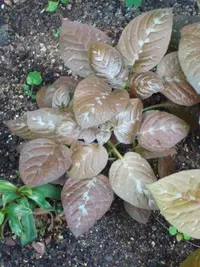
Tuberous Hawk's-beard Care (Aetheorhiza bulbosa)

Tuberous Hawk's-beard

About Tuberous Hawk's-beard

Tuberous hawk's-beard (Aetheorhiza bulbosa) is a small, tuber-forming perennial in the daisy family. It grows from an underground storage organ and produces slender stems with yellow dandelion-like flower heads.

In its native range around the Mediterranean, it appears in open, often rocky or sandy habitats and seasonal grasslands. The plant is adapted to mild, wet winters and dry summers, which influences how to care for Tuberous Hawk's-beard in cultivation.

It is generally undemanding if given well-drained soil and not kept constantly wet. Once settled, it can be relatively easy to maintain where winters are not too harsh and drainage is good.

Main Plant Requirements

Care Difficulty

Moderate Care

Light Preference

Full Sun

Water Requirements

Moderate Water

Temperature Preference

Warm Climate

Hardiness Zone

8–10

Soil Texture

Sandy, Loamy, Rocky

Soil pH

Slightly acidic (6.5–7.0), Neutral (7.0)

Soil Drainage

Well-drained

Fertilization

Minimal (feed rarely)

Get Personalized Care Plan

Scan your plant to receive care tips personalized for your specific plant

Available on iOS and Android

How to Care for the Tuberous Hawk's-beard

Aetheorhiza bulbosa prefers bright, open conditions similar to its sunny Mediterranean habitats.

  • Provide 6–8 hours of direct sun daily, ideally with morning sun and light afternoon shade in hotter regions to protect foliage from scorching.
  • Tuberous Hawk's-beard tolerates light partial shade (around 4–5 hours sun), but flowering and compact growth decrease if shade is too deep or prolonged.
  • In winter, full sun is beneficial, while in summer in hot climates use nearby plants or light shading to reduce intense mid‑afternoon exposure.

Aetheorhiza bulbosa stores water in its tuber, so the soil should dry between waterings.

  • Allow the top 3–5 cm of soil to dry before watering; in sandy or rocky ground this often means long gaps, especially after rain.
  • During active growth and flowering, water thoroughly but infrequently, ensuring excess drains away; yellowing, soft leaves can indicate overwatering and tuber rot.
  • Reduce watering sharply in summer dormancy, giving only enough to stop complete desiccation; limp, shriveled leaves or collapsed stems usually point to prolonged drought stress.

This Mediterranean bulb prefers mild, dry conditions and does not handle severe cold well.

  • Aim for 60–75°F (16–24°C) during active growth for best foliage and flower development.
  • Aetheorhiza bulbosa tolerates brief drops to about 25–28°F (-4 to -2°C) if soil is well-drained, but repeated hard frosts below this can damage or kill the tubers.
  • In hot climates, plants manage 80–90°F (27–32°C) if soil stays dry in dormancy; avoid combined heat and wet, which promotes rot and weak regrowth.

This species is drought-adapted and does not have demanding humidity needs indoors or outdoors.

  • Aim for 30–50% relative humidity, which matches most heated or air-conditioned homes.
  • Tolerates dry air well; leaf wilting or crispy tips usually relate more to underwatering or excess heat than humidity.
  • If air is extremely dry near heaters, move the pot a little farther away or place it near other plants to slightly raise local humidity.

This geophyte grows best in light, fast-draining mineral soil that prevents its tuber from staying wet.

  • Use a sandy or gritty loam with 30–50% coarse sand or fine gravel to keep the root zone open and free-draining.
  • In pots, mix roughly 50% cactus mix with 30% coarse sand and 20% pumice or perlite for sharp drainage and aeration.
  • Keep soil slightly alkaline to neutral, around pH 7.0–7.8, by avoiding peat-heavy mixes and incorporating a little garden lime if needed.
  • Avoid heavy clay, compacted ground, or organic-rich mixes that hold water around the tuber and promote rot in Aetheorhiza bulbosa.

This small, tuber-forming species is suitable for container growing outdoors or on bright patios.

  • Choose a pot that is wider than deep so the shallow tuber and radiating roots have horizontal space without sitting in a water sump.
  • Use an unglazed terracotta container if the site is rainy, as the porous walls help moisture evaporate faster from the mix.
  • Raise the pot on feet or bricks so drainage holes stay clear and excess water leaves quickly after heavy showers or irrigation.

Aetheorhiza bulbosa, or Tuberous Hawk's-beard, is a low‑nutrient wild species that needs only light feeding in cultivation.

  • Use a balanced, low-strength liquid fertilizer (such as 10-10-10) at 1/4–1/2 label dose in free-draining soil.
  • Feed lightly every 4–6 weeks during active spring growth only, skipping applications if foliage already looks vigorous.
  • Avoid rich compost or heavy slow-release products that can cause soft, weak growth and tuber rot.
  • Stop feeding completely once foliage begins to yellow and die back for dormancy.

Aetheorhiza bulbosa needs minimal pruning, focused on tidiness and plant health rather than shaping.

  • Cut back spent flower stems at the base after blooming to prevent unwanted self-seeding and keep the plant compact.
  • Remove dead, yellowing, or damaged leaves with clean, sharp scissors or hand pruners to reduce disease risk.
  • Thin out any crowded, weak stems in early spring to improve air flow and light penetration.
  • Avoid heavy cutting into healthy green growth, as this offers little benefit and can stress the small tuber.

This species is usually grown in open ground; focus on careful lifting and transplanting of the tubers when necessary.

  • Transplant in late summer to early fall after foliage has fully died back and the tuber is dormant.
  • Lift gently with a hand fork, keeping tubers intact; discard damaged or rotten ones before replanting.
  • Replant tubers 5–8 cm deep in well-drained soil, spacing them to avoid future crowding and competition.
  • Water lightly after transplanting, then keep soil just barely moist to limit shock and discourage rotting.

Aetheorhiza bulbosa is mainly propagated by seed and by division of its tubers during dormancy.

  • Collect ripe seeds after flowering and sow in fall in a gritty, well-drained mix kept barely moist.
  • For division, lift dormant tubers in late summer or fall and gently separate natural offsets by hand.
  • Replant divisions promptly at the same depth, labeling locations to avoid disturbing emerging shoots later.
  • Provide bright light, cool conditions, and moderate moisture to support steady establishment of new plants.

This Mediterranean bulb is only moderately hardy and may need some winter protection in colder climates.

  • In mild regions with good drainage, tubers usually overwinter in the ground with no extra care.
  • In colder or wet-winter areas, mulch lightly with 3–5 cm of dry leaves or bark to insulate the soil surface.
  • For container plants, move pots to a cold but frost-free spot, keeping the mix almost dry during dormancy.

Care Tips

Lift And Cure

After foliage dies back, lift the tubers, gently brush off soil, and cure them in a dry, shaded, well-ventilated place for 5–7 days before storage to reduce rot in the next season.

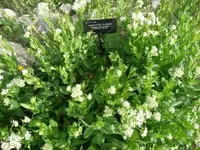
Dry Storage Medium

Store dormant tubers in a shallow box filled with dry vermiculite or coarse sand, keeping them spaced so they do not touch, which limits fungal spread if one starts to decay.

Rotation Within Bed

Replant tubers in a slightly different position within the same bed each year, or alternate with non-Asteraceae crops, to reduce buildup of soil-borne pests and pathogens specific to this plant family.

Targeted Deadheading

During active bloom, remove only spent flower heads while leaving the leafy rosette intact so the tuber can continue to photosynthesize and recharge for the next growth cycle when growing Tuberous Hawk's-beard.

Slug And Snail Barriers

In climates with mild, wet winters, protect emerging rosettes with low physical barriers such as copper tape rings or gritty mulch, which discourage slugs and snails from damaging young growth.

Common Pests and Diseases

Powdery mildew

This disease produces white, powdery patches on leaves and flower stems, especially in warm, dry air with poor air movement. Symptoms include distorted, dull foliage and reduced flowering.

Solution

Remove and discard heavily infected leaves and spent flower stalks, and avoid overhead watering so foliage dries quickly. Improve air circulation, thin nearby vegetation, and, if needed, apply a sulfur or potassium bicarbonate fungicide labeled for ornamental bulbs at the first sign of infection.

Botrytis blight

This disease causes soft, water-soaked spots on leaves and flower stalks that turn brown or gray and may develop fuzzy gray mold, especially in cool, damp weather. Symptoms include collapse of flower stems and spotting on petals.

Solution

Cut away and dispose of all affected plant parts and any fallen debris around the bulbs. Reduce moisture on foliage by watering at soil level, space plants to improve airflow, and in persistent cases use a labeled botrytis fungicide during prolonged wet periods.

Basal bulb rot

This disease affects the base of the bulb where roots emerge, leading to yellowing, stunted growth, and eventual collapse of the rosette. Symptoms include a soft, discolored basal plate and a sour or musty odor when bulbs are lifted.

Solution

Lift and discard all soft or rotting bulbs, keeping only firm, healthy ones. Replant in well-drained soil or raised beds, avoid overwatering, rotate planting areas, and use clean tools and dry storage conditions to prevent new infections when growing Aetheorhiza bulbosa.

Aphids

These insects cluster on young flower stems and undersides of leaves, sucking sap and causing curling, distortion, and sticky honeydew that can attract sooty mold. This pest can also weaken flowering and spread some viral diseases between plants.

Solution

Wash colonies off with a strong but controlled stream of water and pinch off heavily infested soft shoots. If populations persist, use insecticidal soap or a light horticultural oil, applied thoroughly to stems and leaf undersides, and encourage natural predators such as lady beetles by avoiding broad-spectrum insecticides.

Bulb mites

These pests feed inside or around damaged bulbs, leading to weak emergence, deformed leaves, and poor flowering, especially in stored or repeatedly lifted bulbs. This pest is often associated with bulbs already stressed or slightly rotted.

Solution

Inspect bulbs before planting, discarding any with soft spots, tunneling, or visible mites, and only keep firm, clean bulbs. Store bulbs cool and dry, avoid wounding them, and rotate planting stock; in severe recurring cases, a hot-water treatment of bulbs or use of clean, mite-free replacement bulbs is the most reliable long-term solution.

Interesting Facts

Mediterranean sand specialist

This small daisy-like perennial is native to coastal and sandy habitats of the western Mediterranean, where it survives on poor, well-drained soils that many other species cannot tolerate.

Tuber protects survival

The plant forms a fleshy underground tuber that stores water and nutrients, allowing it to endure seasonal drought and resprout after unfavorable conditions.

Evening-flowering habit

Flower heads typically open in the late afternoon or evening and close again by morning, an adaptation thought to protect reproductive parts from midday heat and dryness.

Botan icon

Did you know?

The species was long confused with several similar yellow-flowered members of the chicory tribe (Cichorieae) and its current placement in the monotypic genus Aetheorhiza reflects detailed morphological study of its unique combination of traits, including tuber shape and specific features of the flower heads and fruits.

FAQs about Tuberous Hawk's-beard

Young leaves and roots are considered edible in traditional foraging, usually cooked or blanched to reduce bitterness. Only harvest from clean, pesticide-free sites and introduce small amounts first, as individual digestive sensitivity can vary.

Grow Healthy Plants with Botan Care

Keep your plants happy and healthy with plant identification, disease detection, and easy care guidance.

Botan plant care app — identify plants on mobile

Explore More Plants