Control Self-Seeding
Deadhead spent flower heads before seed forms if you want to limit spreading, or bag a few flower umbels with fine mesh to collect seed cleanly for controlled replanting.

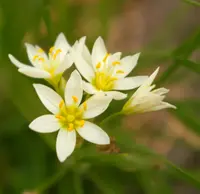
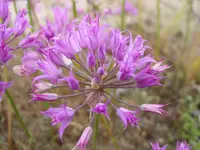
Meadow garlic, Allium canadense, is a small, bulb-forming perennial in the onion family. It produces slender grass-like leaves and wiry stems topped with pinkish to white flower clusters or bulbils. Plants often form loose colonies in open, sunny areas. It grows wild in fields, prairies, and roadsides across much of eastern and central North America. This species is generally hardy, adaptable, and not difficult to establish in suitable conditions. It prefers full sun, seasonally moist but well-drained soil, and low competition from dense turf. Gardeners who want to learn how to care for meadow garlic mainly need to focus on providing enough light and avoiding heavy, waterlogged soil.

Care Difficulty
Easy Care

Light Preference
Full Sun

Water Requirements
Moderate Water

Temperature Preference
Cold Hardy

Hardiness Zone
3–9

Soil Texture
Sandy, Loamy, Rocky

Soil pH
Acidic (5.5–6.5), Slightly acidic (6.5–7.0)

Soil Drainage
Well-drained

Fertilization
Minimal (feed rarely)
Scan your plant to receive care tips personalized for your specific plant
Available on iOS and Android
Allium canadense prefers full sun but tolerates some light shade, especially in hotter regions.
This species prefers evenly moist, well-drained soil and is more tolerant of brief dryness than standing water.
This hardy bulb tolerates a wide temperature range, from cold winters to warm summers, when planted outdoors in the ground.
Humidity is not a major factor for Allium canadense, which adapts well to typical outdoor air levels.
Allium canadense prefers loose, well-drained mineral soils that do not stay wet for long periods.
This species can grow in containers if the pot provides enough depth and rapid drainage.
Allium canadense needs only light feeding, especially in richer garden soils.
Allium canadense benefits from simple, occasional pruning to keep clumps tidy and focused on healthy growth.
This bulbous perennial is usually transplanted in the ground rather than repotted in containers.
Allium canadense is commonly propagated by bulb division and by planting its small aerial bulbils.
This species is cold hardy in much of the US and usually needs minimal winter care outdoors.

Plant Health Check
Not sure what's wrong with your plant? Check your plant's health inside the app.
Many populations often form clusters of small bulbils, or miniature bulbs, in the flower head instead of producing fully developed flowers, which allows the plant to spread vegetatively very efficiently.
This species is native to much of eastern and central North America, where it grows in prairies, open woodlands, roadsides, and disturbed soils rather than being an introduced Old World onion.
Crushed leaves and bulbs usually smell strongly of onion, but the intensity varies between plants and populations, and botanists use the presence of this odor to help distinguish it from toxic look-alike lilies.

The species produces underground bulbs and aboveground bulbils that can both persist in the soil seed bank, allowing populations to reappear and expand long after the original plants have been removed or disturbed.
Lack of flowering usually comes from insufficient sunlight, overcrowded clumps, or bulbs that are too young. Nutrient-poor or very dry soil also reduces bloom production. Dividing dense patches every few years often restores flowering.
Keep your plants happy and healthy with plant identification, disease detection, and easy care guidance.