Orient The Tubers
When planting, set tubers slightly on their side with the growth point just below the surface so that emerging shoots drain well and are less prone to rot in cool, wet spring soils.

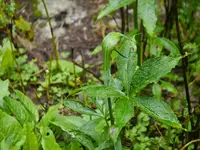
Jacquemont's cobra-lily, Arisaema jacquemontii, is a tuberous woodland perennial from the Himalayan region, where it grows in cool, moist mountain forests and meadows. It produces a striking hooded flower structure with a narrow spadix that gives it a cobra-like appearance.
Plants emerge in spring with one or more divided leaves held on tall stalks, then go dormant after the growing season. It spreads slowly by tubers and seed where conditions suit it.
This species can be moderately challenging, as it dislikes heat, winter wet, and disturbance once planted. Those who learn how to care for Jacquemont's Cobra-Lily usually focus on cool shade, evenly moist but well-drained soil, and protection from hot afternoon sun.

Care Difficulty
Moderate Care

Light Preference
Partial Shade

Water Requirements
Regular Water

Temperature Preference
Cold Hardy

Hardiness Zone
5–8

Soil Texture
Loamy, Silty, Organic-rich

Soil pH
Acidic (5.5–6.5), Slightly acidic (6.5–7.0)

Soil Drainage
Moist but well-drained

Fertilization
Minimal (feed rarely)
Scan your plant to receive care tips personalized for your specific plant
Available on iOS and Android
This woodland perennial prefers bright, indirect light with protection from harsh midday sun.
This tuberous plant needs steadily moist but not waterlogged soil during its active growing season.
This species is a cool-temperate woodland plant with good cold tolerance during dormancy.
This species prefers moderately moist air but usually adapts to typical indoor humidity.
Arisaema jacquemontii grows best in loose, humus-rich soil that drains freely yet retains steady moisture.
This species is suitable for container growing when the pot mimics its cool, evenly moist, woodland-style root environment.
This woodland perennial benefits from modest feeding rather than heavy fertilization.
Pruning needs for this species are minimal and focus on hygiene rather than shaping.
This tuberous plant is usually transplanted in the ground and moved only when necessary.
Division of tubers is the most practical way to increase this species for garden use.
This species is generally hardy in temperate climates but benefits from basic root-zone protection.

Plant Health Check
Not sure what's wrong with your plant? Check your plant's health inside the app.
This species is native to high-elevation slopes of the western Himalayas, where it grows in cool, moist, humus-rich soils under shrubs and light woodland, often between snowmelt and early summer heat.
Its tubers remain dormant through winter and sprout only when soil temperatures rise in late spring, an adaptation that helps avoid frost damage and late snow in its native range.
The hooded spathe forms a narrow chamber around the spadix, guiding small flies and gnats into the flower and temporarily trapping them so they transfer pollen as they move between male and female inflorescences.

In parts of its Himalayan range, local communities traditionally recognize this plant as a sign of the short mountain growing season, using its emergence after snowmelt as a rough indicator of when soils are workable for cool-season crops.
This species performs best outdoors in cool, moist, woodland-style conditions. It can be grown in containers and moved under cover, but long-term Jacquemont's Cobra-Lily indoor care is difficult due to its need for cool nights and seasonal dormancy.
Keep your plants happy and healthy with plant identification, disease detection, and easy care guidance.