Bulgarian Honey Garlic Care (Allium siculum subsp. dioscoridis)

Bulgarian Honey Garlic

About Bulgarian Honey Garlic

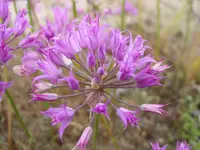
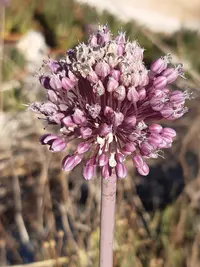
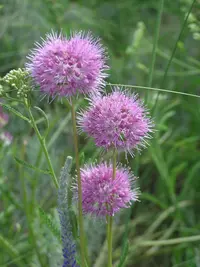
Bulgarian honey garlic, Allium siculum subsp. dioscoridis, is a bulb-forming perennial from the onion family, grown mainly for its unusual hanging flowers. It sends up tall, slender stems topped with clusters of bell-shaped blooms in soft cream, pink, and green tones, often nodding gracefully. Native to parts of southeastern Europe and the eastern Mediterranean, it is adapted to dry, sunny habitats with well-drained soils. Once established, it is generally low-maintenance and reliable if the bulbs do not sit in waterlogged ground. Gardeners who want to learn how to care for Bulgarian Honey Garlic should focus on providing sun, drainage, and relatively lean soil rather than rich, wet conditions.

Main Plant Requirements

Care Difficulty

Easy Care

Light Preference

Partial Shade

Water Requirements

Moderate Water

Temperature Preference

Cold Hardy

Hardiness Zone

4–8

Soil Texture

Sandy, Loamy, Rocky

Soil pH

Slightly acidic (6.5–7.0), Slightly alkaline (7.0–7.5)

Soil Drainage

Well-drained

Fertilization

Minimal (feed rarely)

Get Personalized Care Plan

Scan your plant to receive care tips personalized for your specific plant

Available on iOS and Android

How to Care for the Bulgarian Honey Garlic

This bulb prefers bright outdoor conditions with a balance of sun and light shade.

  • Provide 4–6 hours of sun daily, ideally with morning sun and light afternoon shade to protect drooping flowers of Bulgarian Honey Garlic.
  • Plant in a spot with dappled or filtered light under open shrubs or trees if midday sun is intense, especially in warmer regions.
  • In cooler climates, choose a more open, sunny position; too much deep shade causes weak, floppy stems and reduced flowering.

This bulb prefers moderately moist, free-draining soil and is sensitive to waterlogged conditions.

  • Water when the top 3–5 cm of soil feels dry, giving a deep soak that reaches the bulbs, then allow excess water to drain fully.
  • During active growth in spring, monitor rainfall; supplement only if conditions stay dry, but reduce watering as foliage yellows and the bulb enters dormancy.
  • Avoid soggy soil, which causes bulb rot and limp, yellowing leaves; very dry soil for long periods leads to stunted stems and smaller flower clusters in Allium siculum subsp. dioscoridis.

This hardy bulb tolerates a wide temperature range but has distinct seasonal needs.

  • Active growth and flowering perform best in cool to mild conditions around 50–70°F (10–21°C), typical of spring and early summer in many temperate regions.
  • Dormant bulbs withstand winter cold down to about 0°F (-18°C) in well-drained soil; prolonged freeze in waterlogged ground increases rot risk.
  • In hot summers above 85°F (29°C), foliage dies back earlier; provide some light shade and avoid reflected heat from walls or paving to protect roots.

This bulbous perennial is not humidity sensitive and thrives in typical outdoor ranges of 30–60%.

This bulb grows best in free-draining, moderately fertile substrates that stay relatively dry in winter.

  • Use a sandy or sandy-loam mix with 30–40% sharp sand or grit to keep pores open around the bulbs.
  • Blend in a small amount of mature compost for nutrients but avoid heavy, peat-rich mixes that hold water.
  • Target a slightly alkaline to neutral pH around 7.0–7.5; add garden lime if the native soil is very acidic.
  • Raise beds or plant on a gentle slope to improve drainage and prevent bulbs of Allium siculum subsp. dioscoridis from sitting in winter wet.

This species can be grown in containers if the pot is deep and very sharply drained.

  • Choose a tall, heavy container so the narrow, top-heavy flower stems do not tip the pot in wind.
  • Fill the pot with a gritty bulb mix and place bulbs near the container center to keep roots insulated from temperature swings.
  • Elevate the container on pot feet or bricks so water can exit freely and salts do not accumulate at the drainage holes.

This bulb is light-feeding and usually needs only modest nutrition in ordinary garden soil.

  • In average, well-prepared soil, a thin layer of compost or well-rotted manure in early spring is usually enough for Bulgarian Honey Garlic.
  • Where soil is poor, apply a balanced slow-release fertilizer (around 10-10-10) at planting or early growth.
  • Use fertilizer at half the label rate to avoid soft, weak growth and salt buildup around bulbs.
  • Stop feeding once foliage begins to yellow and the plant heads toward dormancy.

Allium siculum subsp. dioscoridis needs only minimal pruning focused on hygiene and seed control.

  • After flowering, cut spent flower stalks at the base if self-seeding is not desired.
  • Leave green leaves in place until they yellow and wither naturally, then remove them cleanly by hand or with sharp shears.
  • Trim only dead, diseased, or badly damaged foliage during the season to limit stress on the bulbs.
  • Disinfect pruning tools before and after use to reduce the chance of spreading fungal or bacterial problems.

This species is usually grown in the ground and only moved when clumps become crowded or growth declines.

  • Check for reduced flowering, many small stems, or bulbs packed closely together as signs a clump needs lifting.
  • Plan transplanting for late summer to early fall, once foliage has died back and bulbs are dormant.
  • Lift bulbs carefully with a fork, loosen soil gently, and separate offsets without tearing the basal plate where roots attach.
  • Replant at the original depth in well-drained soil, water lightly, and avoid heavy disturbance afterward to limit root stress.

New plants are most often raised by bulb division, with seed used mainly for larger-scale or patient growers.

  • Divide dormant bulbs in late summer or early fall, separating firm, healthy offsets from the parent bulb.
  • Replant offsets immediately at similar depth in well-drained soil, spacing them to allow future clump expansion.
  • For seed, sow fresh in pots or trays outdoors, using a gritty mix and light cover for natural cold stratification.
  • Keep seed containers evenly moist, not waterlogged, and expect variable, sometimes slow, germination and flowering after several years.

This hardy bulb generally overwinters outdoors in much of the US with little intervention once established.

  • Tolerates typical winter frosts in USDA zones roughly 5–8 when planted in well-drained soil.
  • Apply a light mulch layer after the ground cools to moderate temperature swings and reduce heaving.
  • In colder zones or very wet winters, grow in containers or raised beds with sharp drainage to avoid bulb rot.
  • Move container-grown bulbs to a sheltered, unheated but frost-sheltered spot, keeping the mix just barely moist.

Care Tips

Stake Flower Stems

Insert slender bamboo canes or metal supports early in the season and loosely tie the tall flowering stems to prevent wind damage and lodging, especially in exposed beds.

Use Gritty Topdressing

After planting, apply a 1–2 cm layer of horticultural grit around the bulbs to improve surface drainage, reduce soil splash on foliage, and discourage slugs from chewing emerging shoots.

Plan Bulb Lifting

In areas with very wet summers or poorly drained soil, lift bulbs once foliage has fully yellowed, dry them in a single layer in a shaded, airy place, then store in dry compost or vermiculite until replanting in autumn.

Combine With Groundcovers

Plant low, shallow-rooted groundcovers nearby to conceal fading foliage after bloom while still leaving a 10–15 cm clear zone around the bulbs for air flow and easy access.

Monitor Bulb Offsets

Every 3–4 years, dig and divide clumps after dormancy to separate and replant healthy offsets at proper spacing, which maintains flowering performance and provides extra bulbs for expanding or sharing when growing Bulgarian Honey Garlic.

Common Pests and Diseases

Narcissus bulb fly

This pest targets ornamental bulbs and can tunnel into Allium bulbs, causing weak growth or plant collapse. Symptoms include stunted shoots, yellowing leaves, and hollow, rotten bulbs when lifted.

Solution

Dig up and destroy any infested bulbs, including surrounding soil clumps that may contain larvae. In future seasons, plant bulbs a bit deeper, use fine mesh or fleece over emerging shoots in spring to prevent egg-laying, and rotate planting areas to reduce buildup in garden beds where you grow Allium siculum subsp. dioscoridis.

Allium leaf miner

This pest is a small fly whose larvae mine into leaves and sometimes bulbs, creating winding tunnels and weak, distorted foliage. Symptoms include white or brownish streaks in leaves, puncture lines, and premature yellowing.

Solution

Remove and dispose of affected foliage promptly to break the life cycle and avoid leaving infested plant material on site. Use fine insect mesh over plants during known fly activity periods, and avoid growing related alliums in the same spot year after year to reduce repeated infestations.

Onion thrips

These insects feed by scraping and sucking sap from leaves, leading to silvery streaks, fine speckling, and general loss of vigor. Symptoms include distorted growth, dull foliage, and increased susceptibility to other stress factors.

Solution

Rinse foliage with a firm stream of water to dislodge thrips, then use insecticidal soap or a horticultural oil labeled for edible alliums, applied thoroughly to leaf surfaces. Encourage natural predators by avoiding broad-spectrum insecticides and reduce plant stress with proper watering and spacing to support overall Bulgarian Honey Garlic care instructions.

Downy mildew

This disease favors cool, moist conditions and can cause pale patches on leaves that turn yellow or brown with a grayish or purplish downy growth on the underside. Symptoms include collapsing foliage and reduced flowering when infections are severe.

Solution

Remove and discard infected leaves as soon as they are noticed and avoid overhead watering that keeps foliage wet for long periods. Improve spacing and airflow, water at soil level, and rotate bulb plantings so that susceptible alliums are not grown repeatedly in the same damp, shaded positions.

Botrytis neck rot

This disease affects stored or stressed bulbs, leading to soft, sunken tissue at the neck that may develop gray mold. Symptoms include poor emergence in spring, weak or failing shoots, and a characteristic musty mold on affected bulbs.

Solution

Inspect bulbs carefully before planting and discard any with soft spots, discoloration, or mold. Cure and store bulbs in a dry, airy place, avoid mechanical damage at lifting time, and plant in well-drained soil to reduce stress that makes bulbs more vulnerable to Botrytis infection.

Interesting Facts

Nodding bell flowers

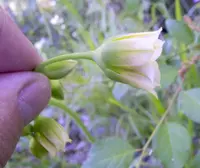
The plant forms loose umbels of pendulous, bell-shaped flowers with cream, pink, and green tones, which hang downward while the flower stalk itself arches gracefully, giving a distinctive layered look compared with many upright ornamental alliums.

Nectar for early pollinators

Flowering in late spring to early summer, it provides nectar and pollen for bees and other insects at a time when many bulbs have already finished, making it a valuable bridge resource in pollinator-friendly plantings.

Mediterranean woodland origins

This subspecies is naturally associated with limestone-rich, lightly shaded habitats in parts of the eastern Mediterranean, which explains its preference for well-drained soils and tolerance of summer dryness when grown in gardens.

Botan icon

Did you know?

When the nodding flowers age and set seed, the stalks gradually straighten and the flower heads turn upright, so the developing seed capsules are displayed above the foliage rather than hanging down, a structural shift that likely improves seed dispersal and visibility to seed-eating animals.

FAQs about Bulgarian Honey Garlic

Lack of flowers usually comes from bulbs being too young, overcrowded, or weakened by poor nutrition. Shallow planting, heavy shade, or cutting foliage too early after flowering can also prevent the bulb from storing enough energy for next season.

Grow Healthy Plants with Botan Care

Keep your plants happy and healthy with plant identification, disease detection, and easy care guidance.

Botan plant care app — identify plants on mobile

Explore More Plants