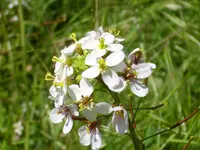
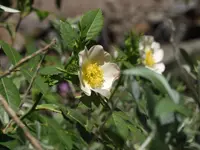
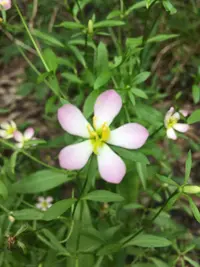
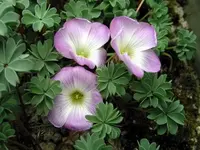
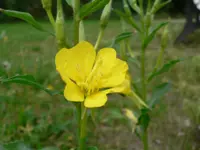
striped rosemallow Care (Hibiscus striatus)

striped rosemallow

About striped rosemallow

Striped rosemallow (Hibiscus striatus) is a shrubby, semi-aquatic hibiscus known for its large, pale flowers marked with striking pink to red stripes. It often grows upright with multiple stems and can form dense clumps in suitable conditions.

In nature it occurs in wet areas, riverbanks, and marshy sites in parts of South America, so it favors consistently moist soil and warm conditions. Flowers are showy and short-lived but produced over an extended season, which makes it attractive in ornamental gardens.

Most gardeners find it moderately easy to grow once its moisture needs are met. Understanding how to care for striped rosemallow mainly involves providing sun, moisture, and rich, well-drained soil without prolonged drought stress.

Main Plant Requirements

Care Difficulty

Moderate Care

Light Preference

Full Sun

Water Requirements

Regular Water

Temperature Preference

Tropical / Frost Sensitive

Hardiness Zone

9–11

Soil Texture

Loamy, Silty, Organic-rich

Soil pH

Acidic (5.5–6.5), Slightly acidic (6.5–7.0)

Soil Drainage

Moist but well-drained

Fertilization

Moderate (every 2–4 weeks)

Get Personalized Care Plan

Scan your plant to receive care tips personalized for your specific plant

Available on iOS and Android

How to Care for the striped rosemallow

Hibiscus striatus prefers bright outdoor conditions with several hours of direct sun for strong growth and flowering.

  • Provide 4–6 hours of direct sun daily, ideally morning to early afternoon, with light shade during the hottest midafternoon hours in hot summer climates.
  • Accepts partial shade, but in more than 50% shade flowering decreases and stems may stretch, producing fewer buds and weaker growth.
  • In cooler seasons allow more direct sun; in hot summers use neighboring plants or light shade cloth to prevent leaf scorch and premature flower drop when sun is intense.

This species prefers evenly moist soil and does not tolerate long dry spells, especially in active growth.

  • Water when the top 2–4 cm of soil feels just dry, aiming to re-moisten the root zone without leaving the soil soggy or waterlogged.
  • Use rich, well-drained soil that still holds moisture; standing water or a sour smell indicates poor drainage and raises the risk of root rot for Hibiscus striatus.
  • In hot, windy weather, watch for drooping leaves by midday as a sign of thirst, while yellowing, mushy lower leaves often signal chronic overwatering.

This hibiscus grows best in warm, frost-free conditions typical of mild to hot climates.

  • Optimal growth occurs around 70–85°F (21–29°C), with strongest flowering in consistently warm weather and sheltered spots.
  • Plants are damaged near 32°F (0°C) and can be killed by hard frost; mulch roots and protect with covers if brief cold snaps are forecast.
  • Tolerates short periods to about 95°F (35°C) if soil moisture is maintained; in extreme heat, reduce stress by using light afternoon shade and avoiding pruning during hot spells.

This species benefits from moderately moist air but adapts to typical indoor humidity.

  • Aim for 50–60% humidity to keep leaves lush and reduce tip browning.
  • Tolerates short dry-air periods, but curled leaf edges and flower bud drop signal humidity stress.
  • Increase humidity with a nearby pebble tray or grouped plants rather than misting, which adds only brief surface moisture and can encourage leaf spots on striped rosemallow.

Hibiscus striatus needs evenly moist, well-drained, nutrient-rich soil to support fast growth and flowering.

  • Use a loamy mix with 40–50% organic matter such as compost plus 20–30% coarse sand or perlite for drainage.
  • Target slightly acidic to neutral pH, around 6.0–7.0, to support nutrient uptake and healthy root growth.
  • Improve aeration by incorporating chunky materials like pine bark fines, which create air pockets and prevent compaction.
  • Avoid heavy clay, waterlogged spots, or pure sand, all of which cause root stress, nutrient issues, and weak flowering.

This species grows well in containers when provided with stable moisture and ample root space.

  • Choose a deep, wide pot to support the vigorous root system and reduce rapid drying between waterings.
  • Select a heavier material such as glazed ceramic to stabilize the tall, leafy top growth in windy or exposed spots.
  • Elevate the pot on feet or bricks so drainage holes stay clear and excess water exits quickly after heavy watering or rain.

Hibiscus striatus responds well to moderate feeding during warm, active growth.

  • Use a balanced liquid fertilizer (around 10-10-10 or 20-20-20) at 1/2 strength every 2–3 weeks in spring and summer.
  • Alternatively, apply a slow-release granular fertilizer once in early spring, following label rates for flowering shrubs.
  • Supplement with a thin layer of compost over the root zone each spring to improve soil structure and nutrient supply.
  • Reduce feeding to once every 6–8 weeks, or stop entirely, during cool dormancy or low-light winter conditions.

Pruning Hibiscus striatus keeps plants compact, encourages flowering, and removes weak growth.

  • Carry out main pruning in late winter or very early spring before strong new growth begins.
  • Remove dead, diseased, crossing, or storm-damaged stems back to healthy tissue using clean, sharp bypass pruners.
  • Thin crowded interior branches to improve light penetration and airflow, which supports better bud formation.
  • Lightly shorten overly long shoots after flowering to maintain shape without removing most flower buds.

This species is often grown in the ground, but container plants or young Hibiscus striatus benefit from occasional transplanting.

  • Look for roots circling the pot, water running straight through, or slowed growth as signs a larger container or planting site is needed.
  • Plan transplanting or repotting for early spring or early fall, avoiding very hot or very cold periods.
  • Move container plants every 2–3 years into a pot 2–5 cm wider, using a free-draining, compost-rich mix.
  • Water thoroughly before and after moving, handle the root ball gently, and keep the plant shaded for several days to limit transplant shock.

Hibiscus striatus is commonly propagated from semi-hardwood cuttings and seeds.

  • Take 10–15 cm semi-hardwood cuttings in late spring or summer, removing lower leaves and dipping the base in rooting hormone.
  • Insert cuttings into a moist, sterile, free-draining medium and keep at 70–80°F with high humidity and bright, indirect light.
  • Sow fresh seeds in spring in a warm seed tray, just covered with mix, and keep evenly moist until germination.
  • Ventilate propagating trays gradually once roots form, then pot on young plants carefully to avoid root damage.

Hibiscus striatus tolerates only light frost and usually needs some winter protection in colder regions.

  • In climates below about 25–30°F, treat it as a tender shrub and plan for extra protection or replanting.
  • Mulch the root zone with 5–8 cm of straw, leaves, or bark in late fall to buffer temperature swings.
  • For container plants, move pots indoors or into a frost-free greenhouse, giving bright light and slightly reduced watering.
  • Wrap exposed stems in breathable horticultural fleece during cold snaps to limit dieback.

Care Tips

Sturdy stake support

Install tall, sturdy stakes or a low wire frame early in the season so the stems can grow through and lean on the support, which prevents wind damage and keeps heavy flowering shoots upright.

Mulch for root cooling

Apply a 5–8 cm layer of organic mulch around the root zone, keeping it a few cm away from stems, to keep roots cooler in summer, reduce evaporation, and maintain more even soil moisture.

Bud-drop monitoring

Check regularly for yellowing buds that drop before opening, which often signals inconsistent moisture or sudden temperature swings, and adjust irrigation and shading to stabilize conditions.

Targeted pest scouting

Inspect young shoot tips and flower buds at least weekly during warm weather for aphids, whiteflies, and spider mites, and treat early with a directed spray of insecticidal soap before populations build up.

Seasonal rejuvenation cut

In mild climates, remove 1–2 of the oldest, woodiest stems at the base each year at the end of winter to stimulate vigorous new canes and improve flowering when growing striped rosemallow.

Common Pests and Diseases

Hibiscus sawfly

This pest feeds on the leaf surface, leaving hibiscus foliage skeletonized with only veins remaining. Symptoms include rapidly thinning leaves, ragged edges, and heavy defoliation on young shoots.

Solution

Hand-pick larvae where feasible and prune off heavily infested shoots, disposing of them in the trash. For larger populations, spray the undersides of leaves with a strong jet of water, then apply a spinosad or pyrethrin-based product labeled for ornamental shrubs, repeating as needed while monitoring new growth closely as part of Hibiscus striatus plant care.

Hibiscus aphids

These insects cluster on tender shoots, buds, and leaf undersides, sucking sap and causing curling, distortion, and sticky honeydew that can lead to sooty mold. Ants often appear alongside them, attracted to the honeydew.

Solution

Rinse affected areas with a firm stream of water every few days to knock aphids off the plant. If populations persist, use insecticidal soap or a light horticultural oil, making sure to coat stems and leaf undersides and to repeat treatments according to label directions until new growth emerges clean.

Hibiscus spider mites

This pest causes fine speckling, dull or bronzed leaves, and eventually webbing between leaves and stems, especially in hot, dry weather. Symptoms include premature leaf drop and a generally stressed appearance despite adequate water.

Solution

Increase humidity around the plant and hose down foliage thoroughly, including the undersides of leaves, to physically remove mites. Follow with applications of insecticidal soap or a miticide labeled for ornamentals, rotating products if needed and treating every 5–7 days until no new webbing or stippling appears.

Leaf spot (fungal)

This disease produces small brown, tan, or purple spots on leaves that may merge into larger blotches, often with yellow halos. Symptoms include premature yellowing and drop of older foliage, especially in dense, poorly ventilated plantings.

Solution

Remove and discard affected leaves and any fallen debris around the plant to reduce spore spread. Improve spacing and airflow, avoid wetting foliage late in the day, and when needed apply a copper or chlorothalonil-based fungicide labeled for ornamental shrubs, focusing on newly developing leaves.

Botrytis blight

This disease affects flowers and young shoots, causing buds to brown, fail to open, and develop a gray fuzzy mold, especially in cool, humid conditions. Symptoms include soft, water-soaked areas on petals and stems that quickly collapse.

Solution

Prune off and discard all affected buds, flowers, and soft tissue, and clean up spent blooms from the soil surface. Improve air circulation, avoid overhead watering, and if conditions stay cool and damp, apply a fungicide labeled for botrytis on ornamentals, directing sprays to buds and young shoots where infection begins.

Interesting Facts

Striped petal pattern

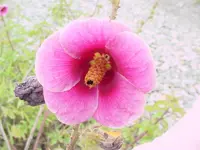
This species naturally develops longitudinal stripes on its petals, caused by differential pigment distribution in the flower tissues, which helps pollinators recognize the blooms at a distance.

Swamp-edge specialist

In its native range in South America, this plant often occurs along riverbanks, marsh margins, and periodically flooded lowlands, tolerating short-term waterlogging better than many other ornamental hibiscus species.

Bee and butterfly magnet

The open, funnel-shaped flowers with a protruding staminal column provide easy access to nectar and pollen, making the species an important nectar source for native bees and butterflies where it is established.

Botan icon

Did you know?

In some regions where it has escaped cultivation, Hibiscus striatus can behave as a naturalized wetland shrub, forming dense stands that alter the structure of local riparian plant communities.

FAQs about striped rosemallow

Lack of flowers usually comes from insufficient light, low nutrients, or stress from drought, root disturbance, or cold. Ensure strong sun, a balanced slow-release fertilizer, and avoid heavy pruning right before the main flowering season.

Grow Healthy Plants with Botan Care

Keep your plants happy and healthy with plant identification, disease detection, and easy care guidance.


Botan plant care app — identify plants on mobile

Explore More Plants