Staggered Planting Blocks
Plant bulbs in dense clusters of 7–15, spaced in several groups a few weeks apart, to create a fuller display and extend the flowering period when growing Allium grande outdoors.

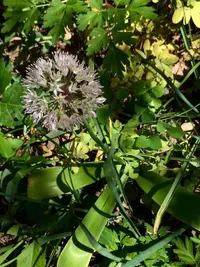
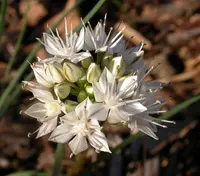
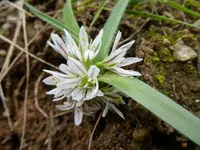
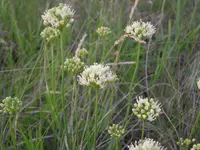
Allium grande is a bulb-forming ornamental onion grown mainly for its tall flower stems and showy, rounded clusters of star-shaped blooms. It typically has narrow, strap-like leaves at the base and upright flowering stalks that add strong vertical structure to beds and borders.
This species is usually found in Mediterranean-type or dry, open habitats, so it is adapted to sunny, well-drained conditions. Once established, it is generally low-maintenance, though bulbs dislike heavy, waterlogged soils. Many gardeners find it relatively straightforward to care for Allium grande when given bright light and moderately dry, lean soil.
Its tidy, clumping growth habit suits mixed plantings, rock gardens, and naturalistic designs where seasonal flowering accents are desired without constant attention.

Care Difficulty
Moderate Care

Light Preference
Full Sun

Water Requirements
Moderate Water

Temperature Preference
Cool Climate

Hardiness Zone
8–10

Soil Texture
Sandy, Loamy, Rocky

Soil pH
Slightly acidic (6.5–7.0), Neutral (7.0)

Soil Drainage
Well-drained

Fertilization
Minimal (feed rarely)
Scan your plant to receive care tips personalized for your specific plant
Available on iOS and Android
This bulb prefers open, bright conditions to flower well and maintain sturdy stems.
This species prefers evenly moist but not saturated soil during active growth.
This ornamental onion is a cool- to mild-climate bulb with distinct active and dormant phases.
This bulb tolerates typical indoor humidity and does not require special adjustments.
The bulbs need freely draining, mineral-lean soil to prevent rot and support firm growth.
This species is suitable for container growing when the pot and substrate manage water quickly.
This bulb generally needs modest feeding, with focus on supporting flowering rather than lush leaf growth.
Pruning is mostly limited to tidying spent growth and maintaining bulb health rather than shaping the plant.
This ornamental allium is more often transplanted in garden beds than repotted in containers.
Multiplication of this species is usually done by division of bulbs, with seed used mainly in specialist collections.
This hardy bulb tolerates typical temperate winters, needing only light attention in colder regions.

Plant Health Check
Not sure what's wrong with your plant? Check your plant's health inside the app.
This bulb-forming species is native to highland regions of Mexico, where it grows in open, rocky habitats with strong light and well-drained soils.
It produces rounded clusters of small, star-shaped flowers on tall, leafless stalks, a typical allium inflorescence form that is especially attractive to pollinating insects in its native range.
The underground bulb stores nutrients and water to survive seasonal dryness, while the narrow leaves reduce surface area and help limit water loss in exposed sites.
Lack of flowers usually comes from bulbs being too young, overcrowded, or depleted after previous seasons. Poor light, very dry spring soil, or heavy nitrogen fertiliser also reduce flowering. Divide congested clumps and use a balanced, bulb-focused fertiliser.
Keep your plants happy and healthy with plant identification, disease detection, and easy care guidance.