Mark Bulb Positions
After foliage dies back, place discreet markers where each bulb sits so you can avoid damaging them during soil cultivation or when adding new plants nearby.

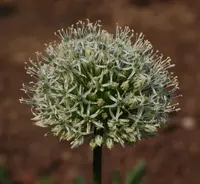
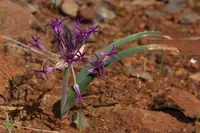
Persian shallot (Allium stipitatum) is a hardy bulb-forming allium grown for its tall flower stems and edible, aromatic bulbs. It produces spherical clusters of small, star-shaped purple flowers above slender, strap-like leaves.
This species is native to mountainous regions of Iran and neighboring areas, where it grows in rocky, well-drained soils. It is generally easy to grow in temperate climates if given full sun and soil that does not stay wet.
Gardeners who want to care for Persian shallot should focus on good drainage and avoiding heavy, waterlogged ground, which can cause the bulbs to rot over time.

Care Difficulty
Easy Care

Light Preference
Full Sun

Water Requirements
Low Water

Temperature Preference
Cold Hardy

Hardiness Zone
5–8

Soil Texture
Sandy, Loamy, Rocky

Soil pH
Slightly acidic (6.5–7.0), Slightly alkaline (7.0–7.5)

Soil Drainage
Well-drained

Fertilization
Minimal (feed rarely)
Scan your plant to receive care tips personalized for your specific plant
Available on iOS and Android
Allium stipitatum grows best in bright, open sites with strong sun exposure.
Allium stipitatum prefers relatively dry conditions and is sensitive to excess moisture around the bulbs.
This bulb is cold hardy and handles a wide temperature range when planted outdoors in suitable climates.
Allium stipitatum grows best in relatively dry air and usually does not need special humidity management.
Allium stipitatum needs sharply drained, relatively lean soil to prevent bulb rot and support strong growth.
This species can be grown in containers if the pot provides depth, fast drainage, and stable support for tall flower stalks.
Allium stipitatum benefits from modest feeding during active growth but does not need heavy fertilization.
Allium stipitatum needs very light pruning focused on tidiness and bulb health rather than shaping.
This species is more often grown in garden beds than containers, so focus on careful bulb lifting and transplanting.
Allium stipitatum is commonly propagated by bulb division and, less often, by seed in garden settings.
This ornamental allium is generally cold hardy and needs little winter care in most temperate climates.

Plant Health Check
Not sure what's wrong with your plant? Check your plant's health inside the app.
This ornamental onion is native to high-altitude regions of Iran, Afghanistan, and neighboring parts of Central Asia, where it grows on rocky, well-drained slopes and open mountain steppe.
The species name stipitatum refers to its long, stalk-like scape that elevates the spherical flower head well above the foliage, a trait that helps flowers stand out to pollinators in open habitats.
As a wild relative of cultivated onions and garlic, this species is studied as a genetic resource for traits such as stress tolerance and disease resistance in Allium breeding programs.

In parts of Iran, the dried bulbs and flower stalks of this species (known locally as mooseer) are traditionally collected from wild populations, sun-dried, and used as a pungent culinary seasoning distinct from common garlic or onion.
Lack of flowering often comes from bulbs that are too small, overcrowded, or exhausted, or from insufficient cold in winter. Allow foliage to die back naturally after bloom, then divide and replant larger bulbs every few years.
Keep your plants happy and healthy with plant identification, disease detection, and easy care guidance.