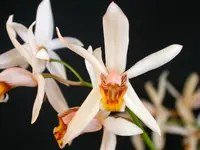
Crisp Plumeiris Care (Tritonia undulata)

Also known as: Crisp Triton
Crisp Plumeiris

About Crisp Plumeiris

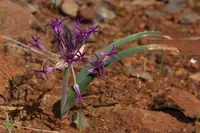
Crisp Plumeiris, Tritonia undulata, is a small corm-forming flowering plant in the iris family, grown mainly for its showy, flared blooms. It usually produces slender, upright leaves and elegant flower spikes with ruffled, wavy petals in warm colors.

In nature it is found in South Africa, often in sunny, open habitats with well-drained soil. It tends to be moderately easy to grow if kept dry when dormant and protected from hard frost.

Gardeners who care for Crisp Plumeiris often grow it in containers or rock gardens, where good light, free-draining soil, and controlled watering support healthy growth.

Main Plant Requirements

Care Difficulty

Moderate Care

Light Preference

Full Sun

Water Requirements

Moderate Water

Temperature Preference

Warm Climate

Hardiness Zone

8–10

Soil Texture

Sandy, Loamy, Organic-rich

Soil pH

Acidic (5.5–6.5), Slightly acidic (6.5–7.0)

Soil Drainage

Well-drained

Fertilization

Light (every 4–6 weeks)

Get Personalized Care Plan

Scan your plant to receive care tips personalized for your specific plant

Available on iOS and Android

How to Care for the Crisp Plumeiris

Tritonia undulata grows best in bright, open conditions that mimic its sunny native habitat.

  • Provide 6–8 hours of direct sun daily, ideally with full morning sun and lighter afternoon exposure to reduce leaf scorch risk.
  • Plant Crisp Plumeiris in a site with unobstructed light; it tolerates light partial shade (2–3 hours) but flowering and stem strength decline in deeper shade.
  • In hotter regions, give some filtered light during peak afternoon sun in summer, and avoid planting where reflective surfaces can intensify radiation.

This bulb prefers a distinct wet–dry cycle that matches its active and dormant seasons.

  • During active growth, water only when the top 3–5 cm of soil feel dry, allowing moisture to penetrate deeply but not pool around the bulbs.
  • Use sharply drained, sandy or gritty soil so excess water runs off quickly; standing water or heavy clay promotes bulb rot in Tritonia undulata.
  • Reduce watering to light, infrequent sips as foliage yellows and dies back, then keep soil almost dry during full dormancy, watching for shriveling as a sign of underwatering.

This species thrives in mild, Mediterranean-type climates with cool, wet winters and warm, dry summers.

  • Aim for active growth temperatures around 55–70°F (13–21°C), which support steady leaf and flower development without stress.
  • Protect plants from hard frost; foliage is damaged below about 28°F (-2°C), and bulbs may be harmed if soil freezes deeply for long periods.
  • In summer dormancy, bulbs tolerate heat up to about 90–95°F (32–35°C) if soil stays dry, but prolonged hot, wet conditions increase rot risk.

Humidity is a minor factor for Tritonia undulata, which copes well with typical indoor and outdoor air.

  • Aim for 30–50% humidity, similar to most heated homes, without special equipment.
  • The plant tolerates short spells of drier air, but leaf tips may brown if paired with underwatering.
  • If air is very dry and warm, group pots together or place a tray of water and pebbles nearby for a slight boost.

Soil for Tritonia undulata must drain quickly while holding moderate moisture around the corms.

  • Use a gritty mix, such as 2 parts sandy or loamy garden soil, 1 part coarse sand, and 1 part fine gravel or perlite.
  • Keep pH slightly acidic to neutral, around 6.0–7.0, as strongly alkaline soil can limit nutrient uptake.
  • In heavy clay, plant in raised beds with added coarse sand and fine gravel to improve aeration and prevent rot.
  • Avoid compacted, waterlogged, or peat-heavy mixes that stay wet for long periods and suffocate the roots.

This species is suitable for container growing, especially where winters are cold or soil is heavy.

  • Choose a pot at least 20–25 cm deep so the corms can sit 5–8 cm below the surface with room for root spread.
  • Select a terracotta or unglazed clay pot to allow faster evaporation if overwatering is a concern.
  • Elevate the container on pot feet so drainage holes clear freely and excess water does not pool under the base.

Tritonia undulata benefits from light, targeted feeding to support flowering without forcing excessive leaf growth.

  • Use a balanced NPK fertilizer (such as 10-10-10) or well-aged compost for container or border plantings of Crisp Plumeiris.
  • Feed every 4–6 weeks during active growth in spring and early summer, then stop as foliage begins to yellow.
  • Dilute liquid fertilizer to 1/2–1/4 strength to avoid burning the fine roots and salt buildup in the soil.
  • Avoid feeding during dormancy or winter; the corms rest and excess nutrients can lead to rot rather than stronger growth.

Tritonia undulata needs only light pruning focused on cleaning and directing energy to the corms.

  • In late summer or early fall, remove spent flowering stems at the base with clean, sharp scissors or hand pruners.
  • Allow green foliage to die back naturally, since it feeds the corm; trim it only once it has turned fully yellow or brown.
  • Cut away damaged, diseased, or overcrowded stems to improve air movement and reduce fungal issues.
  • Avoid heavy shaping; this small geophyte maintains its natural form and heavy cutting can reduce the next season’s blooms.

This corm-forming plant is usually grown in the ground; transplanting or lifting clumps is only needed every few years.

  • Look for crowded corms, reduced flowering, or bulbs pressing against container sides as signs that division or transplanting is due.
  • Plan to lift and move Tritonia undulata in late summer to early fall, once foliage has died back and the corms are dormant.
  • Every 3–4 years, dig up clumps carefully, shake off loose soil, and separate healthy corms by hand.
  • Replant corms at the original depth in well-drained soil, water lightly, and keep disturbance minimal to reduce root and shoot stress.

This species is commonly propagated by dividing corms and, less often, by seed under controlled conditions.

  • Divide mature clumps in late summer or early fall once foliage has died back and corms are dormant.
  • Gently separate offsets from the parent corm, discarding any soft, diseased, or shriveled pieces before replanting.
  • Replant divisions in well-drained, gritty soil, spacing them 5–8 cm apart, then water lightly to settle the soil.
  • For seed propagation, sow fresh seed in trays of sandy mix at 60–70°F with bright, indirect light and keep evenly moist.

This plant prefers mild, frost-free winters and benefits from simple protection in colder climates.

  • In regions with light frost, apply a 5–8 cm layer of dry mulch over the planting area after foliage dies back.
  • In colder zones below about 20–25°F, lift corms after dieback and store them dry in a cool, frost-free place.
  • Keep stored corms in breathable paper bags or trays with dry medium, checking occasionally for mold or rot.
  • Container-grown plants in marginal climates can be moved into a bright, cool indoor space or unheated garage before hard freezes.

Care Tips

Staggered Planting Blocks

Plant corms in tight groups of 7–12, spaced 5–8 cm apart in blocks rather than rows to create fuller floral displays and help the spiky foliage support itself in windy sites.

Mark Dormant Sites

As foliage yellows and dies back, place unobtrusive labels or stakes at clump edges so you do not disturb resting corms when digging, mulching, or replanting other species during dormancy.

Lift And Divide

Every 3–4 years, lift clumps after the leaves are fully dry, discard soft or damaged corms, and replant only the firm, marble-sized ones to maintain strong flowering and reduce overcrowding.

Dry-Summer Protection

In areas with wet summers or poorly drained beds, dig and store corms in a dry, airy box of coarse sand or vermiculite, then replant at the start of the growing season as part of caring for Crisp Plumeiris.

Cut Flower Harvesting

When cutting stems for indoor arrangements, harvest in the cool morning once the first flower on the spike has opened and place stems immediately in clean lukewarm water to extend vase life without weakening the remaining corms.

Common Pests and Diseases

Bulb mites

This pest feeds on the fleshy bulb scales and basal plate, leading to weak shoots, poor flowering, and sometimes bulb collapse in storage or in the ground.

Solution

Discard badly infested bulbs, then clean and dry any salvageable bulbs and store them in a cool, airy place; before planting, inspect bulbs carefully and remove any soft tissue. Rotate planting sites, avoid planting in very wet or compacted soil, and if needed use a sulfur or neem-based bulb dip labeled for ornamental bulbs to reduce mite populations.

Narcissus bulb fly

This pest lays eggs on or near bulbs, and the larvae tunnel into the bulb, causing yellowing foliage, stunted growth, or complete failure to emerge.

Solution

Lift and inspect bulbs that fail to thrive and destroy any that show tunneling or soft, rotting centers. Use fine mesh or fleece over bulb beds during the adult flying period in late spring–summer, plant bulbs a bit deeper, and avoid leaving old bulbs exposed on the soil surface, which attracts egg-laying females.

Aphids

These insects cluster on emerging foliage and flower stalks, sucking sap and causing distortion, curled leaves, and sticky honeydew that can lead to sooty mold.

Solution

Spray infested shoots with a strong stream of water to dislodge aphids, then use insecticidal soap or a light horticultural oil, ensuring thorough coverage of leaf undersides and flower stems. Encourage natural predators such as lady beetles by avoiding broad-spectrum insecticides in the garden.

Botrytis blight

This disease causes water-soaked leaf tips, spotting on flowers, and soft, collapsing tissue, often followed by gray, fuzzy mold, especially in cool, damp weather.

Solution

Remove and discard affected leaves, flowers, and any plant debris around the bulbs, and improve air circulation by avoiding overcrowding. Water at soil level in the morning, keep foliage as dry as possible, and in persistent humid conditions consider a labeled ornamental bulb fungicide as part of Tritonia undulata care instructions.

Basal plate rot

Symptoms include yellowing foliage, stunted growth, and bulbs that become soft, discolored, and foul-smelling at the base where roots emerge, often after planting in poorly drained soil or storing bulbs too warm and moist.

Solution

Dig up and discard all affected bulbs and any obviously damaged neighbors, then improve soil drainage with sand or grit and avoid overwatering during dormancy. Store healthy bulbs in a dry, cool, well-ventilated place and always plant only firm, uninjured bulbs to limit pathogen entry at the basal plate.

Interesting Facts

Seasonal geophyte strategy

This species survives dry summers as an underground corm, then sends up leaves and flowers in the rainy season, a typical adaptation of South African geophytes to a strongly seasonal climate.

Distinctive wavy foliage

Its narrow leaves have strongly undulating (wavy) margins, a feature reflected in the name undulata and used by botanists to distinguish it from closely related Tritonia species.

Cape Floristic origin

The species is native to the winter-rainfall regions of South Africa’s Cape Floristic Region, one of the world’s biodiversity hotspots where many bulbous Iridaceae evolved in nutrient-poor, fire-prone habitats.

Botan icon

Did you know?

The tubular, often pale to pinkish flowers are shaped and positioned to accommodate specific long-tongued pollinators, such as certain bees and moths, illustrating a classic example of specialized pollination seen in the iris family.

FAQs about Crisp Plumeiris

This species usually blooms in late spring to early summer, depending on climate and planting time. Flowering typically lasts 3–5 weeks, with individual blooms shorter-lived but opening in succession along the spike for an extended display.

Grow Healthy Plants with Botan Care

Keep your plants happy and healthy with plant identification, disease detection, and easy care guidance.

Botan plant care app — identify plants on mobile

Explore More Plants