sand leek Care (Allium scorodoprasum)

sand leek

About sand leek

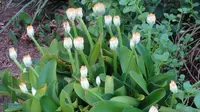
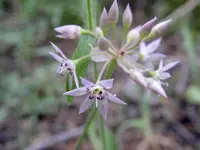
Sand leek, Allium scorodoprasum, is a perennial bulb-forming allium related to onion and garlic. It produces clumps of hollow, blue-green leaves and tall flowering stems. In late spring to early summer it carries dense, dark purple flower heads that later form bulblets instead of many seeds. The plant is native to parts of Europe and western Asia, where it often grows in meadows, field margins, and light woodland edges. Sand leek is generally hardy, long-lived, and not difficult to maintain once established, which makes it interesting for naturalistic plantings and edible gardens. It prefers sunny, well-drained sites and benefits from moderately moist but not waterlogged soil, which guides how to care for sand leek.

Main Plant Requirements

Care Difficulty

Easy Care

Light Preference

Full Sun

Water Requirements

Moderate Water

Temperature Preference

Cold Hardy

Hardiness Zone

4–9

Soil Texture

Sandy, Loamy, Organic-rich

Soil pH

Slightly acidic (6.5–7.0), Neutral (7.0)

Soil Drainage

Well-drained

Fertilization

Minimal (feed rarely)

Get Personalized Care Plan

Scan your plant to receive care tips personalized for your specific plant

Available on iOS and Android

How to Care for the sand leek

This bulb prefers bright conditions and performs best in open, sunny sites.

  • Provide 6–8 hours of direct sun daily; morning and midday sun promote strong stems and dense flowering.
  • Tolerates light partial shade, especially in the afternoon, but too much shade causes weak, floppy growth and fewer blooms.
  • In hot summers, protect from harsh late-afternoon sun with very light shade; sand leek in deep shade may elongate leaves and produce small flower heads.

Allium scorodoprasum dislikes waterlogged soil and prefers moderate, well-timed watering.

  • Water when the top 3–5 cm of soil feels dry, aiming for evenly moist but never soggy conditions during active spring growth.
  • Ensure free-draining soil; standing water around bulbs increases risk of rot and yellowing, limp foliage.
  • Reduce watering sharply once foliage starts to yellow and die back after flowering, and keep bulbs almost dry during dormancy except in very dry climates.

This hardy bulb tolerates a wide temperature range but has clear seasonal preferences.

  • Active growth and flowering are strongest at 60–75°F (16–24°C), typical of mild spring and early summer conditions.
  • Dormant bulbs tolerate winter cold down to about 0°F (−18°C) in well-drained soil, especially with mulch in exposed gardens.
  • In hot regions, plants cope with short periods up to 90°F (32°C) if soil does not dry out completely, but prolonged extreme heat may shorten the flowering period.

Humidity is not critical for sand leek, which thrives in typical outdoor air conditions.

Allium scorodoprasum prefers loose, well-drained mineral soil that does not stay wet after rain or watering.

  • Use a sandy or sandy-loam texture with plenty of grit to keep pores open around the bulbs.
  • Incorporate 20–30% compost by volume to supply nutrients without making the mix heavy or waterlogged.
  • Aim for slightly acidic to neutral pH, roughly 6.0–7.0, avoiding very acidic or chalky extremes.
  • Avoid compacted clay or peat-heavy mixes; improve drainage with coarse sand or fine gravel if soil feels sticky.

This species is suitable for container growing outdoors when drainage and depth are managed carefully.

  • Choose a pot at least 25–30 cm deep so bulbs can sit several times their height below the rim with room to multiply.
  • Select a heavier material such as terracotta or ceramic to prevent tall flowering stems from tipping the pot in wind.
  • Raise the container on pot feet or bricks so drainage holes stay clear and excess water leaves quickly after rain.

Allium scorodoprasum is not a heavy feeder but responds well to modest nutrition in average garden soil.

  • Work in a light layer of compost or well-rotted manure around clumps in early spring to support new growth.
  • Apply a balanced slow-release fertilizer (for example 10-10-10) at 1/2 strength once in spring if soil is poor.
  • Avoid summer and autumn feeding; allow foliage to mature and bulbs to enter dormancy naturally in winter.
  • In containers, use a dilute balanced liquid feed every 4–6 weeks during active growth, then stop once leaves yellow.

Pruning needs for Allium scorodoprasum are minimal and mainly focused on tidiness and seed control.

  • In late spring or early summer, deadhead spent flower stalks at the base to reduce self-seeding and keep clumps neat.
  • Remove yellowing or damaged leaves with clean, sharp scissors to limit disease spread and improve appearance.
  • Leave healthy green foliage until it dies back naturally, so bulbs can store energy for next season’s flowering.
  • In naturalized plantings, pruning can be limited to cutting down dry stems in late autumn or early winter.

This species is usually grown in the ground, so management focuses on lifting and transplanting crowded bulbs rather than frequent repotting.

  • Check clumps every 3–4 years; crowded plants, reduced flowering, or bulbs pushing to the surface indicate a need for division.
  • Lift and transplant bulbs in late summer to early autumn, after foliage has fully died back and bulbs are dormant.
  • Gently loosen soil, lift bulbs with a garden fork, and separate offsets, keeping roots intact to limit transplant shock.
  • Replant bulbs at the original depth in well-drained soil, water once to settle, then keep soil only lightly moist until growth resumes.

Propagation of Allium scorodoprasum is commonly done by bulb division and also by planting bulbils or seed in suitable conditions.

  • Divide mature clumps in late summer or early autumn, when bulbs are dormant and foliage has disappeared.
  • Separate offsets or bulbils and replant them 5–8 cm deep in loose, well-drained soil with good sunlight exposure.
  • For seed, sow fresh in autumn outdoors or cold-stratify for several weeks, then provide light and even moisture.
  • Label young plantings, keep soil moderately moist, and allow 2–3 years for robust bulbs and reliable flowering.

This hardy bulb tolerates typical winter conditions in most temperate climates and usually needs only minimal care.

  • Established garden clumps overwinter in the ground without extra wrapping, as the bulbs are frost tolerant.
  • In colder regions or exposed sites, apply a 3–5 cm layer of loose mulch to insulate the root zone.
  • Container-grown sand leek benefits from moving to a sheltered, unheated spot to prevent waterlogging and freeze–thaw stress.

Care Tips

Controlled clump division

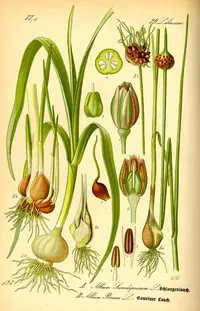
Lift and divide congested clumps every 3–4 years in late summer after foliage dies back, replanting only the firmest bulbs to maintain vigorous growth and reduce self-sown overcrowding.

Limit unwanted self-seeding

Deadhead spent flower heads before seed ripens if you do not want the plant to naturalize aggressively, leaving only a few umbels to mature where you want new plants.

Bulbil propagation

Collect the small bulbils that form in the flower heads, dry them for a few days in a shaded, airy place, then sow them in a shallow tray or nursery bed to raise uniform new plants for future planting rows.

Crop rotation planning

Rotate planting areas on a 3–4 year cycle away from other Allium beds to reduce soil-borne disease buildup and onion fly pressure, marking former sites in a garden plan for easy tracking.

Selective edible harvest

Harvest only 1–2 leaves per plant at a time and cut flowering stems from just a portion of the clump, so the remaining foliage can continue to photosynthesize and recharge bulbs for long-term success when growing sand leek.

Common Pests and Diseases

onion fly

This pest lays eggs at the base of the plant; the larvae tunnel into bulbs and stems, causing yellowing, collapse, and rotting tissue.

Solution

Use fine insect mesh over the crop from planting until foliage is well established, practice crop rotation, and promptly destroy infested plants and bulbs; in home gardens, timing sowing or planting slightly later can also reduce overlap with peak egg-laying periods.

allium leaf miner

This pest causes puncture rows on leaves from egg-laying, followed by internal tunneling that weakens plants and can lead to bulb rot.

Solution

Cover plants with insect mesh as soon as shoots emerge, remove and destroy affected foliage and bulbs at season’s end, and avoid leaving volunteer alliums that can host larvae in surrounding areas.

downy mildew

This disease produces pale patches on leaves that turn yellow and later brown, often accompanied by a grayish-purple fuzzy growth in humid, cool conditions.

Solution

Increase spacing for better airflow, water at soil level in the morning, promptly remove infected foliage, and avoid overhead watering; in areas with recurring problems, choose well-drained, sunny sites and rotate away from alliums for several years.

neck rot

This disease infects soft neck tissue during late growth or after harvest, causing sunken, watery, then dry decayed areas and eventual collapse of stored bulbs.

Solution

Allow foliage to dry fully before harvest, cure bulbs thoroughly in a warm, dry, airy place, avoid neck damage during harvest, and store only firm, healthy bulbs in cool, dry conditions while removing any that show early signs of rot.

rust

This disease forms orange to brown powdery pustules on leaves, reducing photosynthesis and weakening plants, especially in crowded or damp stands.

Solution

Improve airflow by correct spacing, avoid prolonged leaf wetness, remove and discard infected leaves, and keep the area free of allium debris to lower the amount of fungal spores, which supports better Allium scorodoprasum care over multiple seasons.

Interesting Facts

Clove-scented foliage

When the leaves are crushed, they release a scent reminiscent of garlic and cloves, which reflects the species name scorodoprasum, meaning garlic-leek in Greek.

Bulbil-rich flower heads

Instead of producing only flowers and seeds, this species forms many small bulbils in the umbel, which drop to the ground and help the plant spread vegetatively in suitable habitats.

Specialist pollinator support

The purple, nectar-rich flower clusters are particularly attractive to bees and hoverflies, providing a mid- to late-summer food source in its native European range, which supports local pollinator diversity.

Botan icon

Did you know?

In parts of central and eastern Europe, sand leek has been traditionally foraged as a wild vegetable, with its mild garlic-like flavor used to season dishes long before the widespread cultivation of modern leek and garlic forms.

FAQs about sand leek

The bulbs and leaves are edible and have a mild garlic-onion flavor. They are typically cooked or finely chopped raw. Only harvest from chemical-free sites and avoid confusing it with similar ornamental alliums not grown for food.

Grow Healthy Plants with Botan Care

Keep your plants happy and healthy with plant identification, disease detection, and easy care guidance.

Botan plant care app — identify plants on mobile

Explore More Plants