Root training pots
Use tall, narrow containers with plenty of side drainage holes to encourage a strong taproot and minimize circling roots, especially in the first 2–3 years of growing Baobab from seed.

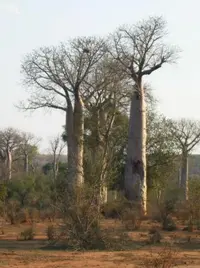
Baobab (Adansonia za) is a long-lived, succulent tree known for its swollen trunk that stores water and its sparse, seasonal foliage. It is native to Madagascar, where it grows in dry, open landscapes.
This species has a slow to moderate growth rate and can be grown in containers when young, often as a compact, sculptural specimen. The thick trunk and drought tolerance make it relatively forgiving if watering is infrequent.
Adansonia za prefers strong light, very well-drained soil, and dry conditions during its rest period. Understanding how to care for Baobab starts with respecting its origin in arid habitats.

Care Difficulty
Moderate Care

Light Preference
Full Sun

Water Requirements
Low Water

Temperature Preference
Tropical / Frost Sensitive

Hardiness Zone
11–12

Soil Texture
Sandy, Loamy, Rocky

Soil pH
Slightly acidic (6.5–7.0), Neutral (7.0)

Soil Drainage
Well-drained

Fertilization
Minimal (feed rarely)
Scan your plant to receive care tips personalized for your specific plant
Available on iOS and Android
This drought-adapted tree needs very bright light and thrives in full sun exposure.
This species is highly drought-tolerant and prefers infrequent, deep watering in fast-draining soil.
This tree prefers warm, dry conditions and is sensitive to cold, especially when young.
This species handles low household humidity well and rarely needs special moisture adjustments.
Adansonia za prefers very fast-draining, mineral soils that mimic arid, rocky habitats.
This species can be grown in containers for many years if the pot is chosen to support its heavy trunk and dry-side needs.
Adansonia za in containers benefits from light, controlled feeding during active growth, while in-ground trees often need minimal input.
Pruning Adansonia za is mainly for structure and health rather than frequent size control.
Adansonia za grows slowly and dislikes frequent disturbance, so repotting or transplanting is done only when clearly needed.
Adansonia za is most reliably propagated from seed, which requires warmth and patience.
Adansonia za is frost-sensitive and needs careful winter management in cool climates, especially in containers.

Plant Health Check
Not sure what's wrong with your plant? Check your plant's health inside the app.
This species is the most southerly distributed of all baobabs, occurring mainly in the dry deciduous forests and spiny thickets of southwestern Madagascar on limestone and rocky soils.
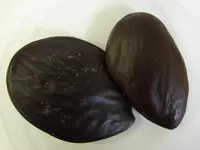
A. za produces large, fleshy fruits with a dry, nutrient‑rich pulp that is heavily used by local communities and wildlife during the long dry season when few other food resources are available.
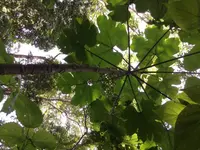
Mature trees often develop a broad, irregular, almost umbrella‑like crown rather than the tight, compact crowns seen in some other baobab species, which helps intercept limited rainfall and sunlight in open, dry habitats.

Adansonia za is one of the dominant large trees in parts of Madagascar’s dry forests and has become a keystone species there, because its hollowing trunks, branches, flowers, and fruits collectively provide shelter, nest sites, food, and microhabitats for a wide range of organisms including birds, bats, reptiles, and invertebrates.
Yes, young trees adapt well to large, deep containers with very free-draining, gritty soil. Root systems are sensitive, so up-pot gradually, avoid frequent repotting, and keep the container in a bright, warm, sheltered position.
Keep your plants happy and healthy with plant identification, disease detection, and easy care guidance.