Tree Tomato Care (Solanum betaceum)

Also known as: Tamarillo, Tomato Tree
Tree Tomato

About Tree Tomato

Tree tomato (Solanum betaceum) is a fast-growing, soft-wooded small tree or bush grown for its colorful, egg-shaped fruit. It belongs to the nightshade family, like tomato and eggplant, but forms a woody framework rather than a sprawling vine.

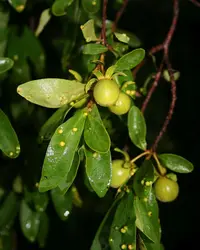
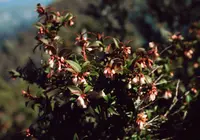
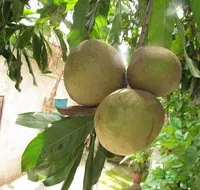
The plant typically has large, soft leaves and bears clusters of fruits in red, orange, or yellow tones, hanging below the branches. It is native to the Andes of South America but is now grown in many mild, frost-free regions.

Tree tomato prefers bright light, moderate moisture, and fertile, well-drained soil. With protection from frost and strong winds, it is relatively straightforward to care for Tree Tomato in suitable climates.

Main Plant Requirements

Care Difficulty

Moderate Care

Light Preference

Full Sun

Water Requirements

Regular Water

Temperature Preference

Tropical / Frost Sensitive

Hardiness Zone

9–11

Soil Texture

Loamy, Sandy, Organic-rich

Soil pH

Acidic (5.5–6.5), Slightly acidic (6.5–7.0)

Soil Drainage

Moist but well-drained

Fertilization

Moderate (every 2–4 weeks)

Get Personalized Care Plan

Scan your plant to receive care tips personalized for your specific plant

Available on iOS and Android

How to Care for the Tree Tomato

This species needs bright outdoor light to flower and fruit well while avoiding harsh extremes.

  • Provide 6–8 hours of direct sun daily, ideally with morning sun and light afternoon shade in hot climates, which suits Tree Tomato best.
  • In cooler coastal or mild regions, full sun all day is acceptable; in hotter inland areas, use filtered light or dappled shade after 1–2 p.m. to prevent leaf scorch.
  • If stems stretch, leaves pale, or flowering declines, the plant is not getting enough light; gradually increase sun exposure over 7–10 days.

Solanum betaceum prefers consistently moist but not saturated soil, especially during active growth.

  • Water when the top 3–5 cm of soil feel dry, applying enough to moisten the root zone, then let excess drain away to avoid standing water.
  • Reduce watering frequency in cooler months, but do not allow soil to dry out completely; slight surface dryness is acceptable while deeper soil stays faintly moist.
  • Watch for yellowing, soft leaves and sour-smelling soil as signs of overwatering, and for drooping, crisp edges, and hard dry soil as signs of underwatering.

This subtropical species grows best in mild, frost-free conditions with moderate warmth.

  • Keep plants in 65–80°F (18–27°C) for strongest growth and flowering; short exposures up to 85°F (29°C) are tolerated if soil moisture is stable.
  • Avoid temperatures below 40°F (4°C); foliage is damaged near this point and light frost can kill young shoots or small plants.
  • In regions with winter drops near freezing, use mulch around roots and site protection from cold winds; avoid hot reflective walls that can push local heat above 90°F (32°C).

This species prefers moderate humidity but usually adapts well to typical indoor air levels.

  • Aim for 40–60% humidity to reduce leaf edge browning and support steady growth of Tree Tomato.
  • It tolerates brief dry air, but persistent levels below 30% may cause curling leaves, dry tips, and slowed growth.
  • Increase humidity locally by grouping plants, placing the pot on a pebble tray with water, or using a small room humidifier.

Solanum betaceum grows best in loose, well-drained, fertile soil that holds moisture without becoming waterlogged.

  • Use a loamy mix with 40–60% organic matter, such as compost or aged manure, blended with garden soil or potting mix.
  • Improve drainage and aeration by adding coarse sand or perlite at 20–30% of the total volume, especially in heavier soils.
  • Keep soil pH slightly acidic to neutral, around 6.0–7.0, for better nutrient availability and healthy root development.
  • Avoid compacted, heavy clay or low-lying spots where water sits after rain, as this encourages root rot and poor vigor.

This species is suitable for container growing if the pot is large, stable, and drains efficiently.

  • Choose a deep, wide container (at least 40–50 cm diameter) to accommodate its fast-growing, woody root system and tall canopy.
  • Use a heavier material such as ceramic or thick plastic to prevent the top-heavy plant from tipping in wind or when fruiting.
  • Raise the container slightly on pot feet or bricks so drainage holes stay clear and excess water exits quickly after watering.

Solanum betaceum responds well to moderate, consistent feeding during active growth for good foliage and fruiting.

  • Use a balanced liquid NPK fertilizer (such as 10-10-10 or 12-12-12) at half strength every 2–4 weeks in spring and summer.
  • Alternatively, apply a slow-release granular fertilizer at the start of the growing season, following label rates.
  • Incorporate mature compost as a surface mulch to support soil life and steady nutrient release.
  • In fall and winter, reduce or stop feeding Tree Tomato, especially in cool, low-light conditions.

Targeted pruning keeps Solanum betaceum compact, productive, and easier to manage.

  • Best time is late winter or early spring before vigorous new growth starts.
  • Remove dead, diseased, crossing, or storm-damaged branches with clean, sharp bypass pruners or loppers.
  • Thin crowded interior shoots to improve light penetration and air flow, which supports flowering and fruit set.
  • Shorten overly long, leggy branches to shape the canopy and maintain a strong framework.

Solanum betaceum benefits from timely transplanting or repotting to support rapid root and shoot growth.

  • Check for roots circling inside the pot, pushing through drainage holes, or for slowed growth as signs it needs a larger container.
  • Plan repotting or outdoor transplanting for spring, once frost risk has passed and temperatures are consistently mild.
  • Move up 1 pot size only, using a free-draining, fertile mix; set the root ball at the same depth as before.
  • Water thoroughly after transplanting, shade from strong sun for a few days, and keep soil evenly moist to limit root stress.

Solanum betaceum is commonly propagated from both seeds and semi-ripe cuttings.

  • For seeds, sow fresh, cleaned seed in spring in a sterile, free-draining mix kept at 70–77°F with bright, indirect light.
  • Lightly cover seeds, keep the substrate just moist, and expect germination in 3–6 weeks depending on temperature.
  • Take 10–15 cm semi-ripe stem cuttings in late spring or summer, removing lower leaves and any flowers or fruit.
  • Insert cuttings into moist, airy mix, optionally use rooting hormone, and maintain high humidity and bottom warmth for best rooting.

Solanum betaceum is frost sensitive and needs protection in climates with cold winters.

  • In ground, add a 5–10 cm layer of organic mulch around the root zone, keeping it slightly away from the trunk.
  • In regions with light frost, wrap the lower stem with horticultural fleece or burlap during cold snaps.
  • For container plants, move pots indoors or into a greenhouse before temperatures approach 32°F.
  • Water sparingly in winter, allowing the top layer of soil to dry between waterings, since growth slows in low temperatures.

Care Tips

Wind-resistant staking

Install 1–2 sturdy stakes on the windward side and loosely tie the main stem and key laterals with soft ties to prevent wind rock and trunk snapping as the canopy becomes heavy with fruit.


Branch training for yield

Select 3–5 strong scaffold branches in the first 1–2 years and remove steep, crowded shoots so the plant forms an open, vase-shaped framework that supports heavy fruit clusters and reduces branch breakage.

Mulch for cool roots

Apply a 5–8 cm layer of organic mulch around but not touching the trunk to keep roots cool, reduce moisture swings, and limit weed competition that can stress this shallow-rooted shrub.

Frost event protection

Before forecast frost, wrap the lower stem with horticultural fleece and cover the canopy with a breathable frost cloth supported on stakes, then remove coverings once temperatures rise above freezing.

Fruit load management

Thin very dense fruit clusters early by removing the smallest or damaged fruits so remaining fruits size up better and branches are less likely to snap under the weight when growing Tree Tomato.

Common Pests and Diseases

Tamarillo mosaic virus

This disease causes mottled, distorted foliage, stunting, and reduced fruit size and yield, especially in young plants. Symptoms include light and dark green mosaic patterns on leaves and sometimes leaf curling.

Solution

Remove and destroy infected plants promptly, as there is no cure for viral infections. Control sap-sucking insects such as aphids that spread the virus, avoid handling plants when foliage is wet, disinfect tools, and use healthy, virus-free planting material when growing Tree Tomato.

Fruit fly infestation

These insects lay eggs under the fruit skin, and larvae tunnel through the pulp, causing internal rotting and premature fruit drop. Symptoms include small puncture marks on fruit, soft spots, and maggots inside when fruit is cut open.

Solution

Collect and destroy infested and fallen fruit, and use fine mesh bags or netting to physically protect developing fruits. In outdoor settings, use baited traps and maintain good orchard hygiene to reduce local fruit fly populations around tamarillo plants.

Phytophthora collar and root rot

This disease causes wilting, yellowing leaves, poor growth, and dark, water-soaked lesions at the base of the stem, often leading to sudden collapse in wet conditions. Symptoms include brown, decayed roots and a cankered area at the collar near soil level.

Solution

Improve drainage, avoid waterlogging, and plant in raised beds or mounds in heavy soils to limit Phytophthora infection. Remove and destroy severely affected plants, avoid piling mulch against the stem, and water at the root zone rather than against the trunk or foliage.

Powdery mildew

This disease appears as white, powdery patches on leaves, stems, and sometimes young fruit, leading to yellowing and premature leaf drop. Symptoms include reduced vigor and poorer fruit development when infections are heavy.

Solution

Improve air circulation by pruning crowded branches and avoiding overhead watering, especially in the evening. Remove heavily infected leaves and, if needed, apply a sulfur-based or potassium bicarbonate spray labeled for edible crops, following label directions carefully.

Whitefly infestation

These insects feed on the undersides of leaves, causing yellowing, leaf drop, and sticky honeydew that can lead to sooty mold growth. This pest can also weaken tamarillo plants and contribute to virus spread.

Solution

Regularly inspect leaf undersides and wash them with a strong stream of water to dislodge adults and nymphs. Use yellow sticky traps to monitor populations, introduce or conserve natural enemies like ladybird beetles, and, if necessary, apply insecticidal soap or horticultural oil to thoroughly coat affected foliage.

Interesting Facts

Andean cloud-forest origin

Solanum betaceum is native to high-elevation Andean regions of Ecuador, Peru, and Bolivia, where it grows in cool, humid cloud-forest and montane environments between roughly 1,500–3,000 m. This origin explains its preference for mild temperatures and intolerance of hard frost.

Rapid juvenile fruiting

Unlike many tree crops, this species can begin flowering and fruiting within 1–2 years from seed under suitable conditions. The relatively short juvenile phase makes it useful for small-scale and home orchards in frost-free, subtropical climates.

Self-fertile but insect-aided

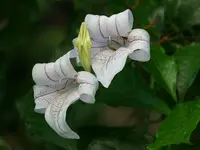
The tree tomato is generally self-fertile, so a single plant can set fruit, but bees and other insects visiting the flowers often increase fruit set and yield. Its hanging, star-shaped flowers produce both nectar and pollen that attract pollinators.

Botan icon

Did you know?

The fruits of Solanum betaceum show marked pigment variation, ranging from orange-red to deep purple and even bi-colored striped forms, because different cultivars accumulate distinct mixtures of carotenoids and anthocyanins, giving breeders considerable scope to develop varieties with varied skin and pulp colors.

FAQs about Tree Tomato

Yellowing leaves often result from nutrient deficiency, especially nitrogen or magnesium, or from water stress and poor drainage. Check for compacted soil, adjust watering, and consider a balanced fertilizer to restore healthy foliage over time.

Grow Healthy Plants with Botan Care

Keep your plants happy and healthy with plant identification, disease detection, and easy care guidance.

Botan plant care app — identify plants on mobile

Explore More Plants