Anthocleista djalonensis Care

Anthocleista djalonensis

About Anthocleista djalonensis

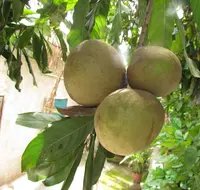
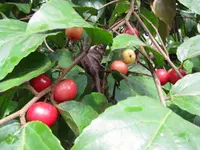
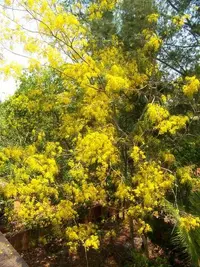
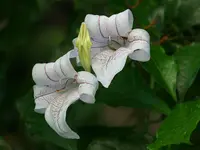
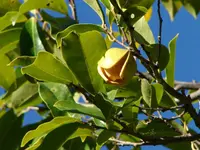
Anthocleista djalonensis is a tropical tree species native to West and Central Africa, often found in moist lowland forests, riverbanks, and secondary woodland. It can grow into a small to medium tree with a straight trunk, simple opposite leaves, and clusters of tubular white flowers followed by fleshy fruits.

The species is adapted to warm, humid climates and prefers consistently moist, well-drained soil. It is not a typical houseplant and can be challenging outside its native climate, so how to care for Anthocleista djalonensis depends strongly on providing stable warmth, high humidity, and protection from cold or prolonged drought.

Main Plant Requirements

Care Difficulty

Moderate Care

Light Preference

Partial Shade

Water Requirements

Keep Soil Moist

Temperature Preference

Tropical / Frost Sensitive

Hardiness Zone

12–13

Soil Texture

Loamy, Silty, Organic-rich

Soil pH

Acidic (5.5–6.5), Slightly acidic (6.5–7.0)

Soil Drainage

Moist but well-drained

Fertilization

Minimal (feed rarely)

Get Personalized Care Plan

Scan your plant to receive care tips personalized for your specific plant

Available on iOS and Android

How to Care for the Anthocleista djalonensis

This tropical tree prefers bright, indirect light with some protection from harsh midday sun.

  • Provide 4–6 hours of gentle morning sun with dappled or filtered light from late morning to afternoon for Anthocleista djalonensis.
  • Tolerates light partial shade, but growth becomes sparse and leaves smaller if it receives less than 3–4 hours of bright conditions daily.
  • In very hot summers, shift exposure to more filtered light to prevent leaf scorch, while in cooler seasons allow a bit more direct morning sun to support growth.

This species favors consistently moist, but not waterlogged, soil.

  • Water when the top 2–4 cm of soil feels just barely dry, aiming to keep deeper layers evenly moist, especially during active warm-season growth.
  • Use deep watering that soaks the root zone, then allow excess to drain away freely; poorly drained or compacted soil increases risk of root rot and sour smells.
  • In cooler or dry-dormant periods, reduce frequency but do not let the soil fully dry; wilting, dull leaves signal underwatering, while yellowing, soft leaves suggest overwatering.

This plant thrives in warm, stable tropical to subtropical temperatures without frost exposure.

  • Ideal growth occurs around 70–85°F (21–29°C), with steady warmth supporting larger leaves and stronger shoots.
  • Avoid temperatures below 55°F (13°C); brief dips near this level slow growth, while exposure near 40°F (4°C) or any frost can cause severe leaf damage or death.
  • Tolerates short hot spells up to about 95°F (35°C) if soil moisture is maintained and the site has some shade during the hottest afternoon hours.

This species prefers warm, moderately humid air and reacts quickly to very dry conditions.

  • Aim for 50–70% humidity to keep young foliage expanding evenly and reduce leaf-edge browning.
  • Tolerates short dips to 35–40%, but prolonged dry air causes crisp tips, dull leaves, and slowed growth.
  • Increase humidity with a wide pebble tray under the pot or a nearby room humidifier rather than misting the foliage.

This species grows best in deep, moisture-retentive yet aerated soil that never becomes stagnant.

  • Use a loose loam rich in organic matter, such as 50% composted bark or leaf mold, 30% peat-free compost, and 20% perlite.
  • Ensure steady moisture with slow drainage, but avoid waterlogged conditions that encourage root rot and poor oxygen supply.
  • A slightly acidic to neutral pH around 6.0–7.0 supports nutrient uptake and balanced growth.
  • For reliable Anthocleista djalonensis care instructions, avoid heavy clay; lighten it with coarse sand and extra perlite for aeration.

This tree can be grown in large containers when space or climate limits in-ground planting.

  • Choose a deep, heavy pot so the tall, upright canopy remains stable in wind and does not tip easily.
  • Use a container mix that drains freely but holds moisture, then elevate the pot so drainage holes are never blocked.
  • Select light-colored containers in hot climates to reduce root-zone overheating and moisture loss from sun-exposed sides.

Native to nutrient-poor soils, Anthocleista djalonensis needs only modest, carefully controlled feeding in cultivation.

  • Use a balanced, diluted liquid fertilizer (around 10-10-10 NPK at 1/4–1/2 strength) for container-grown plants.
  • Feed every 4–6 weeks during the warm growing season when active growth is visible.
  • Skip or greatly reduce feeding in winter or any cool, low-light resting period.
  • Optionally incorporate a thin layer of well-rotted compost or a mild slow-release fertilizer into the topsoil in spring.

Pruning Anthocleista djalonensis is usually light and aims to maintain a healthy, single-stemmed tree form.

  • Carry out structural pruning at the end of the dry season or late winter before vigorous growth resumes.
  • Remove dead, diseased, crossing, or storm-damaged branches with clean, sharp bypass pruners or a pruning saw.
  • Shorten or thin crowded interior shoots to improve light penetration and airflow in the canopy.
  • Avoid heavy topping; instead, make selective cuts back to a branch junction to guide height and crown shape.

This species is most often grown in the ground, so focus on careful transplanting of young Anthocleista djalonensis rather than frequent repotting.

  • Transplant or move young plants at the start of the rainy season or mild spring, when soil moisture is stable.
  • Look for circling roots, roots emerging from drainage holes, or stalled growth as signals a container plant needs more space.
  • Shift into a container 1–2 sizes larger or a well-prepared ground site with deep, loose, organically enriched soil.
  • Minimize root stress by watering thoroughly before and after moving, handling the root ball gently, and shading the plant for several days.

Propagation of Anthocleista djalonensis is typically done from seed and is considered slow and specialist work.

  • Collect ripe seed from mature fruits, clean off pulp, and sow soon after harvest for best viability.
  • Sow in a sterile, well-drained seed mix at warm, stable temperatures around 75–82°F with high humidity.
  • Provide bright, indirect light and keep the medium evenly moist but never waterlogged during the long germination period.
  • Once seedlings develop several true leaves, pot them on carefully, avoiding root disturbance and strong direct sun.

This tropical tree is not frost hardy and needs careful winter management in climates with cool or freezing conditions.

  • In regions below about 55°F in winter, grow in large containers that can be moved indoors or into a heated greenhouse.
  • Maintain indoor temperatures ideally above 60°F with bright, indirect light and reduced but consistent watering.
  • In marginal outdoor climates without frost, apply a 5–8 cm organic mulch layer to stabilize root-zone temperature and conserve moisture.

Care Tips

Early leader training

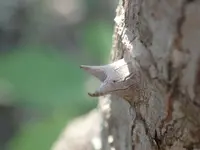
Select a single strong central stem while the plant is young and lightly stake it upright so the future tree develops a straight, stable trunk rather than multiple weak leaders.

Wind acclimation

If moving a container-grown plant outdoors, gradually expose it to increasing wind over 7–10 days so the trunk and petioles strengthen and are less likely to snap during storms.

Root-zone mulching

Apply a 5–8 cm layer of coarse organic mulch around but not touching the trunk to buffer soil temperature, reduce surface compaction, and protect shallow feeder roots from drying out.

Salt-stress management

In areas with hard or saline water, periodically flush the container or planting zone with low-salt water until it drains freely to prevent salt buildup that can burn sensitive roots and leaf margins.

Preventive pest scouting

Inspect new leaves and shoot tips every 1–2 weeks for scale, mealybugs, or leaf miners, and treat small infestations early with targeted methods to maintain stable health when caring for Anthocleista djalonensis.

Common Pests and Diseases

Scale insects

This pest feeds on sap along young stems and leaf veins, often appearing as small brown or gray bumps that can cause yellowing and leaf drop. Symptoms include sticky honeydew on leaves and nearby surfaces, which can attract sooty mold growth.

Solution

Wipe affected stems and leaves with a cloth or cotton pad dipped in a mild insecticidal soap solution or diluted isopropyl alcohol, repeating weekly until no new scales appear. For heavier infestations on outdoor plants, prune heavily infested twigs and encourage natural enemies such as lady beetles by avoiding broad-spectrum insecticides.

Leaf spot

This disease produces irregular brown or dark purple lesions on the foliage, sometimes with a yellow halo and a thin papery center. Symptoms include premature leaf drop when many spots coalesce on a leaf.

Solution

Remove and dispose of affected leaves promptly to reduce inoculum, and avoid overhead watering so foliage dries quickly. Improve air circulation around the plant and, in persistent outdoor cases, apply a copper-based fungicide according to label directions during warm, humid periods.

Whiteflies

These insects congregate on the undersides of leaves, where they suck sap and cause gradual yellowing, curling, and general decline of the foliage. Symptoms include a light cloud of tiny white insects flying up when the plant is disturbed, along with honeydew deposits.

Solution

Regularly inspect leaf undersides and dislodge adults and nymphs with a strong stream of water, then use insecticidal soap or a horticultural oil spray, ensuring thorough coverage. Yellow sticky traps placed near the canopy help monitor and reduce adult populations, especially in Anthocleista djalonensis indoor care situations.

Mealybugs

This pest appears as white, cottony masses in leaf axils, along stems, and on young roots, where it feeds on plant sap and weakens new growth. Symptoms include distorted new leaves, sticky honeydew, and in severe cases stunting of the plant.

Solution

Isolate affected plants if possible and remove visible mealybugs with a cotton swab dipped in diluted alcohol, then follow up with repeated applications of insecticidal soap or horticultural oil every 7–10 days. Check root systems of container plants and trim out heavily infested roots before repotting into fresh, clean substrate.

Interesting Facts

West African rainforest tree

This species is native to humid lowland forests and forest edges of West Africa, where it grows as a small to medium-sized tree in secondary and disturbed forest habitats.

Distinctive opposite leaves

The tree has characteristically opposite leaves with short petioles and an entire margin, forming a regular, paired pattern along the stems that helps distinguish it from several related Anthocleista species.

Part of gentian family

Anthocleista djalonensis belongs to the Gentianaceae, a family better known for herbaceous gentians, making it one of the relatively uncommon woody, tree-form members of this mostly herbaceous group.

FAQs about Anthocleista djalonensis

Growth is moderately fast in warm, humid conditions, especially during rainy seasons. Young trees can add 30–60 cm per year, slowing as they mature. Poor soil, cool temperatures, or drought noticeably reduce growth rate.

Grow Healthy Plants with Botan Care

Keep your plants happy and healthy with plant identification, disease detection, and easy care guidance.

Botan plant care app — identify plants on mobile

Explore More Plants